
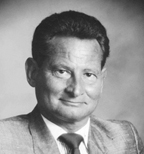
Who is Dr. Bryson, Internist in San Francisco, CA?
Where did Dr. Bryson go to medical school and complete their residency?
Residency: St Mary'S Hosp Med Ctr, Internal Medicine | St Mary's Hospital and Medical Center Program
Medical School: University of Southern Ca Sch of Med, Los Angeles Ca | Keck School of Medicine of the University of Southern California
What languages does Dr. Bryson speak?
Dr. Bryson and their clinical team can communicate with patients in the following languages:
- English
- French
- Spanish
What conditions does an Internist like Dr. Bryson typically treat?
As an Internist, conditions treated by Dr. Lawrence Bryson may include:
Please contact Dr. Bryson's office directly to confirm care for your specific condition, for more information, or to schedule a consultation.
What procedures does an Internist like Dr. Bryson typically perform?
As an Internist, procedures performed by Dr. Lawrence Bryson may include:
- Ambulatory Care Consultation
- Annual Check Up
- Annual Physical
- Aromatherapy
- Bladder and Bowel Management
- Blood Pressure Testing
- Bowel and Bladder Management
- Certified Medical Examination for Commercial Driver / Vessel Master
Please contact Dr. Bryson's office directly to confirm care for your specific procedure, for more information, or to schedule a consultation.
Does Dr. Bryson accept my insurance?
Please contact Dr. Bryson's office to confirm accepted insurance plans.
Where is Dr. Bryson's office located?
Dr. Lawrence Bryson's Primary Practice
450 Sutter St Rm 1723
San Francisco, CA 94108
(415) 362-7177
What is Dr. Bryson's NPI number?A National Provider Identifier (NPI) is a unique ID number that identifies doctors and healthcare providers nationwide.
Dr. Bryson's National Provider Identifier (NPI) number is 1396833539.
What common questions do patients ask about Dr. Bryson?
Here are answers to patients Frequently Asked Questions (FAQ’s) about Dr. Bryson
What is Dr. Lawrence Bryson's specialty?
What does an Internist do?
A physician who provides long-term, comprehensive care in the office and the hospital, managing both common and complex illness of adolescents, adults and the elderly. Internists are trained in the diagnosis and treatment of cancer, infections and diseases affecting the heart, blood, kidneys, joints and digestive, respiratory and vascular systems. They are also trained in the essentials of primary care internal medicine, which incorporates an understanding of disease prevention, wellness, substance abuse, mental health and effective treatment of common problems of the eyes, ears, skin, nervous system and reproductive organs.