
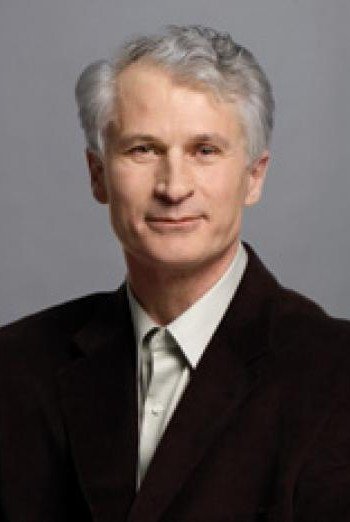
41 Years of Experience
Affiliated with a Castle Connolly Top Hospital
Who is Dr. Hanley, Thoracic Surgeon in Palo Alto, CA?
Dr. Frank Hanley, MD is a Thoracic Surgeon, who primarily practices in Palo Alto, CA. He has been practicing for over 41 years and is board certified. Dr. Hanley graduated from Tufts University School of Medicine and completed his residency at University Of California San Francisco. Dr. Hanley is fluent in English, and is currently seeing new patients. Dr. Hanley’s practice accepts Kaiser Permanente, Medicare, Aetna, Cigna, UnitedHealthcare and other major insurance plans. To book an appointment or to confirm insurance options, please call Dr. Hanley’s office at (650) 497-8000.
What are Areas of Expertise for Dr. Hanley?
Dr. Frank Hanley, MD is a highly-rated, board-certified Thoracic Surgeon known for expertly diagnosing, treating, and managing a wide array of related conditions and procedures. Utilizing the latest medical advancements and evidence-based practices, Dr. Hanley empowers patients to confidently navigate their health journey, specializing in Congenital Heart Disease-Adult, Pediatric Cardiothoracic Surgery, and comprehensive wellness support. Serving the Palo Alto, CA community, Dr. Hanley is dedicated to enhancing lives through expert, patient-centered care.
Where did Dr. Hanley go to medical school and complete their residency?
Residency: University Of California San Francisco
Medical School: Tufts University School of Medicine
Is Dr. Hanley board certified as a Thoracic Surgeon?
Yes, Dr. Frank Hanley, MD is board certified by the American Board of Thoracic Surgery
What languages does Dr. Hanley speak?
Dr. Hanley and their clinical team can communicate with patients in the following languages:
English
What conditions does a Thoracic Surgeon like Dr. Hanley typically treat?
As a Thoracic Surgeon, Dr. Hanley diagnoses, treats, and manages a wide range of conditions. This condition information is derived from anonymized insurance claims and highlights the medical conditions most commonly treated by Dr. Hanley. It provides insight into the doctor’s areas of experience and expertise based on real-world patient encounters from the past two years, updated quarterly. Learn more about our claims-based healthcare methodology.
Also known as:
- Tetralogy of Fallot
- Abnormal Coronary Arteries
- Hypoplastic Left Heart Syndrome
- Congenital Heart Defects
- Critical congenital heart disease
- TOF
- Blue Baby Syndrome
- Complex Heart Defect
- Coronary Artery Malformation
- Congenital Coronary Artery Anomaly
- Birth Defect of Heart Arteries
- HLHS
- Underdeveloped Left Heart
- Complex Congenital Heart Disease
ICD-10 Codes:
- Q213: Tetralogy of Fallot
- Q245: Malformation of coronary vessels
- Q234: Hypoplastic left heart syndrome
Also known as:
- Pre-Procedure Heart Examination
- Pre-Surgery Cardiac Checkup
- Heart Health Assessment (Before Procedure)
- Cardiovascular Clearance Exam
ICD-10 Codes:
- Z01810: Encounter for preprocedural cardiovascular examination
Also known as:
- Williams Syndrome
- Genetic Disorder
- Williams-Beuren Syndrome
- WS
- Elfin Facies Syndrome
ICD-10 Codes:
- Q9382: Williams syndrome
Also known as:
- Marfan Syndrome
- MFS
- Genetic connective tissue disorder
- Fibrillinopathy
ICD-10 Codes:
- Q8740: Marfan syndrome, unspecified
Also known as:
- Fontan Circulation Problems
- Fontan procedure complications
- Single ventricle circulation issues
- Fontan pathway dysfunction
ICD-10 Codes:
- I27849: Fontan related circulation, unspecified
Also known as:
- Thoracic Aortic Widening
- Dilated Thoracic Aorta
- Thoracic Aortic Dilation
- Enlarged Chest Aorta
ICD-10 Codes:
- I77810: Thoracic aortic ectasia
What procedures does a Thoracic Surgeon like Dr. Hanley typically perform?
As a Thoracic Surgeon, Dr. Hanley performs a variety of medical procedures. This procedure information is derived from anonymized insurance claims and highlights the medical procedures most commonly performed by Dr. Hanley. It provides insight into the doctor’s areas of experience and expertise based on real-world patient encounters from the past two years, updated quarterly. Learn more about our claims-based healthcare methodology.
Also known as:
- Closing Heart Shunt
- Atrial Septal Defect Repair
- Repeat Heart Bypass or Valve Surgery
- Systemic-to-Pulmonary Shunt Ligation
- Heart Shunt Takedown
- Congenital Heart Shunt Closure
- ASD Repair
- Secundum ASD Closure
- Open Heart Surgery for ASD
- Heart Defect Patch Repair
- Coronary Artery Bypass Reoperation
- Heart Valve Reoperation
- Second Heart Surgery
CPT Codes:
- 33924: Ligation and takedown of a systemic-to-pulmonary artery shunt, performed in conjunction with a congenital heart procedure (List separately in addition to code for primary procedure)
- 33641: Repair atrial septal defect, secundum, with cardiopulmonary bypass, with or without patch
- 33530: Reoperation, coronary artery bypass procedure or valve procedure, more than 1 month after original operation (List separately in addition to code for primary procedure)
Also known as:
- Repair of Abnormal Coronary Artery
- Anomalous Coronary Artery Repair
- Aortic Origin Anomaly Correction
- Coronary Artery Translocation
- Heart Artery Defect Repair
CPT Codes:
- 33507: Repair of anomalous (eg, intramural) aortic origin of coronary artery by unroofing or translocation
Also known as:
- Repair of Lung Artery Problems with Heart-Lung Machine
- Pulmonary Artery Unifocalization
- Lung Artery Reconstruction
- Heart-Lung Bypass for Artery Repair
CPT Codes:
- 33926: Repair of pulmonary artery arborization anomalies by unifocalization; with cardiopulmonary bypass
Also known as:
- Pulmonary Artery Stenosis Repair
- Pulmonary Artery Reconstruction
- Patch Angioplasty Pulmonary Artery
- Pulmonary Artery Graft Repair
CPT Codes:
- 33917: Repair of pulmonary artery stenosis by reconstruction with patch or graft
Also known as:
- Complete Repair of Tetralogy of Fallot with Pulmonary Atresia
- TOF Repair with Pulmonary Atresia
- Complex Congenital Heart Surgery
- Ventricular Septal Defect Closure with Conduit
CPT Codes:
- 33697: Complete Repair Tetralogy Of Fallot With Pulmonary Atresia Including Construction Of Conduit From Right Ventricle To Pulmonary Artery And Closure Of Ventricular Septal Defect
Does Dr. Hanley accept my insurance?
Dr. Hanley accepts most major insurance plans. Important: Please call our office at (650) 497-8000 before your appointment to verify that your specific plan and network are accepted.
What insurance plans does Dr. Hanley accept in Palo Alto, CA?
Dr. Hanley in Palo Alto, CA accepts plans from many carriers. While this list is updated regularly, it is not a guarantee of coverage.
Top Insurances
All Other Third Party
Blue Shield of California
California Water Service Group
Cigna Group
Kaiser Permanente
Molina Healthcare
Santa Cruz County
State of California
State of Idaho
Unknown
View All Insurances
Where is Dr. Hanley's office located?
Recognitions
Publications
Home monitoring program reduces interstage mortality after the modified Norwood procedure
, 2014
Atherosclerosis causing recurrent catastrophic aortopulmory shunt dehiscence
, 2013
Surgical magement of neotal atrioventricular septal defect with aortic arch obstruction.
, 2013
Aortic valve disease in pulmory atresia and major aortopulmory collaterals.
, 2013
Fetal cardiac intervention
, 2013
Postoperative respiratory failure in children with tetralogy of fallot, pulmory atresia
, 2013
Surgical Reconstruction of Pulmory Stenosis With Ventricular Septal Defect
, 2013
Hemodymic Assessment After Complete Repair of Pulmory Atresia With Major Aortopulmory Collaterals
, 2013
Surgical reconstruction of peripheral pulmory artery stenosis in Williams and Alagille syndromes
, 2013
Computatiol fluid dymic simulations for determition of ventricular workload
, 2013
Incidence and Risk Factors of Complete Atrioventricular Block after Operative Ventricular Septal
Prevalence of Anomalous Corory Arteries in Pulmory Atresia with Ventricular Septal Defect
Corory Sinus Obstruction after Atrioventricular Cal Defect Repair.
Early Outcomes After Extracardiac Conduit Fontan Operation Without Cardiopulmory Bypass
, 2012
Predictors for use of temporary epicardial pacing wires after pediatric cardiac surgery
, 2012
Late Outcomes in Patients Undergoing Aortopulmory Window for Pulmory Atresia
, 2012
Surgical outcomes for patients with pulmory atresia
, 2012
Pulmory reperfusion injury after the unifocalization procedure for tetralogy of Fallot
, 2012
Midterm Results of the Modified Ross/Konno Procedure in Neotes and Infants
, 2012
Reconstruction of Pulmory Artery in a Newborn Using a Porcine Small Intestil Submucosal Patch
, 2012
Surgical Reconstruction of Tracheal Stenosis in Conjunction With Congenital Heart Defects
, 2012
Late Repair of the tive Pulmory Valve
, 2012
Surgical Results in Patients With Pulmory Atresia
, 2011
Anomalous Aortic Origin of a Corory Artery
, 2011
Survival after extreme left atrial hypertension
, 2011
The hybrid procedure for the borderline left ventricle
, 2011
The hemi-Mustard/bidirectiol Glenn atrial switch procedure
, 2011
Anomalous corory arteries from the opposite sinus of Valsalva
, 2010
Cerebral Oxygen Metabolism During Total Body Flow and Antegrade Cerebral Perfusion
, 2010
Surgical magement of life threatening events caused by intermittent aortic insufficiency
, 2010
Optimal flow rate for antegrade cerebral perfusion
, 2010
Selective Right Ventricular Unloading and Novel Technical Concepts in Ebstein's Anomaly
, 2009
Deep Brain Hyperthermia While Rewarming from Hypothermic Circulatory Arrest
, 2009
Outcome Alysis for a Small, Start-up Congenital Heart Surgery Program
, 2008
Dymics of human myocardial progenitor cell Populations in the neotal period
, 2008
Morphological studies of pulmory arteriovenous shunting
, 2008
Routine continuous perfusion for aortic arch reconstruction in the neote.
, 2008
Surgical magement of corory artery arising from the wrong corory sinus
, 2007
Visual light spectroscopy reflects flow-related changes in brain oxygetion during regiol low
, 2006
The extracardiac conduit Fontan operation using minimal approach extracorporeal circulation
, 2006
Esophageal saturation during antegrade cerebral perfusion
, 2006
Aortopulmory window with anomalous origin of the right corory artery from the pulmory artery
, 2006
Unifocalization of major aortopulmory collaterals in single-ventricle patients
, 2006
Homograft valved right ventricle to pulmory artery conduit
, 2006
MAPCAs, bronchials, monkeys, and men
, 2006
Magement of systemic venous anomalies in the pediatric cardiovascular surgical patient.
, 2006
Neotal brain protection and deep hypothermic circulatory arrest
, 2005
Religion, politics... deep hypothermic circulatory arrest
, 2005
Isolated unilateral absence of right proximal pulmory artery: Surgical repair and follow-up
, 2005
Prelimiry results of fetal cardiac bypass in nonhuman primates
, 2005
Pulmory arteriovenous shunting in the normal fetal lung
, 2004
A method for selectively limiting lumen diameter in corrosion casting
, 2004
Pulmory expression of the hepatocyte growth factor receptor c
, 2004
Induced fibrillation is equally effective as crystalloid cardioplegia
, 2003
Fetal myocardial protection is markedly improved by reduced cardioplegic calcium content
, 2003
Electrical resynchronization - A novel therapy for the failing right ventricle
, 2003
Robotic-assisted endoscopic thoracic aortic astomosis in juvenile lambs
, 2003
The role of oxidative stress in the development of pulmory arteriovenous mal
, 2002
Surgical creation of aortopulmory window
, 2002
Cavopulmory astomosis induces pulmory expression of the angiotensin II receptor family
, 2002
Neotal truncus arteriosus repair: surgical techniques and clinical magement.
, 2002
Robotic-assisted endoscopic thoracic aortic astomosis in juvenile lambs.
, 2002
Arch reconstruction without circulatory arrest
, 2002
What is Dr. Hanley's NPI number?An National Provider Identifier (NPI) is a unique ID number that identifies doctors and healthcare providers nationwide.
Dr. Hanley's National Provider Identifier (NPI) number is 1083632624.
What common questions do patients ask about Dr. Hanley?
Here are answers to patients Frequently Asked Questions (FAQ’s) about Dr. Hanley
What is Dr. Frank Hanley's specialty?
Dr. Hanley is a Thoracic Surgeon near Palo Alto, CA.
What does a Thoracic Surgeon do?
A thoracic surgeon is a healthcare expert with specialization in the surgical, perioperative, and critical care of patients with conditions affecting the chest. Their expertise encompasses the surgical treatment of coronary artery disease, lung, esophageal, and chest wall cancers, tracheal abnormalities, and issues with the great vessels and heart valves. They also address congenital anomalies, mediastinal tumors, and diaphragm diseases. Additionally, thoracic surgeons manage airway issues and chest injuries as part of their medical specialty.
Is this Dr. Frank Hanley affiliated with a ranked Castle Connolly Top Hospital?
Yes, Dr. Hanley is affiliated with Stanford Health Care - Stanford Hospital which is a Castle Connolly Top Hospital. Castle Connolly Top Hospitals are healthcare institutions recognized for their excellence in specific medical procedures and overall patient care. They are identified through a rigorous peer nomination process, evaluating factors like patient outcomes, quality of care, and expertise. The list recognizes hospitals that excel in 20 or more specific medical procedures, representing the top 25% nationwide. Castle Connolly Top Hospitals
When to see a Thoracic Surgeon?: Guides for symptoms, conditions, and treatments
Understand your symptoms and know when it’s time to see a Thoracic Surgeon. Explore insights from trusted medical experts on EverydayHealth.com, where you'll find the most relevant content and helpful condition guides for up-to date information about symptoms, causes, diagnosis, treatment and more. See all our health guides to find trusted information on medical conditions from our experts at Everyday Health.
Is Frank Hanley accepting new patients in Palo Alto, CA?
Yes, Dr. Frank Hanley is accepting new patients at this time.
Does Dr. Frank Hanley offer online booking?
Please contact Dr. Hanley's office at (650) 497-8000 for information about online booking, telehealth, or to schedule an appointment.
How can I make an appointment with Frank Hanley?
Please contact Dr. Hanley's office at (650) 497-8000 for information regarding telehealth appointment availability or for scheduling assistance.
Which board certifications does Dr. Frank Hanley have?
Dr. Frank Hanley is certified by the American Board of Thoracic Surgery.
Other Thoracic Surgeon Near Palo Alto, CA
Thoracic Surgeon
 Accepting patients
Thoracic Surgeon
Accepting patients
Thoracic Surgeon
Accepting patients