

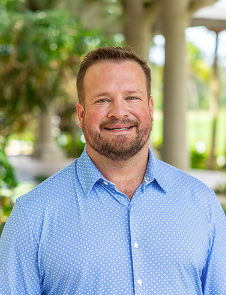
Who is Dr. Norman, Psychiatrist in San Antonio, TX?
Dr. Norman presents options he believes will be beneficial while thoroughly explaining both the potential benefits and risks. He shares information openly, helping patients understand treatments like TMS by drawing on real examples from his own clinical experience. He views treatment as a shared journey, with himself as a guide walking alongside patients rather than dictating their path. His philosophy is grounded in hope and possibility.
Dr. Norman genuinely believes in the treatments Serenity offers and has witnessed firsthand the transformative impact they can have. He works to convey this hope to patients, helping them see that there are real, effective options available to help them reclaim their lives.
Outside the clinic, Dr. Norman is devoted to his family. He and his wife have four children who keep their lives full and joyful. Family time is sacred in the Norman household, with intentional traditions that anchor their weeks. On the weekends when they're free from other commitments, the family gathers for game or movie nights. These consistent rituals create space for connection and fun amidst busy schedules.
Dr. Norman is an enthusiastic reader, though he admits time is limited with four kids. He's adapted by embracing audiobooks, allowing him to continue enjoying literature while managing family and professional responsibilities. He's also a passionate sports fan who played sports throughout his youth. As a proud Arkansas native, he's a devoted Razorbacks fan and loves the college football season.
Dr. Norman's greatest hope is that patients feel truly heard and supported from their very first visit. He understands that opening up about mental health struggles is vulnerable work, and he approaches each conversation with respect for the courage it takes to be present. Patients can expect a provider who listens more than he talks, who values their input in treatment decisions, and who genuinely believes in their capacity for healing.
Dr. Norman brings both clinical expertise and real hope, grounded in the positive outcomes he's witnessed throughout his career. His collaborative approach ensures that treatment plans reflect not just clinical best practices, but also each patient's unique needs, concerns, and goals.
 Website

Castle Connolly Top Doctor
Castle Connolly Top Doctors are doctor-nominated and selected by a physician-led research team.
What are Areas of Expertise for Dr. Norman?
Dr. Andrew Norman, DO is a highly-rated, board-certified Psychiatrist known for expertly diagnosing, treating, and managing a wide array of related conditions and procedures. Utilizing the latest medical advancements and evidence-based practices, Dr. Norman empowers patients to confidently navigate their health journey, specializing in ADHD, Anxiety Disorders, Bipolar/Mood Disorders, Depression, Ketamine, TMS, and comprehensive wellness support. Serving the San Antonio, TX community, Dr. Norman is dedicated to enhancing lives through expert, patient-centered care.
What languages does Dr. Norman speak?
Dr. Norman and their clinical team can communicate with patients in the following languages:
- English
What conditions does a Psychiatrist like Dr. Norman typically treat?
As a Psychiatrist, Dr. Norman diagnoses, treats, and manages a wide range of conditions. This condition information is derived from anonymized insurance claims and highlights the medical conditions most commonly treated by Dr. Norman. It provides insight into the doctor’s areas of experience and expertise based on real-world patient encounters from the past two years, updated quarterly. Learn more about our claims-based healthcare methodology.
Also known as:
- Severe Depression (Single Episode)
- Recurrent Severe Depression
- Moderate Recurrent Major Depression
- Depression
- Severe major depression
- Severe depressive episode
- Clinical depression
- Chronic severe depression
- Repeated severe depressive episodes
- Moderate chronic depression
- Moderate recurring depression
- Moderate depressive episodes
ICD-10 Codes:
- F322: Major depressive disorder, single episode, severe without psychotic features
- F332: Major depressive disorder, recurrent severe without psychotic features
- F331: Major depressive disorder, recurrent, moderate
Also known as:
- ADHD, Predominantly Inattentive Type
- Attention Deficit Hyperactivity Disorder
- Attention-deficit/hyperactivity disorder
- ADD
- Inattentive ADHD
ICD-10 Codes:
- F900: Attention-deficit hyperactivity disorder, predominantly inattentive type
Also known as:
- Generalized Anxiety Disorder
- Anxiety
- GAD
- Chronic Worry
- Excessive Worry Disorder
ICD-10 Codes:
- F411: Generalized anxiety disorder
Does Dr. Norman accept my insurance?
Dr. Norman accepts most major insurance plans. Important: Please call our office at (726) 201-0353 before your appointment to verify that your specific plan and network are accepted.
What insurance plans does Dr. Norman accept in San Antonio, TX?
Dr. Norman in San Antonio, TX accepts plans from many carriers. While this list is updated regularly, it is not a guarantee of coverage.
Top Insurances
Centene Corporation
Cigna Group
ComPsych
CVS Health (formerly Aetna)
Elevance Health Inc. (formerly Anthem)
Federal government of the United States
Health Care Service Corporation
Premier
UMR Administered Payer
UnitedHealth Group
View All Insurances
Where is Dr. Norman's office located?

Serenity Mental Health Centers
18615 Tuscany Stone Drive, Suite 250
San Antonio, TX 78258
(726) 201-0353
What is Dr. Norman's NPI number?A National Provider Identifier (NPI) is a unique ID number that identifies doctors and healthcare providers nationwide.
Dr. Norman's National Provider Identifier (NPI) number is 1174943039.
What common questions do patients ask about Dr. Norman?
Here are answers to patients Frequently Asked Questions (FAQ’s) about Dr. Norman
What is Dr. Andrew Norman's specialty?
What does a Psychiatrist do?
A Psychiatrist specializes in the prevention, diagnosis, and treatment of mental disorders, emotional disorders, psychotic disorders, mood disorders, anxiety disorders, substance-related disorders, sexual and gender identity disorders and adjustment disorders. Biologic, psychological, and social components of illnesses are explored and understood in treatment of the whole person. Tools used may include diagnostic laboratory tests, prescribed medications, evaluation and treatment of psychological and interpersonal problems with individuals and families, and intervention for coping with stress, crises, and other problems.