
EverydayHealthLogo
enhanced-tag
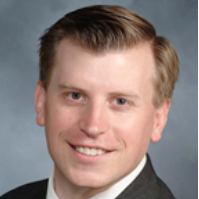
Dr. David Otterburn, MD

Dr. David Otterburn, MD

New York, NY

Accepting patients

Affiliated with a Castle Connolly Top Hospital

    Who is Dr. Otterburn, Plastic Surgeon in New York, NY?

    A board-certified plastic surgeon, Dr. Otterburn has received numerous honors and awards in academics, teaching and research. He received his B.A. in political science with honors from Rutgers University while entering into the BA/MD program at Robert Wood Johnson Medical School. After completing his general surgery residency at Thomas Jefferson University Hospital, plastic surgery residency at Emory University and microsurgery fellowship at New York University Medical Center, he joined the faculty at Weill Cornell Medicine in 2011. He served as Associate Program Director for 8 years before assuming the Directorship since 2019. His research interests include outcomes research in breast reconstruction, orthoplastics, neuroplastics, wound healing and peripheral nerve reconstruction.David Otterburn, MD, FACS, is a Professor of Surgery in the Division of Plastic and Reconstructive Surgery in the Department of Surgery at Weill Cornell Medical College. He is an Attending Surgeon at NewYork-Presbyterian Hospital/Weill Cornell Medical Center and is the Program Director for the Weill Cornell Medicine and Columbia University Medical Center Combined Plastic Surgery Residency Program of NYPH.

    What are Areas of Expertise for Dr. Otterburn?

    Dr. David Otterburn, MD is a highly-rated, board-certified Plastic Surgeon known for expertly diagnosing, treating, and managing a wide array of related conditions or procedures. Utilizing the latest medical advancements and evidence-based practices, Dr. Otterburn empowers patients to confidently navigate their health journey, specializing in Breast Cosmetic & Reconstructive Surgery, Facial Plastic & Reconstructive Surgery, Liposuction & Body Contouring, Oculoplastic Surgery, or comprehensive wellness support. Serving the New York/NY community, Dr. Otterburn is dedicated to enhancing lives through expert, patient-centered care.

    Where did Dr. Otterburn go to medical school and complete their residency?

    • Residency: Thos Jefferson Univ Hosp, General Surgery; Cooper Hosp/Univ Med Ctr, General Surgery

    • Medical School: University of Medicine And Dentistry of New Jersey / Robert Wood Johns | University of Medicineicine And Dentistry of New Jersey / Robert Wood Johnson Medicine

    Is Dr. Otterburn board certified as a Plastic Surgeon?

    Yes, Dr. David Otterburn, MD is board certified by the American Board of Surgery

    What languages does Dr. Otterburn speak?

    Dr. Otterburn and their clinical team can communicate with patients in the following languages:

    • English

    • Spanish

    What conditions does Dr. Otterburn treat?

    As a Plastic Surgeon, Dr. Otterburn diagnoses, treats, and manages a wide range of conditions. This condition information is derived from anonymized insurance claims and highlights the medical conditions most commonly treated by Dr. Otterburn. It provides insight into the doctor’s areas of experience and expertise based on real-world patient encounters from the past two years, updated quarterly.

    Also known as:

    • Plastic and Cosmetic Surgery
    • Reconstructive Surgery
    • Cosmetic Procedures
    • Aesthetic Surgery
    • Body Enhancement Surgery

    ICD-10 Codes:

    • Z428: Encounter for other plastic and reconstructive surgery following medical procedure or healed injury

    Also known as:

    • Other Post-Surgery Condition
    • Postoperative State
    • Recovery After Surgery
    • Surgical Follow-up

    ICD-10 Codes:

    • Z98890: Other specified postprocedural states

    Also known as:

    • Deformity of Reconstructed Breast
    • Breast Disease
    • Breast Reconstruction
    • Misshapen reconstructed breast
    • Breast implant deformity
    • Abnormal breast reconstruction shape

    ICD-10 Codes:

    • N650: Deformity of reconstructed breast

    Also known as:

    • Breast Reconstruction After Mastectomy
    • Breast Reconstruction
    • Post-mastectomy breast reconstruction
    • Breast implant after mastectomy
    • Rebuilding breast after cancer surgery

    ICD-10 Codes:

    • Z421: Encounter for breast reconstruction following mastectomy

    Also known as:

    • Breast Enlargement
    • Breast Disease
    • Breast hypertrophy
    • Macromastia
    • Gigantomastia

    ICD-10 Codes:

    • N62: Hypertrophy of breast

    Also known as:

    • Other Pre-Procedure Examination
    • Various pre-op checks
    • Miscellaneous pre-surgery exams
    • Other pre-treatment assessments

    ICD-10 Codes:

    • Z01818: Encounter for other preprocedural examination

    Also known as:

    • Skin Scarring and Fibrosis
    • Skin Condition
    • Scar Tissue
    • Fibrotic Skin
    • Excessive Scarring

    ICD-10 Codes:

    • L905: Scar conditions and fibrosis of skin

    What procedures does Dr. Otterburn perform?

    As a Plastic Surgeon, Dr. Otterburn performs a variety of medical procedures. This procedure information is derived from anonymized insurance claims and highlights the medical procedures most commonly performed by Dr. Otterburn. It provides insight into the doctor’s areas of experience and expertise based on real-world patient encounters from the past two years, updated quarterly.

    Also known as:

    • Muscle or Skin Flap Surgery (Trunk)
    • Head and Neck Muscle Flap Surgery
    • Lower Leg Muscle Flap Surgery
    • Facial Tissue Transfer (Eyelids, Nose, Ears, Lips)
    • Myocutaneous Flap (Body)
    • Fasciocutaneous Flap (Trunk)
    • Tissue Flap Reconstruction (Torso)
    • Myocutaneous Flap
    • Fasciocutaneous Flap
    • Head and Neck Reconstruction
    • Vascular Pedicle Flap
    • Lower Extremity Flap Reconstruction
    • Myocutaneous Flap Surgery
    • Fasciocutaneous Flap Surgery
    • Leg Tissue Transfer
    • Local Flap Surgery
    • Adjacent Tissue Rearrangement
    • Facial Reconstruction

    CPT Codes:

    • 15734: Muscle, myocutaneous, or fasciocutaneous flap; trunk
    • 15733: Muscle, myocutaneous, or fasciocutaneous flap; head and neck with named vascular pedicle (ie, buccinators, genioglossus, temporalis, masseter, sternocleidomastoid, levator scapulae)
    • 15738: Muscle, myocutaneous, or fasciocutaneous flap; lower extremity
    • 14060: Adjacent tissue transfer or rearrangement, eyelids, nose, ears and/or lips; defect 10 sq cm or less

    Also known as:

    • Breast Reconstruction Revision
    • Breast Reduction Surgery
    • Breast Implant Capsule Revision
    • Breast Lift
    • Plastic and Cosmetic Surgery
    • Corrective Breast Reconstruction Surgery
    • Breast Implant Revision
    • Flap Revision for Breast Reconstruction
    • Reduction Mammoplasty
    • Breast Size Reduction
    • Mammoplasty
    • Capsulectomy (Breast Implant)
    • Capsulotomy (Breast Implant)
    • Breast Implant Scar Tissue Removal
    • Mastopexy
    • Breast Reshaping Surgery
    • Pexy Surgery

    CPT Codes:

    • 19380: Revision of reconstructed breast (eg, significant removal of tissue, re-advancement and/or re-inset of flaps in autologous reconstruction or significant capsular revision combined with soft tissue excision in implant-based reconstruction)
    • 19318: Breast reduction
    • 19370: Revision of peri-implant capsule, breast, including capsulotomy, capsulorrhaphy, and/or partial capsulectomy
    • 19316: Mastopexy

    Also known as:

    • Skin Flap Surgery (Medium)
    • Adjacent Tissue Transfer (Additional Area)
    • Tissue Expander Removal
    • Thigh Lift (Excess Skin Removal)
    • Plastic and Cosmetic Surgery
    • Tissue Rearrangement Surgery
    • Local Flap Surgery
    • Skin Graft (Adjacent Tissue)
    • Skin Flap Surgery
    • Tissue Rearrangement
    • Local Flap Reconstruction
    • Expander Removal Surgery
    • Breast Expander Removal
    • Skin Expander Removal
    • Thigh Lipectomy
    • Excess Thigh Skin Excision
    • Thigh Contouring Surgery

    CPT Codes:

    • 14301: Adjacent tissue transfer or rearrangement, any area; defect 30.1 sq cm to 60.0 sq cm
    • 14302: Adjacent tissue transfer or rearrangement, any area; each additional 30.0 sq cm, or part thereof (List separately in addition to code for primary procedure)
    • 11971: Removal of tissue expander without insertion of implant
    • 15832: Excision, excessive skin and subcutaneous tissue (includes lipectomy); thigh

    Also known as:

    • Breast Tissue Expander Placement
    • Breast Implant Insertion After Mastectomy
    • Tissue Expander to Permanent Implant Exchange
    • Nipple and Areola Reconstruction
    • Breast Reconstruction with Free Flap
    • Breast Reconstruction
    • Plastic and Cosmetic Surgery
    • Breast Reconstruction with Expanders
    • Tissue Expander Surgery (Breast)
    • Breast Implant Preparation
    • Delayed Breast Reconstruction
    • Breast Implant Placement (Post-Mastectomy)
    • Secondary Breast Augmentation
    • Reconstructive Breast Surgery
    • Breast implant exchange
    • Breast reconstruction second stage
    • Expander removal and implant placement
    • Permanent breast implant surgery
    • Nipple Reconstruction
    • Areola Reconstruction
    • Breast Nipple Surgery
    • Post-Mastectomy Nipple Creation
    • DIEP Flap Breast Reconstruction
    • fTRAM Flap Breast Reconstruction
    • Autologous Breast Reconstruction

    CPT Codes:

    • 19357: Tissue expander placement in breast reconstruction, including subsequent expansion(s)
    • 19342: Insertion or replacement of breast implant on separate day from mastectomy
    • 11970: Replacement of tissue expander with permanent implant
    • 19350: Nipple/areola reconstruction
    • 19364: Breast reconstruction; with free flap (eg, fTRAM, DIEP, SIEA, GAP flap)

    Also known as:

    • Autologous Fat Grafting (Body)
    • Additional Fat Transfer (Body, Breasts, Scalp)
    • Fat Transfer to Face or Body (Small Volume)
    • Fat Transfer
    • Liposuction with Fat Injection
    • Body Fat Graft
    • Autologous Fat Injection
    • Liposuction Fat Grafting
    • Body Fat Transfer
    • Autologous Fat Grafting
    • Lipofilling
    • Fat Injection for Volume

    CPT Codes:

    • 15771: Grafting of autologous fat harvested by liposuction technique to trunk, breasts, scalp, arms, and/or legs; 50 cc or less injectate
    • 15772: Grafting of autologous fat harvested by liposuction technique to trunk, breasts, scalp, arms, and/or legs; each additional 50 cc injectate, or part thereof (List separately in addition to code for primary procedure)
    • 15773: Grafting of autologous fat harvested by liposuction technique to face, eyelids, mouth, neck, ears, orbits, genitalia, hands, and/or feet; 25 cc or less injectate

    Also known as:

    • Complex Trunk Wound Repair (Additional)
    • Complex Wound Repair (Scalp, Arms, Legs)
    • Complex Wound Repair (Face, Neck, Hands, Feet)
    • Complex Body Wound Repair
    • Trunk Laceration Repair
    • Deep Wound Closure (Trunk)
    • Deep Wound Repair (Extremities)
    • Surgical Closure of Complex Wound
    • Advanced Wound Stitching
    • Extensive Facial Laceration Repair
    • Deep Wound Closure (Sensitive Areas)
    • Complex Repair of Hand/Foot Wound

    CPT Codes:

    • 13102: Repair, complex, trunk; each additional 5 cm or less (List separately in addition to code for primary procedure)
    • 13121: Repair, complex, scalp, arms, and/or legs; 2.6 cm to 7.5 cm
    • 13132: Repair, complex, forehead, cheeks, chin, mouth, neck, axillae, genitalia, hands and/or feet; 2.6 cm to 7.5 cm

    Also known as:

    • Complex Wound Repair on Torso (2.6-7.5 cm)
    • Trunk Wound Closure (Complex)
    • Deep Torso Laceration Repair
    • Complex Body Wound Stitching

    CPT Codes:

    • 13101: Repair, complex, trunk; 2.6 cm to 7.5 cm

    Also known as:

    • Split-Thickness Skin Graft (Trunk, Arms, Legs)
    • Split-Thickness Skin Graft (Face, Hands, Feet)
    • Skin Substitute Graft (Small Area)
    • Split-Thickness Skin Graft (Additional Area)
    • Autologous Skin Graft
    • Partial Thickness Skin Graft
    • Skin Transplant
    • Facial Skin Graft
    • Artificial Skin Graft
    • Wound Covering Application
    • Skin Replacement Surgery
    • Autograft Skin Transplant
    • Skin Grafting for Large Areas

    CPT Codes:

    • 15100: Split-Thickness Autograft, Trunk, Arms, Legs; First 100 Sq Cm Or Less, Or 1% Of Body Area Of Infants And Children (Except 15050)
    • 15120: Split-Thickness Autograft, Face, Scalp, Eyelids, Mouth, Neck, Ears, Orbits, Genitalia, Hands, Feet, And/Or Multiple Digits; First 100 Sq Cm Or Less, Or 1% Of Body Area Of Infants And Children (Except 15050)
    • 15275: Application of skin substitute graft to face, scalp, eyelids, mouth, neck, ears, orbits, genitalia, hands, feet, and/or multiple digits, total wound surface area up to 100 sq cm; first 25 sq cm or less wound surface area
    • 15101: Split-Thickness Autograft, Trunk, Arms, Legs; Each Additional 100 Sq Cm, Or Each Additional 1% Of Body Area Of Infants And Children, Or Part Thereof (List Separately In Addition To Code For Primary Procedure)

    Also known as:

    • Biologic Implant for Soft Tissue Reinforcement
    • Acellular Dermal Matrix Implant
    • Breast Reinforcement Implant
    • Trunk Soft Tissue Repair
    • Tissue Scaffold Implant

    CPT Codes:

    • 15777: Implantation of biologic implant (eg, acellular dermal matrix) for soft tissue reinforcement (ie, breast, trunk) (List separately in addition to code for primary procedure)

    Also known as:

    • Wound or Burn Site Preparation for Graft
    • Surgery
    • Surgical Wound Debridement
    • Burn Eschar Excision
    • Scar Contracture Release
    • Recipient Site Preparation

    CPT Codes:

    • 15002: Surgical preparation or creation of recipient site by excision of open wounds, burn eschar, or scar (including subcutaneous tissues), or incisional release of scar contracture, trunk, arms, legs; first 100 sq cm or 1% of body area of infants and children

    Also known as:

    • Breast Implant Capsule Removal
    • Complete Breast Capsulectomy
    • Removal of Breast Implant Scar Tissue
    • Breast Implant Revision (Capsulectomy)

    CPT Codes:

    • 19371: Peri-implant capsulectomy, breast, complete, including removal of all intracapsular contents

    Also known as:

    • Surgical Preparation for Skin Graft (Infants/Children)
    • Surgery
    • Wound Debridement for Graft
    • Burn Scar Release Surgery
    • Recipient Site Preparation for Skin Repair

    CPT Codes:

    • 15004: Surgical preparation or creation of recipient site by excision of open wounds, burn eschar, or scar (including subcutaneous tissues), or incisional release of scar contracture, face, scalp, eyelids, mouth, neck, ears, orbits, genitalia, hands, feet and/or multiple digits; first 100 sq cm or 1% of body area of infants and children

    Also known as:

    • Large Benign Skin Lesion Removal
    • Benign Skin Growth Excision
    • Skin Tumor Removal (Benign)
    • Large Skin Lesion Biopsy

    CPT Codes:

    • 11406: Excision, benign lesion including margins, except skin tag (unless listed elsewhere), trunk, arms or legs; excised diameter over 4.0 cm

    Also known as:

    • Autologous Soft Tissue Graft
    • Fat Grafting
    • Dermal Graft
    • Fascia Graft
    • Tissue Transfer

    CPT Codes:

    • 15769: Grafting of autologous soft tissue, other, harvested by direct excision (eg, fat, dermis, fascia)

    Also known as:

    • Skin Flap Surgery (Trunk)
    • Adjacent tissue transfer
    • Local flap surgery
    • Skin rearrangement

    CPT Codes:

    • 14000: Adjacent tissue transfer or rearrangement, trunk; defect 10 sq cm or less

    Also known as:

    • Injection for Skin Lesions (Up to 7)
    • Intralesional Injection
    • Lesion Injection Therapy
    • Steroid Injection for Skin Bumps

    CPT Codes:

    • 11900: Injection, intralesional; up to and including 7 lesions

    Also known as:

    • Removal of Benign Skin Lesion (Trunk/Limbs)
    • Benign Skin Growth Excision
    • Skin Lesion Removal Surgery
    • Mole Removal (Large)

    CPT Codes:

    • 11404: Excision, benign lesion including margins, except skin tag (unless listed elsewhere), trunk, arms or legs; excised diameter 3.1 to 4.0 cm

    Also known as:

    • Surgical Preparation for Skin Graft (Additional Area)
    • Surgery
    • Wound Bed Preparation
    • Burn Eschar Excision
    • Scar Contracture Release
    • Recipient Site Creation

    CPT Codes:

    • 15003: Surgical preparation or creation of recipient site by excision of open wounds, burn eschar, or scar (including subcutaneous tissues), or incisional release of scar contracture, trunk, arms, legs; each additional 100 sq cm, or part thereof, or each additional 1% of body area of infants and children (List separately in addition to code for primary procedure)

    Also known as:

    • Drug Delivery Implant Insertion
    • Medication Implant Placement
    • Bioresorbable Drug Implant
    • Contraceptive Implant Insertion

    CPT Codes:

    • 11981: Insertion, drug-delivery implant (ie, bioresorbable, biodegradable, non-biodegradable)

    Also known as:

    • Muscle Debridement
    • Muscle Cleaning Procedure
    • Fascia Debridement
    • Wound Debridement (Deep Tissue)

    CPT Codes:

    • 11043: Debridement, muscle and/or fascia (includes epidermis, dermis, and subcutaneous tissue, if performed); first 20 sq cm or less

    Also known as:

    • Benign Facial Lesion Removal (1.1-2.0 cm)
    • Facial mole removal
    • Eyelid lesion excision
    • Lip lesion removal
    • Benign growth removal from face

    CPT Codes:

    • 11442: Excision, other benign lesion including margins, except skin tag (unless listed elsewhere), face, ears, eyelids, nose, lips, mucous membrane; excised diameter 1.1 to 2.0 cm

    Also known as:

    • Skin Flap Surgery
    • Tissue Transfer
    • Local Flap Reconstruction
    • Adjacent Tissue Rearrangement

    CPT Codes:

    • 14040: Adjacent tissue transfer or rearrangement, forehead, cheeks, chin, mouth, neck, axillae, genitalia, hands and/or feet; defect 10 sq cm or less

    Also known as:

    • Adjacent Tissue Transfer (Medium Defect)
    • Local Skin Flap
    • Tissue Rearrangement Surgery
    • Skin Reconstruction (Local)
    • Adjacent Tissue Graft

    CPT Codes:

    • 14021: Adjacent tissue transfer or rearrangement, scalp, arms and/or legs; defect 10.1 sq cm to 30.0 sq cm

    Also known as:

    • Nerve Repair with Donor Nerve Graft
    • Nerve Graft Surgery
    • Allograft Nerve Repair
    • Peripheral Nerve Reconstruction

    CPT Codes:

    • 64912: Nerve repair; with nerve allograft, each nerve, first strand (cable)

    Also known as:

    • Removal of Nerve Tumor (Neuroma)
    • Nerve End Implantation into Bone or Muscle
    • Neuroma Excision
    • Peripheral Nerve Tumor Removal
    • Nerve Growth Removal
    • Nerve Implantation
    • Targeted Muscle Reinnervation (TMR)
    • Nerve Transfer to Muscle

    CPT Codes:

    • 64784: Excision of neuroma; major peripheral nerve, except sciatic
    • 64787: Implantation of nerve end into bone or muscle (List separately in addition to neuroma excision)

    Also known as:

    • First Stage of Nerve Transfer Surgery
    • Nerve Pedicle Graft (Stage 1)
    • Nerve Transfer Procedure (Initial)
    • Nerve Reconstruction (First Stage)
    • Peripheral Nerve Transfer

    CPT Codes:

    • 64905: Nerve pedicle transfer; first stage

    Also known as:

    • Cranial Nerve Repair
    • Cranial Nerve Neuroplasty
    • Cranial Nerve Transposition
    • Nerve Surgery in Head

    CPT Codes:

    • 64716: Neuroplasty and/or transposition; cranial nerve (specify)

    Also known as:

    • Nerve Decompression Surgery
    • Nerve Release Surgery
    • Pinched Nerve Surgery
    • Nerve Entrapment Release

    CPT Codes:

    • 64722: Decompression; unspecified nerve(s) (specify)

    Also known as:

    • Partial Rib Removal
    • Rib Excision
    • Rib Resection
    • Part of Rib Removed

    CPT Codes:

    • 21600: Excision of rib, partial

    Also known as:

    • Custom Ear Prosthesis Creation
    • Auricular Prosthesis Fabrication
    • Artificial Ear Fitting
    • Custom Ear Mold
    • Prosthetic Ear Design

    CPT Codes:

    • 21086: Impression and custom preparation; auricular prosthesis

    Also known as:

    • Large Soft Tissue Tumor Removal (Back/Flank)
    • Soft Tissue Tumor Excision
    • Back Tumor Removal
    • Flank Tumor Surgery
    • Intramuscular Tumor Excision

    CPT Codes:

    • 21933: Excision, tumor, soft tissue of back or flank, subfascial (eg, intramuscular); 5 cm or greater

    Also known as:

    • Large Tumor Removal from Face or Scalp
    • Face Tumor Excision
    • Scalp Tumor Removal (Deep)
    • Soft Tissue Tumor Surgery (Face/Scalp)
    • Subfascial Tumor Excision

    CPT Codes:

    • 21014: Excision, tumor, soft tissue of face and scalp, subfascial (eg, subgaleal, intramuscular); 2 cm or greater

    Also known as:

    • Internal Mammary Lymph Node Biopsy
    • Biopsy
    • Chest lymph node biopsy
    • Open lymph node excision
    • Internal mammary node removal

    CPT Codes:

    • 38530: Biopsy or excision of lymph node(s); open, internal mammary node(s)

    Does Dr. Otterburn accept my insurance?

    Dr. Otterburn accepts most major insurance plans. Important: Please call our office at (917) 300-0553 before your appointment to verify that your specific plan and network are accepted.

    What insurance plans does Dr. Otterburn accept in New York, NY?

    Dr. Otterburn in New York, NY accepts plans from many carriers. While this list is updated regularly, it is not a guarantee of coverage.

    Top Insurances

    • All Other Third Party

    • ArcBest Corporation

    • Cigna

    • Commonwealth Health Corporation (CHC)

    • CVS Health (formerly Aetna)

    • Express Scripts

    • Healthfirst

    • Medicare

    • State of Tennessee

    • UnitedHealthcare

    View All Insurances

    Where is Dr. Otterburn's office located?
    Weill Cornell Medicine - The Breast Center

    Weill Cornell Medicine - The Breast Center

    525 East 68th Street

    Starr 8

    New York, NY 10065

    (917) 300-0553

    Get Directions | View Website

    What is Dr. Otterburn's NPI number?An National Provider Identifier (NPI) is a unique ID number that identifies doctors and healthcare providers nationwide.

    Dr. Otterburn's National Provider Identifier (NPI) number is 1720261563.

    What common questions do patients ask about Dr. Otterburn?

    Here are answers to patients Frequently Asked Questions (FAQ’s) about Dr. Otterburn

    What is Dr. David Otterburn's specialty?

    Dr. Otterburn is a Plastic Surgeon near New York, NY. A plastic surgeon specializes in repairing, reconstructing, or replacing physical defects involving the skin, musculoskeletal system, craniomaxillofacial structures, hands, extremities, breasts, trunk, and external genitalia. Cosmetic surgery is a key aspect of this specialty, where surgeons apply aesthetic principles to enhance appearance and optimize reconstructive outcomes, addressing both normal structures and those requiring reconstruction. Contact Dr. Otterburn to book an appointment today.

    Is this Dr. David Otterburn affiliated with a ranked Castle Connolly Top Hospital?

    Yes, Dr. Otterburn is affiliated with NewYork-Presbyterian Hospital/Weill Cornell Medical Center which is a Castle Connolly Top Hospital. Castle Connolly Top Hospitals are healthcare institutions recognized for their excellence in specific medical procedures and overall patient care. They are identified through a rigorous peer nomination process, evaluating factors like patient outcomes, quality of care, and expertise. The list recognizes hospitals that excel in 20 or more specific medical procedures, representing the top 25% nationwide. Castle Connolly Top Hospitals

    Where can I learn more about Plastic Surgeon?

    Explore Plastic Surgeon with insights from trusted medical experts on EverydayHealth.com, where you'll find the most relevant content and helpful condition guides for up-to date information about symptoms, causes, diagnosis, treatment and more. See all our health guides to find trusted information on medical conditions from our experts at Everyday Health.

    Is David Otterburn accepting new patients in New York, NY?

    Yes, Dr. David Otterburn is accepting new patients at this time.

    Does Dr. David Otterburn offer online booking?

    Please contact Dr. Otterburn's office at (917) 300-0553 for information about online booking, telehealth, or to schedule an appointment.

    How can I make an appointment with David Otterburn?

    Please contact Dr. Otterburn's office at (917) 300-0553 for information regarding telehealth appointment availability or for scheduling assistance.

    Which board certifications does Dr. David Otterburn have?

    Dr. David Otterburn is certified by the American Board of Surgery.

    Other Plastic Surgeon Near New York, NY

    TC

    Plastic Surgeon

    acceptingPatients-iconAccepting patients
    New York, NY
    PF

    Plastic Surgeon

    acceptingPatients-iconAccepting patients
    New York, NY
    acceptingPatients-iconAccepting patients
    New York, NY
    See All Specialists

    Doctors by Category

    Specialists