
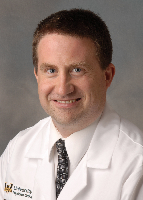
22 Years of Experience
Who is Dr. Cheyer, Ophthalmologist in Detroit, MI?
Where did Dr. Cheyer go to medical school and complete their residency?
Fellowship: Wayne State Univ/Kresge Eye Inst, Trauma
Residency: Baystate Med Center | Case Western Reserve University Affiliated Hospitals | Baystate Medical Center | University Hospitals, Cleveland
Is Dr. Cheyer board certified as an Ophthalmologist?
Yes, Dr. Christopher Cheyer, MD is board certified by the American Board of Ophthalmology
What languages does Dr. Cheyer speak?
Dr. Cheyer and their clinical team can communicate with patients in the following languages:
- English
What conditions does an Ophthalmologist like Dr. Cheyer typically treat?
As an Ophthalmologist, Dr. Cheyer diagnoses, treats, and manages a wide range of conditions. This condition information is derived from anonymized insurance claims and highlights the medical conditions most commonly treated by Dr. Cheyer. It provides insight into the doctor’s areas of experience and expertise based on real-world patient encounters from the past two years, updated quarterly. Learn more about our claims-based healthcare methodology.
Also known as:
- Cataract
- Cloudy lens
- Lens clouding
- Eye cloudiness
ICD-10 Codes:
- H2513: Age-related nuclear cataract, bilateral
Also known as:
- Dry Eyes
- Tears
- Dry eye syndrome
- Keratoconjunctivitis sicca
- Ocular dryness
ICD-10 Codes:
- H04123: Dry eye syndrome of bilateral lacrimal glands
Also known as:
- Borderline Open-Angle Glaucoma
- Preglaucoma
- Primary Open-Angle Glaucoma
- Glaucoma
- Early Open-Angle Glaucoma
- Open-angle glaucoma suspect
- Risk of Open-Angle Glaucoma
- Early Glaucoma
- Borderline Glaucoma
- Risk of Glaucoma
- POAG
- Chronic Simple Glaucoma
- Wide-Angle Glaucoma
ICD-10 Codes:
- H40013: Open angle with borderline findings, low risk, bilateral
- H40003: Preglaucoma, unspecified, bilateral
- H401130: Primary open-angle glaucoma, bilateral, stage unspecified
Also known as:
- Chalazion
- Chalazion on Right Upper Eyelid
- Eyelid Disorder
- Meibomian cyst
- Eyelid cyst
- Stye-like bump
- Right Upper Eyelid Cyst
- Meibomian Cyst on Upper Lid
- Blocked Gland Right Upper Eyelid
ICD-10 Codes:
- H0014: Chalazion left upper eyelid
- H0011: Chalazion right upper eyelid
Also known as:
- Protruding Eyes
- Eye Disease
- Bulging Eyes
- Exophthalmos
- Grave's Ophthalmopathy
ICD-10 Codes:
- H05243: Constant exophthalmos, bilateral
Also known as:
- Type 2 Diabetes
- Diabetes Type 2
- Type 2 diabetes
- Diabetes Mellitus Type 2
- Adult-Onset Diabetes
- Non-Insulin Dependent Diabetes
ICD-10 Codes:
- E119: Type 2 diabetes mellitus without complications
What procedures does an Ophthalmologist like Dr. Cheyer typically perform?
As an Ophthalmologist, Dr. Cheyer performs a variety of medical procedures. This procedure information is derived from anonymized insurance claims and highlights the medical procedures most commonly performed by Dr. Cheyer. It provides insight into the doctor’s areas of experience and expertise based on real-world patient encounters from the past two years, updated quarterly. Learn more about our claims-based healthcare methodology.
Also known as:
- Droopy Eyelid Repair (Ptosis Surgery)
- Temporary Eyelid Closure
- Chalazion Removal
- Eyelid Lesion Removal
- Blepharoptosis Repair
- Levator Resection
- Eyelid Lift Surgery
- Ptosis Correction
- Eyelid suturing
- Frost suture procedure
- Temporary tarsorrhaphy
- Eyelid Cyst Excision
- Stye Removal Surgery
- Meibomian Cyst Removal
- Eyelid growth removal
- Eyelid bump excision
- Eyelid skin lesion surgery
CPT Codes:
- 67904: Repair of blepharoptosis; (tarso) levator resection or advancement, external approach
- 67875: Temporary closure of eyelids by suture (eg, Frost suture)
- 67800: Excision of chalazion; single
- 67840: Excision of lesion of eyelid (except chalazion) without closure or with simple direct closure
Also known as:
- Tear Duct Probing with Stent Placement
- Nasolacrimal Duct Probing with Stent
- Tear Duct Stent Insertion
- Blocked Tear Duct Repair
- Dacryocystorhinostomy (DCR) Stent
CPT Codes:
- 68815: Probing of nasolacrimal duct, with or without irrigation; with insertion of tube or stent
Also known as:
- Facial Muscle Injection for Spasms (One Side)
- Botox for facial spasms
- Facial nerve chemodenervation
- Blepharospasm treatment
- Hemifacial spasm injection
CPT Codes:
- 64612: Chemodenervation of muscle(s); muscle(s) innervated by facial nerve, unilateral (eg, for blepharospasm, hemifacial spasm)
Does Dr. Cheyer accept my insurance?
Dr. Cheyer accepts most major insurance plans. Important: Please call our office at (248) 885-2956 before your appointment to verify that your specific plan and network are accepted.
What insurance plans does Dr. Cheyer accept in Detroit, MI?
Dr. Cheyer in Detroit, MI accepts plans from many carriers. While this list is updated regularly, it is not a guarantee of coverage.
Top Insurances
BCBS Unspecified
Blue Cross Blue Shield Association
Blue Cross Blue Shield of Michigan
CVS Health (formerly Aetna)
Federal government of the United States
McLaren Health Care
Medicaid
Medicare
Molina Healthcare
UnitedHealth Group
View All Insurances
Where is Dr. Cheyer's office located?
What hospitals are Dr. Cheyer affiliated with?
Dr. Cheyer has admitting privileges at the following hospitals:
Recognitions
Memberships & Associations
American Academy of Ophthalmology
Fellow
What is Dr. Cheyer's NPI number?A National Provider Identifier (NPI) is a unique ID number that identifies doctors and healthcare providers nationwide.
Dr. Cheyer's National Provider Identifier (NPI) number is 1245278316.
What common questions do patients ask about Dr. Cheyer?
Here are answers to patients Frequently Asked Questions (FAQ’s) about Dr. Cheyer