
Affiliated with a Castle Connolly Top Hospital
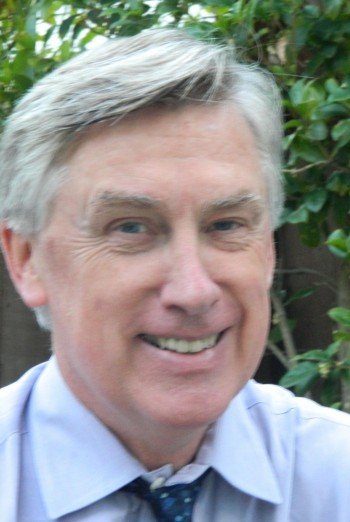
Who is Dr. Day, Neuromuscular Medicine Specialist - Neurologist in Stanford, CA?
Dr. John Day, MD is a Neuromuscular Medicine Specialist - Neurologist, who primarily practices in Stanford, CA. He is board certified. Dr. Day completed his residency at Stanford Univ Hosp, Cardiovascular Diseases; Stanford Univ Hosp, Internal Medicine. Dr. Day is fluent in English and Spanish, and is currently seeing new patients. Dr. Day’s practice accepts Kaiser Permanente, Medicaid, Medicare, Aetna, Cigna, UnitedHealthcare and other major insurance plans. To book an appointment or to confirm insurance options, please call Dr. Day’s office at (650) 723-4000.
What are Areas of Expertise for Dr. Day?
Dr. John Day, MD is a highly-rated, board-certified Neuromuscular Medicine Specialist - Neurologist known for expertly diagnosing, treating, and managing a wide array of related conditions and procedures. Utilizing the latest medical advancements and evidence-based practices, Dr. Day empowers patients to confidently navigate their health journey, specializing in Amyotrophic Lateral Sclerosis (ALS), Neuromuscular Disorders, and comprehensive wellness support. Serving the Stanford, CA community, Dr. Day is dedicated to enhancing lives through expert, patient-centered care.
Where did Dr. Day go to medical school and complete their residency?
Residency: Stanford Univ Hosp, Cardiovascular Diseases; Stanford Univ Hosp, Internal Medicine
Medical School: Johns Hopkins Univ Sch of Med, Baltimore Md
Is Dr. Day board certified as a Neuromuscular Medicine Specialist - Neurologist?
Yes, Dr. John Day, MD is board certified by the American Board of Psychiatry and Neurology
What languages does Dr. Day speak?
Dr. Day and their clinical team can communicate with patients in the following languages:
English
Spanish
What conditions does a Neuromuscular Medicine Specialist - Neurologist like Dr. Day typically treat?
As a Neuromuscular Medicine Specialist - Neurologist, Dr. Day diagnoses, treats, and manages a wide range of conditions. This condition information is derived from anonymized insurance claims and highlights the medical conditions most commonly treated by Dr. Day. It provides insight into the doctor’s areas of experience and expertise based on real-world patient encounters from the past two years, updated quarterly. Learn more about our claims-based healthcare methodology.
Also known as:
- Shortness of Breath
- Breathing Problems
- Difficulty breathing
- Breathlessness
- Dyspnea
ICD-10 Codes:
- R0602: Shortness of breath
Also known as:
- Duchenne or Becker Muscular Dystrophy
- Myotonic Dystrophy
- Muscular Dystrophy
- Myotonic dystrophy
- DMD
- BMD
- Duchenne Muscular Dystrophy
- Becker Muscular Dystrophy
- DM
- Steinert's Disease
- Myotonic Muscular Dystrophy
ICD-10 Codes:
- G7101: Duchenne or Becker muscular dystrophy
- G7111: Myotonic muscular dystrophy
Also known as:
- Myasthenia Gravis (Stable)
- Myasthenia Gravis
- MG without Flare-up
- Controlled Myasthenia Gravis
- Chronic MG
ICD-10 Codes:
- G7000: Myasthenia gravis without (acute) exacerbation
Also known as:
- Amyotrophic Lateral Sclerosis
- ALS
- Lou Gehrig's Disease
- Motor Neuron Disease
ICD-10 Codes:
- G1221: Amyotrophic lateral sclerosis
Also known as:
- Inherited Spinal Muscular Atrophy
- Spinal Muscular Atrophy
- Genetic SMA
- Familial Spinal Atrophy
- Hereditary Muscle Weakness
ICD-10 Codes:
- G121: Other inherited spinal muscular atrophy
Also known as:
- Spinal Muscular Atrophy
- SMA
- Progressive Muscle Weakness
- Motor Neuron Degeneration
ICD-10 Codes:
- G129: Spinal muscular atrophy, unspecified
Also known as:
- Charcot-Marie-Tooth Disease
- CMT Disease
- Hereditary Motor Sensory Neuropathy
- Peroneal Muscular Atrophy
ICD-10 Codes:
- G600: Hereditary motor and sensory neuropathy
What procedures does a Neuromuscular Medicine Specialist - Neurologist like Dr. Day typically perform?
As a Neuromuscular Medicine Specialist - Neurologist, Dr. Day performs a variety of medical procedures. This procedure information is derived from anonymized insurance claims and highlights the medical procedures most commonly performed by Dr. Day. It provides insight into the doctor’s areas of experience and expertise based on real-world patient encounters from the past two years, updated quarterly. Learn more about our claims-based healthcare methodology.
Also known as:
- Skin Biopsy (Punch)
- Additional Skin Biopsy (Punch)
- Skin Biopsy
- Punch Biopsy
- Skin Lesion Biopsy
- Dermal Punch Biopsy
- Multiple Punch Biopsies
- Second Skin Biopsy
- Additional Skin Lesion Biopsy
CPT Codes:
- 11104: Punch biopsy of skin (including simple closure, when performed); single lesion
- 11105: Punch biopsy of skin (including simple closure, when performed); each separate/additional lesion (List separately in addition to code for primary procedure)
Also known as:
- Salivary Gland Nerve Treatment (Bilateral)
- Botox for Salivary Glands
- Chemodenervation of Salivary Glands
- Parotid Gland Nerve Block
- Submandibular Gland Nerve Treatment
CPT Codes:
- 64611: Chemodenervation of parotid and submandibular salivary glands, bilateral
Also known as:
- Lumbar Puncture (Spinal Tap)
- Cerebrospinal Fluid (CSF) Analysis
- Spinal tap
- CSF analysis
- Diagnostic lumbar puncture
- Cerebrospinal fluid collection
CPT Codes:
- 62270: Spinal puncture, lumbar, diagnostic;
Also known as:
- Respiratory Flow Volume Loop Test
- Lung Function Tests
- Flow-volume loop
- Pulmonary function test
- Spirometry with flow-volume loop
CPT Codes:
- 94375: Respiratory flow volume loop
Also known as:
- Speech Sound Production Evaluation
- Articulation assessment
- Phonological process evaluation
- Apraxia of speech assessment
- Dysarthria evaluation
CPT Codes:
- 92522: Evaluation of speech sound production (eg, articulation, phonological process, apraxia, dysarthria);
Also known as:
- Comprehensive Speech and Language Evaluation
- Speech sound evaluation
- Language comprehension test
- Articulation assessment
- Speech therapy evaluation
CPT Codes:
- 92523: Evaluation of speech sound production (eg, articulation, phonological process, apraxia, dysarthria); with evaluation of language comprehension and expression (eg, receptive and expressive language)
Does Dr. Day accept my insurance?
Dr. Day accepts most major insurance plans. Important: Please call our office at (650) 723-4000 before your appointment to verify that your specific plan and network are accepted.
What insurance plans does Dr. Day accept in Stanford, CA?
Dr. Day in Stanford, CA accepts plans from many carriers. While this list is updated regularly, it is not a guarantee of coverage.
Top Insurances
All Other Third Party
Blue Shield of California
Cigna Group
CVS Health (formerly Aetna)
Elevance Health Inc. (formerly Anthem)
Medicare
Santa Cruz County
State of California
UnitedHealth Group
Unknown
View All Insurances
Where is Dr. Day's office located?
Recognitions
Publications
United Dystrophinopathy Project. LTBP4 genotype predicts age of ambulatory loss
Role of telomere dysfunction in cardiac failure in Duchenne muscular dystrophy
, 2013
Motor and cognitive assessment of infants and young boys with Duchenne Muscular Dystrophy
, 2013
Diffusion tensor imaging reveals widespread white matter abnormalities in children
, 2013
Diagnostic odyssey of patients with myotonic dystrophy.
A focal domain of extreme demethylation within D4Z4 in FSHD2
, 2013
Cerebral and muscle MRI abnormalities in myotonic dystrophy
, 2012
Clinical and genetic features of spinocerebellar ataxia type 8.
, 2012
Spinocerebellar ataxia type 5.
, 2012
LTBP4 genotype predicts age of ambulatory loss in duchenne muscular dystrophy.
2010 Marigold therapeutic strategies for myotonic dystrophy.
, 2012
Randomized, blinded trial of weekend vs daily prednisone in Duchenne muscular dystrophy
, 2011
Misregulation of miR-1 processing is associated with heart defects in myotonic dystrophy
, 2011
Nonsense Mutation-Associated Becker Muscular Dystrophy
, 2011
White matter abnormalities and neurocognitive correlates
, 2011
TRAUMA, TDP-43, AND AMYOTROPHIC LATERAL SCLEROSIS
, 2010
Targeting parents for the treatment of pediatric obesity in boys with Duchenne muscular dystrophy
, 2010
Mutatiol Spectrum of DMD Mutations in Dystrophinopathy Patients
, 2009
SNP Haplotype Mapping in a Small ALS Family
, 2009
Congenital muscular dystrophy in a new age
, 2008
Myotonic dystrophy type 2 in Japan: ancestral origin distinct from Caucasian families
, 2008
Heterozygosity for a protein truncation mutation of sodium channel SCN8A
, 2006
DM2 intronic expansions
, 2006
Spectrin mutations cause spinocerebellar ataxia type 5
, 2006
Gene symbol: SCN8A. Disease: Ataxia. Accession #Hd0520.
, 2006
Domint non-coding repeat expansions in human disease.
, 2006
Genetics and molecular pathogenesis of the myotonic dystrophies.
, 2005
R pathogenesis of the myotonic dystrophies
, 2005
Sudden cardiac death in myotonic dystrophy type 2
, 2004
Spinocerebellar ataxia type 8
, 2004
Myotonic dystrophy: R pathogenesis comes into focus
, 2004
Rapid resolution of quadriplegic CIDP by combined plasmapheresis and IVIg
, 2004
Myotonic dystrophy type 2: Human founder haplotype and evolutiory conservation of the repeat tract
, 2003
Autoimmune rippling muscle
, 2003
Myotonic dystrophy type 2 - Molecular, diagnostic and clinical spectrum
, 2003
Molecular genetics of spinocerebellar ataxia type 8 (SCA8)
, 2003
Randomized, controlled trial of intravenous immunoglobulin in myasthenia gravis
, 2002
Myotonic dystrophy: clinical and molecular parallels between myotonic dystrophy type 1 and type 2.
, 2002
Force assessment in periodic paralysis after electrical muscle stimulation
, 2002
Myotonic dystrophy type 2 caused by a CCTG expansion in intron 1 of ZNF9
, 2001
Clinical illness due to parvovirus B19 infection after infusion of solvent
, 2000
Spinocerebellar ataxia type 8 - Clinical features in a large family
, 2000
SCA8 CTG repeat: en masse contractions in sperm and intergeneratiol sequence changes may play a
, 2000
Clinical and genetic characteristics of a five
, 1999
Genetic mapping of a second myotonic dystrophy locus
, 1998
Genetic manipulation of AChR responses suggests multiple causes of weakness in slow
, 1998
Rapid cloning of expanded trinucleotide repeat sequences from genomic D
, 1998
Desensitization of mutant acetylcholine receptors
, 1997
Slow-channel transgenic mice
, 1997
An improved method for muscle force neuromuscular disease assessment
, 1996
Transgenic mouse model of the slow-channel syndrome
, 1996
NICOTINIC ACETYLCHOLINE-RECEPTOR DESENSITIZATION IS REGULATED BY ACTIVATION
, 1992
NORMOCALCEMIC TETANY ABOLISHED BY CALCIUM INFUSION
, 1990
THUNDERCLAP HEADACHE - SYMPTOM OF UNRUPTURED CEREBRAL ANEURYSM
, 1986
TIME COURSE OF MINIATURE POSTSYPTIC POTENTIALS AT THE MAUTHNER FIBER GIANT SYPSE OF THE HATCHETFISH
, 1985
POSTSYPTIC CURRENTS AT THE MAUTHNER FIBER GIANT SYPSE OF THE HATCHETFISH
, 1985
POSTSYPTIC DEPRESSION OF MAUTHNER CELL-MEDIATED STARTLE REFLEX
, 1980
What is Dr. Day's NPI number?An National Provider Identifier (NPI) is a unique ID number that identifies doctors and healthcare providers nationwide.
Dr. Day's National Provider Identifier (NPI) number is 1447291992.
What common questions do patients ask about Dr. Day?
Here are answers to patients Frequently Asked Questions (FAQ’s) about Dr. Day
What is Dr. John Day's specialty?
Dr. Day is a Neuromuscular Medicine Specialist - Neurologist near Stanford, CA.
What does a Neuromuscular Medicine Specialist - Neurologist do?
A neurologist or child neurologist specializing in the diagnosis and management of nerve, muscle, and neuromuscular junction disorders is responsible to treat conditions such as amyotrophic lateral sclerosis (ALS), peripheral neuropathies (e.g., diabetic and immune-mediated neuropathies), various muscular dystrophies, congenital and acquired myopathies, inflammatory myopathies (e.g., polymyositis, inclusion body myositis), and neuromuscular transmission disorders like myasthenia gravis and Lambert-Eaton myasthenic syndrome.
Is this Dr. John Day affiliated with a ranked Castle Connolly Top Hospital?
Yes, Dr. Day is affiliated with Stanford Health Care - Stanford Hospital which is a Castle Connolly Top Hospital. Castle Connolly Top Hospitals are healthcare institutions recognized for their excellence in specific medical procedures and overall patient care. They are identified through a rigorous peer nomination process, evaluating factors like patient outcomes, quality of care, and expertise. The list recognizes hospitals that excel in 20 or more specific medical procedures, representing the top 25% nationwide. Castle Connolly Top Hospitals
When to see a Neuromuscular Medicine Specialist - Neurologist?: Guides for symptoms, conditions, and treatments
Understand your symptoms and know when it’s time to see a Neuromuscular Medicine Specialist - Neurologist. Explore insights from trusted medical experts on EverydayHealth.com, where you'll find the most relevant content and helpful condition guides for up-to date information about symptoms, causes, diagnosis, treatment and more. See all our health guides to find trusted information on medical conditions from our experts at Everyday Health.
Is John Day accepting new patients in Stanford, CA?
Yes, Dr. John Day is accepting new patients at this time.
Does Dr. John Day offer online booking?
Please contact Dr. Day's office at (650) 723-4000 for information about online booking, telehealth, or to schedule an appointment.
How can I make an appointment with John Day?
Please contact Dr. Day's office at (650) 723-4000 for information regarding telehealth appointment availability or for scheduling assistance.
Which board certifications does Dr. John Day have?
Dr. John Day is certified by the American Board of Psychiatry and Neurology.
Other Neuromuscular Medicine Specialist - Neurologist Near Stanford, CA
Neuromuscular Medicine Specialist - Neurologist
 Accepting patients
Clinical Neurophysiologist
Accepting patientsNeurologist
Accepting patients