

Affiliated with a Castle Connolly Top Hospital
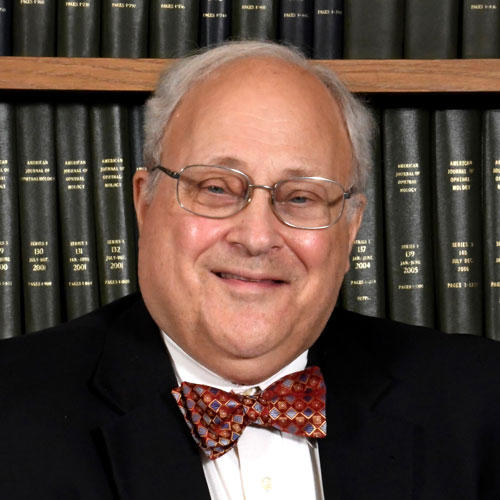
Who is Dr. Brodie, Ophthalmologist in New York, NY?
Scott E. Brodie, MD, Ph.D., is a Professor of Clinical Ophthalmology and Attending Ophthalmologist in the Department of Ophthalmology. He is an internationally known clinician-scientist, and a leader in the use of electrophysiologic techniques for diagnosing of visual impairments in children and adults.Dr. Brodie is a graduate of the combined MD-PhD program at Weill-Cornell Medical College and The Rockefeller University in New York. He completed his PhD in retinal physiology in the laboratory of Nobel Laureate H. K. Hartline, under the supervision of Dr. Floyd Ratliff and Prof. Bruce Knight. He completed a medical internship and residency training in ophthalmology at The New York Hospital, and subsequently received fellowship training in medical retinal disorders and clinical electrophysiology of vision at New York University and Bellevue Hospital under the supervision of Dr. Ronald Carr, with support as a John Kluge Fellow of the Retinitis Pigmentosa Foundation.He is a fellow of the American Academy of Ophthalmology, and a fellow of the Association for Research in Vision and Ophthalmology. He is a member of the International Society for Clinical Electrophysiology of Vision, the International Society for Genetic Eye Disease, and the Ophthalmic Genetics Study Club. Dr. Brodie has been honored with the Senior Achievement Award of the American Academy of Ophthalmology, as well as the Academy's Secretariat Award for Education.Dr. Brodie?s research centers on improving methodologies for electrophysiologic testing, and descriptions of novel findings in patients with inherited and metabolic retinal disorders. He has been a key member of the teams which have introduced important new therapies, including enzyme-replacement therapy for Fabry disease, and intra-arterial chemotherapy for retinoblastoma, which has increased the rate of salvage of diseased eyes in the most severely affected patients from 20% to over 90%.Dr. Brodie has published extensively on electrophysiology and retinal disorders. He has a particular interest in clinical optics, and has served as Chair of the Editorial committee for the American Academy of Ophthalmology?s Basic and Clinical Science Course on Clinical Optics for the past ten years. In his spare time, he enjoys reading mathematics, and playing the oboe in local orchestras and chamber groups.
 Website
Where did Dr. Brodie go to medical school and complete their residency?
Fellowship: Ophthalmology/Retina, New York University Medical Center | Bellevue Hospital, Medical Retina | New York University; New York, Ny
Residency: Nyu Hospitals Center, Ophthalmology; Ny & Presby Hp-Cornell Campus, Ophthalmology; Ny & Presby Hp-Cornell Campus, Internal Medicine | New York Hospital | New York-Presbyterian Hospital | Weill Cornell Medical College Affiliated Hospitals | New York Hospital | Cornell Univ. Medical College | New York Presbyterian Hospital Program
Medical School: Jawaharlal Institute of Post Graduate Medicine Research, Pondicherry University
Is Dr. Brodie board certified as an Ophthalmologist?
Yes, Dr. Scott Brodie, MD is board certified by the American Board of Ophthalmology , American Board of Ophthalmology since 1985
What languages does Dr. Brodie speak?
Dr. Brodie and their clinical team can communicate with patients in the following languages:
English
French
Spanish
What conditions does an Ophthalmologist like Dr. Brodie typically treat?
As an Ophthalmologist, Dr. Brodie diagnoses, treats, and manages a wide range of conditions. This condition information is derived from anonymized insurance claims and highlights the medical conditions most commonly treated by Dr. Brodie. It provides insight into the doctor’s areas of experience and expertise based on real-world patient encounters from the past two years, updated quarterly. Learn more about our claims-based healthcare methodology.
Also known as:
- Retinitis Pigmentosa
- Retinal Disorder
- Cone-rod dystrophy
- Fundus albipunctatus
- Retinitis pigmentosa
- RP
- Rod-Cone Dystrophy
- Pigmentary Retinopathy
ICD-10 Codes:
- H3552: Pigmentary retinal dystrophy
Also known as:
- Hereditary Retinal Dystrophy
- Stargardt Macular Degeneration
- Retinal Disorder
- Stargardt macular degeneration
- Inherited Retinal Disease
- Genetic Retinal Disorder
- Retinal Degeneration
- Familial Retinal Disease
- Stargardt Disease
- Juvenile Macular Degeneration
- Cone-Rod Dystrophy
- Inherited Macular Degeneration
ICD-10 Codes:
- H3550: Unspecified hereditary retinal dystrophy
- H3553: Other dystrophies primarily involving the sensory retina
Also known as:
- Other Long-Term Drug Therapy
- Chronic medication use
- Ongoing drug treatment
- Extended drug therapy
ICD-10 Codes:
- Z79899: Other long term (current) drug therapy
Also known as:
- Unexplained Vision Loss
- Vision Impairment and Blindness
- Unspecified visual loss
- Undiagnosed vision problem
- Sudden vision loss
ICD-10 Codes:
- H547: Unspecified visual loss
Also known as:
- Retinopathy
- Retinal Disorder
- Retinal disease
- Eye disease
- Background retinal changes
ICD-10 Codes:
- H3500: Unspecified background retinopathy
Also known as:
- Other Retina and Choroid Inflammation
- Retinal Disorder
- Chorioretinitis
- Ocular Inflammation
- Retina Inflammation
ICD-10 Codes:
- H30893: Other chorioretinal inflammations, bilateral
Does Dr. Brodie accept my insurance?
Dr. Brodie accepts most major insurance plans. Important: Please call our office at before your appointment to verify that your specific plan and network are accepted.
What insurance plans does Dr. Brodie accept in New York, NY?
Dr. Brodie in New York, NY accepts plans from many carriers. While this list is updated regularly, it is not a guarantee of coverage.
Top Insurances
Cigna Group
CVS Health (formerly Aetna)
EmblemHealth
Healthfirst New York
Medicare
National Benefit Fund
Service Employees International Union (SEIU)
UMR Administered Payer
UnitedHealth Group
Unknown
View All Insurances
Where is Dr. Brodie's office located?
CUIMC/Edward S. Harkness Eye Institute
622 W 168th Street
Vanderbilt Clinic Building, 3rd Floor
New York, NY 10032
Recognitions
Memberships & Associations
American Academy of Ophthalmology
Fellow
American Academy of Ophthalmology
Member
Association for Research in Vision and Ophthalmology
Member
International Society for Clinical Electrophysiology of Vision
Member
International Society for Genetic Eye Disease
Member
What is Dr. Brodie's NPI number?An National Provider Identifier (NPI) is a unique ID number that identifies doctors and healthcare providers nationwide.
Dr. Brodie's National Provider Identifier (NPI) number is 1134128465.
What common questions do patients ask about Dr. Brodie?
Here are answers to patients Frequently Asked Questions (FAQ’s) about Dr. Brodie
What is Dr. Scott Brodie's specialty?
Dr. Brodie is a Ophthalmologist near New York, NY.
What does an Ophthalmologist do?
An ophthalmologist possesses the knowledge and professional skills required to deliver comprehensive eye and vision care. These medical doctors are trained to diagnose, monitor, and treat all ocular and visual disorders, whether through medical or surgical interventions. Their expertise encompasses a wide range of issues affecting the eye and its structures, including the eyelids, orbit, and visual pathways. Additionally, ophthalmologists prescribe vision services, such as glasses and contact lenses, to help patients achieve optimal visual health.
Is this Dr. Scott Brodie affiliated with a ranked Castle Connolly Top Hospital?
Yes, Dr. Brodie is affiliated with Newyork-Presbyterian/columbia University Irving Medical Center, Newyork-Presbyterian Hospital/weill Cornell Medical Center which are a Castle Connolly Top Hospitals. Castle Connolly Top Hospitals are healthcare institutions recognized for their excellence in specific medical procedures and overall patient care. They are identified through a rigorous peer nomination process, evaluating factors like patient outcomes, quality of care, and expertise. The list recognizes hospitals that excel in 20 or more specific medical procedures, representing the top 25% nationwide. Castle Connolly Top Hospitals
When to see an Ophthalmologist?: Guides for symptoms, conditions, and treatments
Understand your symptoms and know when it’s time to see an Ophthalmologist. Explore insights from trusted medical experts on EverydayHealth.com, where you'll find the most relevant content and helpful condition guides for up-to date information about symptoms, causes, diagnosis, treatment and more. See all our health guides to find trusted information on medical conditions from our experts at Everyday Health.
Is Scott Brodie accepting new patients in New York, NY?
Yes, Dr. Scott Brodie is accepting new patients at this time.
Does Dr. Scott Brodie offer online booking?
Please contact Dr. Brodie's office for information about online booking, telehealth, or to schedule an appointment.
How can I make an appointment with Scott Brodie?
Please contact Dr. Brodie's office for information regarding telehealth appointment availability or for scheduling assistance.
Which board certifications does Dr. Scott Brodie have?
Dr. Scott Brodie is certified by the American Board of Ophthalmology.
Other Ophthalmologist Near New York, NY

 Accepting patients
 Accepting patients
 Accepting patients
Connect with DR. Brodie
Sponsored
