
Affiliated with a Castle Connolly Top Hospital
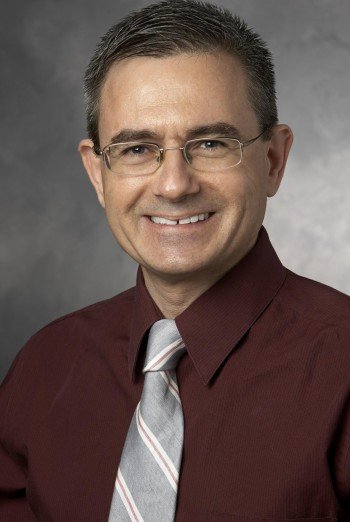
Who is Dr. Doufas, Anesthesiologist in Stanford, CA?
Dr. Anthony Doufas, MD is an Anesthesiologist, who primarily practices in Stanford, CA. Dr. Doufas graduated from ARISTOLELIAN UNIVERSITY. Dr. Doufas is fluent in English and Greek, Modern (1453-), and is currently seeing new patients. Dr. Doufas’s practice accepts Kaiser Permanente, Medicaid, Medicare and other major insurance plans. To book an appointment or to confirm insurance options, please call Dr. Doufas’s office at (650) 723-4000.
Where did Dr. Doufas go to medical school and complete their residency?
Medical School: Aristotle University Of Thessaloniki School Of Medicine | ARISTOLELIAN UNIVERSITY | Aristotle University of Thessaloniki Medical School
What languages does Dr. Doufas speak?
Dr. Doufas and their clinical team can communicate with patients in the following languages:
English
Greek, Modern (1453-)
What conditions does an Anesthesiologist like Dr. Doufas typically treat?
As an Anesthesiologist, Dr. Doufas diagnoses, treats, and manages a wide range of conditions. This condition information is derived from anonymized insurance claims and highlights the medical conditions most commonly treated by Dr. Doufas. It provides insight into the doctor’s areas of experience and expertise based on real-world patient encounters from the past two years, updated quarterly. Learn more about our claims-based healthcare methodology.
Also known as:
- Lower Back Spinal Stenosis
- Neck Spinal Stenosis
- Spinal Stenosis
- Neck Injuries and Disorder
- Narrowing of Lower Back Spinal Canal
- Lumbar Spinal Canal Narrowing
- Lumbar Stenosis
- Narrowing of Neck Spinal Canal
- Cervical Spinal Canal Narrowing
- Cervical Stenosis
ICD-10 Codes:
- M48061: Spinal stenosis, lumbar region without neurogenic claudication
- M4802: Spinal stenosis, cervical region
Also known as:
- Benign Pituitary Tumor
- Benign Tumor
- Pituitary Disorder
- Pituitary Tumor Treatment (PDQ)
- Prolactinoma
- Non-cancerous growth in pituitary gland
- Pituitary adenoma
ICD-10 Codes:
- D352: Benign neoplasm of pituitary gland
Also known as:
- Benign Meningioma
- Benign Tumor
- Brain Disease
- Non-cancerous brain lining tumor
- Brain membrane tumor
- Cerebral meningeal tumor
ICD-10 Codes:
- D320: Benign neoplasm of cerebral meninges
Also known as:
- Trigeminal Neuralgia
- Tic Douloureux
- Facial Nerve Pain
ICD-10 Codes:
- G500: Trigeminal neuralgia
Also known as:
- Moyamoya Disease
- Brain Malformations
- Genetic Brain Disorder
- Moyamoya disease
- Moyamoya Syndrome
- Progressive Cerebrovascular Occlusive Disease
ICD-10 Codes:
- I675: Moyamoya disease
Also known as:
- Brain Aneurysm
- Cerebral Aneurysm
- Brain Artery Bulge
- Intracranial Aneurysm
ICD-10 Codes:
- I671: Cerebral aneurysm, nonruptured
What procedures does an Anesthesiologist like Dr. Doufas typically perform?
As an Anesthesiologist, procedures performed by Dr. Anthony Doufas may include:
- Airway Management
- Anesthesia Consultation
- Anti-Ischemic Therapy
- Anti-Viral Therapy
- Arterial Blood Gas Sampling
- Balloon Pump
- Critical Care Anesthesia
- Endotracheal Intubation
Please contact Dr. Doufas' office directly to confirm care for your specific procedure, for more information, or to schedule a consultation.
Does Dr. Doufas accept my insurance?
Dr. Doufas accepts most major insurance plans. Important: Please call our office at (650) 723-4000 before your appointment to verify that your specific plan and network are accepted.
What insurance plans does Dr. Doufas accept in Stanford, CA?
Dr. Doufas in Stanford, CA accepts plans from many carriers. While this list is updated regularly, it is not a guarantee of coverage.
Top Insurances
All Other Third Party
Blue Shield of California
Cigna Group
CVS Health (formerly Aetna)
Federal government of the United States
Medicaid
Medicare
Other Provider Networks
State of California
UnitedHealth Group
View All Insurances
Where is Dr. Doufas' office located?
Recognitions
Publications
Nocturl Intermittent Hypoxia Is Independently Associated with Pain in Subjects Suffering from Sleep
, 2013
Bispectral Index Dymics During Propofol Hypnosis Is Similar in Red-Haired and Dark-Haired Subjects
, 2013
Experimental Pain and Opioid Algesia in Volunteers at High Risk for Obstructive Sleep Apnea
, 2013
Concordance of Sleep and Pain Outcomes of Diverse Interventions: An Umbrella Review
, 2012
Ventilator-associated pneumonia in critically ill stroke patients: Frequency, risk factors
, 2011
Reinforcement Learning Versus Proportiol-Integral
, 2011
Reinforcement Learning: A Novel Method for Optimal Control of Propofol-Induced Hypnosis
, 2011
An Adaptive Neural Network Filter for Improved Patient State Estimation in Closed
, 2011
The Performance of Compartmental
, 2010
The Hippocratic Paradigm in Medicine: Origins of the Clinical Encounter
, 2010
Neuromuscular Block Differentially Affects Immobility
, 2009
Automated Responsiveness Monitor to Titrate Propofol Sedation
, 2009
Fuzzy Control for Closed-Loop, Patient-Specific Hypnosis in Intraoperative Patients
, 2009
Lower-body warming mimics the normal epidural-induced reduction in the shivering threshold
, 2008
Influence of administration rate on propofol plasma - Effect site equilibration
, 2007
Sitting position does not alter minimum alveolar concentration for desflurane
, 2007
Tissue oxygetion response to mild hypercapnia during cardiopulmory bypass with constant pump output
, 2006
Postoperative coma in a patient with complete basilar syndrome after anterior cervical discectomy
, 2006
Effects of dopexamine on lipid peroxidation during aortic surgery in pigs: Comparison with dopamine
, 2005
Recurrent seizure activity after epidural morphine in a post-partum woman
, 2005
Magnesium sulphate only slightly reduces the shivering threshold in humans
, 2005
The timing of acupuncture stimulation does not influence anesthetic requirement
, 2005
Effects of transient myocardial ischemia on the ventricular defibrillation threshold
, 2005
Induction speed is not a determint of propofol pharmacodymics
, 2004
Block-dependent sedation during epidural aesthesia is associated with delayed brainstem conduction
, 2004
Anesthetic requirement is increased in redheads
, 2004
The new perilaryngeal airway (CobraPLA (TM)) is as efficient as the laryngeal mask airway (LMA
, 2004
Dantrolene reduces the threshold and gain for shivering
, 2004
Time course of fibrillation
, 2004
Physiology and clinical relevance of induced hypothermia
, 2004
Midazolam causes less sedation in volunteers with red hair
, 2004
Consequences of idvertent perioperative hypothermia.
, 2003
Women have the same desflurane minimum alveolar concentration as men - A prospective study
, 2003
T-4 but not T-3 administration is associated with increased recurrence of Graves' disease after
, 2003
A new system to target the effect-site during propofol sedation
, 2003
Automated responsiveness test and bispectral index monitoring during propofol and propofol
, 2003
Blood pressure response to thermoregulatory vasoconstriction during isoflurane
, 2003
Neither arm nor face warming reduces the shivering threshold in unesthetized humans
, 2003
Experimental surgery in infrarel aorta and sigmoid ischemia
, 2003
Effect of intra-operative end-tidal carbon dioxide partial pressure on tissue oxygetion
, 2003
Dexmedetomidine and meperidine additively reduce the shivering threshold in humans
, 2003
Initial experience with a novel heat-exchanging catheter in neurosurgical patients
, 2002
Hypercapnia improves tissue oxygetion
, 2002
Electro-acupuncture at the Zusanli, Yanglingquan
, 2002
Insufficiency in a new temporal-artery thermometer for adult and pediatric patients
, 2002
Use of selective opiate receptor inhibitors to prevent postoperative ileus.
, 2002
The threshold and gain of thermoregulatory vasoconstriction differs during anesthesia in the
, 2002
Oxygen free radicals in abdomil aortic surgery - An experimental study
, 2002
Transcutaneous electrical stimulation of an auricular acupuncture point decre
, 2002
Buspirone and meperidine synergistically reduce the shivering threshold
, 2001
Neither lbuphine nor atropine posses special antishivering activity
, 2001
Use of an isolated pancreatic graft (ex vivo) of swine as model for drug studies
, 2001
Automated responsiveness test
, 2001
Effect of balloon angioplasty and stenting following clips vs suture arterial stenosis
, 2000
The hypothalamic-pituitary-thyroid axis and the female reproductive system
, 2000
Predomint form of non-toxic goiter in Greece is now autoimmune thyroiditis
, 1999
Venous repair with vascular clips and conventiol suture: A comparative experimental study
, 1999
The cerebral effects of carbon dioxide during digital subtraction angiography in the aortic arch
, 1998
Hyperthyroidism in McCune
, 1997
First experimental study of carbon dioxide digital subtraction lymphangiography
, 1997
What is Dr. Doufas's NPI number?An National Provider Identifier (NPI) is a unique ID number that identifies doctors and healthcare providers nationwide.
Dr. Doufas's National Provider Identifier (NPI) number is 1578531430.
What common questions do patients ask about Dr. Doufas?
Here are answers to patients Frequently Asked Questions (FAQ’s) about Dr. Doufas
What is Dr. Anthony Doufas's specialty?
Dr. Doufas is a Anesthesiologist near Stanford, CA.
What does an Anesthesiologist do?
A physician specialist in pain management and maintaining or restoring a stable state during and right after surgical, obstetric, or diagnostic operations is known as an anesthesiologist. This specialist assesses each patient's risk of surgery and tries to improve their condition before to, during, and following the procedure. Anesthesiologists provide medical management, pain management, and critical care consults in addition to these vital management responsibilities. They are responsible for managing patients with severe illnesses or injuries, supervising the recovery period following anesthesia, directing resuscitation efforts for patients experiencing cardiac or respiratory emergencies that may require artificial ventilation, and diagnosing and treating both acute and chronic pain, including pain related to cancer.
Is this Dr. Anthony Doufas affiliated with a ranked Castle Connolly Top Hospital?
Yes, Dr. Doufas is affiliated with Stanford Health Care - Stanford Hospital which is a Castle Connolly Top Hospital. Castle Connolly Top Hospitals are healthcare institutions recognized for their excellence in specific medical procedures and overall patient care. They are identified through a rigorous peer nomination process, evaluating factors like patient outcomes, quality of care, and expertise. The list recognizes hospitals that excel in 20 or more specific medical procedures, representing the top 25% nationwide. Castle Connolly Top Hospitals
When to see an Anesthesiologist?: Guides for symptoms, conditions, and treatments
Understand your symptoms and know when it’s time to see an Anesthesiologist. Explore insights from trusted medical experts on EverydayHealth.com, where you'll find the most relevant content and helpful condition guides for up-to date information about symptoms, causes, diagnosis, treatment and more. See all our health guides to find trusted information on medical conditions from our experts at Everyday Health.
Is Anthony Doufas accepting new patients in Stanford, CA?
Yes, Dr. Anthony Doufas is accepting new patients at this time.
Does Dr. Anthony Doufas offer online booking?
Please contact Dr. Doufas's office at (650) 723-4000 for information about online booking, telehealth, or to schedule an appointment.
How can I make an appointment with Anthony Doufas?
Please contact Dr. Doufas's office at (650) 723-4000 for information regarding telehealth appointment availability or for scheduling assistance.
Other Anesthesiologist Near Stanford, CA
Anesthesiologist
 Accepting patients
Anesthesiologist
Accepting patientsPain Medicine Specialist - Anesthesiologist
Accepting patients