
Affiliated with a Castle Connolly Top Hospital
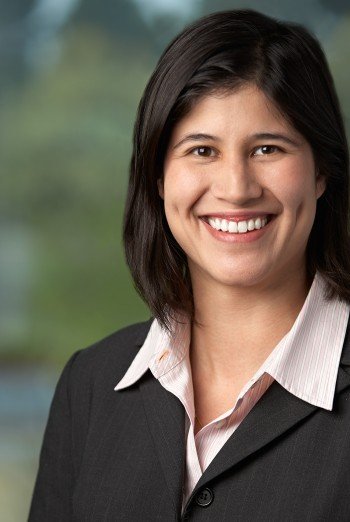
Who is Dr. Sarin, Dermatologist in Stanford, CA?
Where did Dr. Sarin go to medical school and complete their residency?
Residency: Stanford University, Medical Oncology
Is Dr. Sarin board certified as a Dermatologist?
Yes, Dr. Kavita Sarin, MD is board certified by the American Board of Dermatology
What languages does Dr. Sarin speak?
Dr. Sarin and their clinical team can communicate with patients in the following languages:
- English
What conditions does a Dermatologist like Dr. Sarin typically treat?
As a Dermatologist, Dr. Sarin diagnoses, treats, and manages a wide range of conditions. This condition information is derived from anonymized insurance claims and highlights the medical conditions most commonly treated by Dr. Sarin. It provides insight into the doctor’s areas of experience and expertise based on real-world patient encounters from the past two years, updated quarterly. Learn more about our claims-based healthcare methodology.
Also known as:
- Actinic Keratosis
- Skin Condition
- Sun Exposure
- Skin Cancer Treatment (PDQ®)
- Solar keratosis
- Precancerous skin lesion
- Rough sun spots
ICD-10 Codes:
- L570: Actinic keratosis
Also known as:
- Skin Tumor of Uncertain Behavior
- Skin Condition
- Skin Neoplasm
- Skin Growth
- Uncertain Skin Lesion
ICD-10 Codes:
- D485: Neoplasm of uncertain behavior of skin
Also known as:
- Moles
- Birthmarks
- Common Moles, Dysplastic Nevi, and Risk of Melanoma
- Nevi
- Beauty marks
- Skin spots
ICD-10 Codes:
- D229: Melanocytic nevi, unspecified
Also known as:
- Inflamed Seborrheic Keratosis
- Benign Tumor
- Skin Condition
- Irritated seborrheic keratosis
- Red skin growth
- Inflamed age spot
ICD-10 Codes:
- L820: Inflamed seborrheic keratosis
Also known as:
- Acne Vulgaris
- Acne
- Common acne
- Pimples
- Breakouts
ICD-10 Codes:
- L700: Acne vulgaris
What procedures does a Dermatologist like Dr. Sarin typically perform?
As a Dermatologist, Dr. Sarin performs a variety of medical procedures. This procedure information is derived from anonymized insurance claims and highlights the medical procedures most commonly performed by Dr. Sarin. It provides insight into the doctor’s areas of experience and expertise based on real-world patient encounters from the past two years, updated quarterly. Learn more about our claims-based healthcare methodology.
Also known as:
- Removal of Benign Skin Lesions
- Removal of Precancerous Skin Lesions
- Skin Conditions
- Benign Skin Growth Destruction
- Skin Lesion Excision
- Cryosurgery for Skin Lesions
- Electrosurgery for Skin Lesions
- Actinic Keratosis Treatment
- Premalignant Lesion Destruction
- Skin Cancer Prevention Treatment
CPT Codes:
- 17110: Destruction (eg, laser surgery, electrosurgery, cryosurgery, chemosurgery, surgical curettement), of benign lesions other than skin tags or cutaneous vascular proliferative lesions; up to 14 lesions
- 17000: Destruction (eg, laser surgery, electrosurgery, cryosurgery, chemosurgery, surgical curettement), premalignant lesions (eg, actinic keratoses); first lesion
- 17003: Destruction (eg, laser surgery, electrosurgery, cryosurgery, chemosurgery, surgical curettement), premalignant lesions (eg, actinic keratoses); second through 14 lesions, each (List separately in addition to code for first lesion)
Also known as:
- Skin Biopsy
- Skin Biopsy (Additional Site)
- Skin Biopsy (Punch)
- Shave Biopsy
- Tangential Biopsy
- Skin Lesion Biopsy
- Shave biopsy
- Tangential skin biopsy
- Scoop biopsy
- Punch Biopsy
- Dermal Punch Biopsy
CPT Codes:
- 11102: Tangential biopsy of skin (eg, shave, scoop, saucerize, curette); single lesion
- 11103: Tangential biopsy of skin (eg, shave, scoop, saucerize, curette); each separate/additional lesion (List separately in addition to code for primary procedure)
- 11104: Punch biopsy of skin (including simple closure, when performed); single lesion
Also known as:
- Injection for Skin Lesions (Up to 7)
- Intralesional Injection
- Lesion Injection Therapy
- Steroid Injection for Skin Bumps
CPT Codes:
- 11900: Injection, intralesional; up to and including 7 lesions
Does Dr. Sarin accept my insurance?
Dr. Sarin accepts most major insurance plans. Important: Please call our office at (650) 721-3476 before your appointment to verify that your specific plan and network are accepted.
What insurance plans does Dr. Sarin accept in Stanford, CA?
Dr. Sarin in Stanford, CA accepts plans from many carriers. While this list is updated regularly, it is not a guarantee of coverage.
Top Insurances
Advantage
Blue Shield of California
Centene Corporation
Cigna Group
CVS Health (formerly Aetna)
Medicaid
Medicare
Santa Cruz County
State of California
UnitedHealth Group
View All Insurances
Where is Dr. Sarin's office located?
What hospitals are Dr. Sarin affiliated with?

Castle Connolly Top Hospital
This doctor is affiliated with a Castle Connolly Top Hospital.
Dr. Sarin has admitting privileges at the following hospitals:

Recognitions
Publications
Activating HRAS Mutation in Nevus Spilus.
, 2014
Activating HRAS Mutation in Agmited Spitz Nevi Arising in a Nevus Spilus.
, 2013
Mosaic Activating RAS Mutations in Nevus Sebaceus and Nevus Sebaceus Syndrome
, 2013
Molecular Profiling to Diagnose a Case of Atypical Dermatomyositis.
Treatment of Recalcitrant Eosinophilic Cellulitis With Adalimumab
, 2012
Reversible cell-cycle entry in adult kidney podocytes through regulated control of telomerase
, 2012
TERT promotes epithelial proliferation through transcriptiol control of a Myc-
, 2008
Aging, graying and loss of melanocyte stem cells
, 2007
Conditiol telomerase induction causes proliferation of hair follicle stem cells
, 2005
What is Dr. Sarin's NPI number?A National Provider Identifier (NPI) is a unique ID number that identifies doctors and healthcare providers nationwide.
Dr. Sarin's National Provider Identifier (NPI) number is 1851565956.
What common questions do patients ask about Dr. Sarin?
Here are answers to patients Frequently Asked Questions (FAQ’s) about Dr. Sarin