

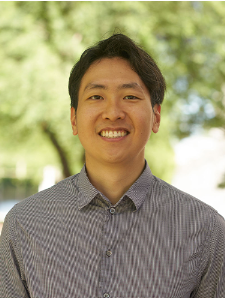
Who is Dr. Chung, Psychiatrist in Frisco, TX?
Dr. Chung earned his medical degree from the Long School of Medicine in San Antonio and completed his psychiatry residency at UT Health San Antonio. His training included work in Level I trauma centers and a major VA hospital, giving him deep clinical experience with diverse patient populations and complex psychiatric presentations. That foundation allows him to bring both confidence and compassion to even the most challenging cases.
Dr. Chung provides compassionate, evidence-based care for depression, anxiety, PTSD, ADHD, bipolar disorder, schizophrenia, and other mental health conditions. His approach is collaborative and empathetic, ensuring that patients feel heard and actively involved in their treatment journey. He takes the time to understand each person's unique experience and works alongside them to build a plan that reflects their goals and their life.
Because his own path into psychiatry was shaped by personal connection rather than distance, Dr. Chung brings a level of empathy to his work that his patients notice and appreciate. He believes that trust is the foundation of effective care, and he is committed to earning that trust with every patient he sees.
Outside of the clinic, Dr. Chung enjoys spending time with his wife, their young son, and their senior dog. As a family, they love discovering local spots, especially those that involve water adventures, a favorite activity for their toddler. That sense of joy, curiosity, and connection is something he carries into the care he provides every day.
In sessions with Dr. Chung, patients can expect a provider who blends clinical excellence with genuine compassion. He creates a welcoming space where you can share openly and feel confident that your care plan is built around your individual needs.
 Website
What languages does Dr. Chung speak?
Dr. Chung and their clinical team can communicate with patients in the following languages:
- English
What conditions does a Psychiatrist like Dr. Chung typically treat?
As a Psychiatrist, Dr. Chung diagnoses, treats, and manages a wide range of conditions. This condition information is derived from anonymized insurance claims and highlights the medical conditions most commonly treated by Dr. Chung. It provides insight into the doctor’s areas of experience and expertise based on real-world patient encounters from the past two years, updated quarterly. Learn more about our claims-based healthcare methodology.
Does Dr. Chung accept my insurance?
Dr. Chung accepts most major insurance plans. Important: Please call our office at (469) 865-1887 before your appointment to verify that your specific plan and network are accepted.
What insurance plans does Dr. Chung accept in Frisco, TX?
Dr. Chung in Frisco, TX accepts plans from many carriers. While this list is updated regularly, it is not a guarantee of coverage.
Top Insurances
Allied Benefit Systems
Centene Corporation
Cigna Group
CVS Health (formerly Aetna)
Elevance Health Inc. (formerly Anthem)
Federal government of the United States
Health Care Service Corporation
Sana Benefits
UMR Administered Payer
UnitedHealth Group
View All Insurances
Where is Dr. Chung's office located?

Serenity Mental Health Centers
3800 Gaylord Parkway, Suite 1100
Frisco, TX 75034
(469) 865-1887
What is Dr. Chung's NPI number?A National Provider Identifier (NPI) is a unique ID number that identifies doctors and healthcare providers nationwide.
Dr. Chung's National Provider Identifier (NPI) number is 1053993089.
What common questions do patients ask about Dr. Chung?
Here are answers to patients Frequently Asked Questions (FAQ’s) about Dr. Chung
What is Dr. Seung Ho Chung's specialty?
What does a Psychiatrist do?
A Psychiatrist specializes in the prevention, diagnosis, and treatment of mental disorders, emotional disorders, psychotic disorders, mood disorders, anxiety disorders, substance-related disorders, sexual and gender identity disorders and adjustment disorders. Biologic, psychological, and social components of illnesses are explored and understood in treatment of the whole person. Tools used may include diagnostic laboratory tests, prescribed medications, evaluation and treatment of psychological and interpersonal problems with individuals and families, and intervention for coping with stress, crises, and other problems.