
Affiliated with a Castle Connolly Top Hospital
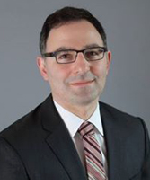
Who is Dr. Moshel, Neurosurgeon in Morristown, NJ?
What are Areas of Expertise for Dr. Moshel?
Dr. Yaron Moshel, MD, PHD is a highly-rated, board-certified Neurosurgeon known for expertly diagnosing, treating, and managing a wide array of related conditions and procedures. Utilizing the latest medical advancements and evidence-based practices, Dr. Moshel empowers patients to confidently navigate their health journey, specializing in Brain Tumors, Skull Base Surgery, and comprehensive wellness support. Serving the Morristown, NJ community, Dr. Moshel is dedicated to enhancing lives through expert, patient-centered care.
Where did Dr. Moshel go to medical school and complete their residency?
Fellowship: NYU Medical Center, NY, USA | NY Presbyterian/Weill Cornell Medical Center, NY, USA | Weill Cornell Medical Center - NY Presbyterian
Medical School: State University of New York Downstate Medical Center College of Medicine
Is Dr. Moshel board certified as a Neurosurgeon?
Yes, Dr. Yaron Moshel, MD, PHD is board certified by the American Board of Neurological Surgery
What languages does Dr. Moshel speak?
Dr. Moshel and their clinical team can communicate with patients in the following languages:
- English
What conditions does a Neurosurgeon like Dr. Moshel typically treat?
As a Neurosurgeon, Dr. Moshel diagnoses, treats, and manages a wide range of conditions. This condition information is derived from anonymized insurance claims and highlights the medical conditions most commonly treated by Dr. Moshel. It provides insight into the doctor’s areas of experience and expertise based on real-world patient encounters from the past two years, updated quarterly. Learn more about our claims-based healthcare methodology.
Also known as:
- Benign Meningioma
- Benign Tumor
- Non-cancerous brain or spinal lining tumor
- Meningeal tumor
- Brain membrane tumor
ICD-10 Codes:
- D329: Benign neoplasm of meninges, unspecified
Also known as:
- Benign Pituitary Tumor
- Benign Tumor
- Pituitary Disorder
- Pituitary Tumor Treatment (PDQ)
- Prolactinoma
- Non-cancerous growth in pituitary gland
- Pituitary adenoma
ICD-10 Codes:
- D352: Benign neoplasm of pituitary gland
Also known as:
- Secondary Brain Cancer
- Brain Tumor
- Metastatic brain cancer
- Brain metastases
- Cancer spread to brain
ICD-10 Codes:
- C7931: Secondary malignant neoplasm of brain
Also known as:
- Other Brain Disorder
- Brain Disease
- Various Brain Conditions
- Uncommon Brain Problems
- Specified Brain Disease
ICD-10 Codes:
- G9389: Other specified disorders of brain
What procedures does a Neurosurgeon like Dr. Moshel typically perform?
As a Neurosurgeon, Dr. Moshel performs a variety of medical procedures. This procedure information is derived from anonymized insurance claims and highlights the medical procedures most commonly performed by Dr. Moshel. It provides insight into the doctor’s areas of experience and expertise based on real-world patient encounters from the past two years, updated quarterly. Learn more about our claims-based healthcare methodology.
Also known as:
- Computer-Assisted Brain Surgery (Stereotactic)
- Stereotactic Neurosurgery
- Image-Guided Brain Surgery
- Cranial Navigational Procedure
CPT Codes:
- 61781: Stereotactic computer-assisted (navigational) procedure; cranial, intradural (List separately in addition to code for primary procedure)
Also known as:
- Brain Tumor Removal Surgery
- Pituitary Tumor Removal (Through Nose)
- Brain Tumor Removal (Meningioma)
- Craniotomy for Tumor
- Brain Surgery for Tumor
- Brain Tumor Excision
- Craniectomy for Tumor
- Transnasal Pituitary Tumor Excision
- Trans-sphenoidal Neuroendoscopy
- Endoscopic Pituitary Surgery
- Pituitary Adenoma Removal
- Meningioma Excision
- Craniotomy for Brain Tumor
- Skull Opening for Tumor
CPT Codes:
- 61510: Craniectomy, Trephination, Bone Flap Craniotomy; For Excision Of Brain Tumor, Supratentorial, Except Meningioma
- 62165: Neuroendoscopy, intracranial; with excision of pituitary tumor, transnasal or trans-sphenoidal approach
- 61512: Craniectomy, Trephination, Bone Flap Craniotomy; For Excision Of Meningioma, Supratentorial
Also known as:
- Stereotactic Radiosurgery for Brain Lesion
- Stereotactic Radiosurgery (Single Brain Lesion)
- Gamma Knife Radiosurgery
- CyberKnife Radiosurgery
- Focused Radiation for Brain
- SRS
- CyberKnife
- Brain Radiation Therapy
- Particle Beam Therapy
CPT Codes:
- 61798: Stereotactic radiosurgery (particle beam, gamma ray, or linear accelerator); 1 complex cranial lesion
- 61796: Stereotactic radiosurgery (particle beam, gamma ray, or linear accelerator); 1 simple cranial lesion
Also known as:
- Skull Base Tumor Removal
- Complex Skull Base Surgery (Orbitocranial Zygomatic Approach)
- Complex Skull Base Surgery
- Posterior Cranial Fossa Lesion Excision
- Jugular Foramen Tumor Resection
- Foramen Magnum Lesion Removal
- Cervical Vertebrae Lesion Excision
- Middle Cranial Fossa Surgery
- Cavernous Sinus Surgery
- Zygomatic Osteotomy Craniotomy
- Transtemporal skull base surgery
- Jugular foramen surgery
- Mastoidectomy with facial nerve decompression
CPT Codes:
- 61616: Resection or excision of neoplastic, vascular or infectious lesion of base of posterior cranial fossa, jugular foramen, foramen magnum, or C1-C3 vertebral bodies; intradural, including dural repair, with or without graft
- 61592: Orbitocranial zygomatic approach to middle cranial fossa (cavernous sinus and carotid artery, clivus, basilar artery or petrous apex) including osteotomy of zygoma, craniotomy, extra- or intradural elevation of temporal lobe
- 61595: Transtemporal approach to posterior cranial fossa, jugular foramen or midline skull base, including mastoidectomy, decompression of sigmoid sinus and/or facial nerve, with or without mobilization
Also known as:
- Ventriculoperitoneal Shunt Placement
- VP Shunt Surgery
- Brain Shunt Placement
- Hydrocephalus Shunt
CPT Codes:
- 62223: Creation of shunt; ventriculo-peritoneal, -pleural, other terminus
Also known as:
- Removal of Brain Lesion from Skull Base
- Cranial Fossa Lesion Excision
- Brain Tumor Removal
- Vascular Lesion Resection
- Dural Repair
CPT Codes:
- 61601: Resection or excision of neoplastic, vascular or infectious lesion of base of anterior cranial fossa; intradural, including dural repair, with or without graft
Also known as:
- Brain Tumor Removal Surgery (Back of Brain)
- Posterior Fossa Tumor Excision
- Infratentorial Brain Tumor Surgery
- Craniectomy for Brain Tumor
- Brain Cancer Surgery
CPT Codes:
- 61518: Craniectomy for excision of brain tumor, infratentorial or posterior fossa; except meningioma, cerebellopontine angle tumor, or midline tumor at base of skull
Does Dr. Moshel accept my insurance?
Dr. Moshel accepts most major insurance plans. Important: Please call our office at (908) 277-8646 before your appointment to verify that your specific plan and network are accepted.
What insurance plans does Dr. Moshel accept in Morristown, NJ?
Dr. Moshel in Morristown, NJ accepts plans from many carriers. While this list is updated regularly, it is not a guarantee of coverage.
Top Insurances
Cigna Group
CVS Health (formerly Aetna)
Horizon BlueCross BlueShield
Horizon Mutual Holdings
Keenan & Associates
MagnaCare Rx Administered Payer
Medicare
Oscar Health
State of New Jersey
UnitedHealth Group
View All Insurances
Where is Dr. Moshel's office located?
Dr. Yaron Moshel's Primary Practice
95 Madison Ave Ste A06
Morristown, NJ 07960
(908) 277-8646
What hospitals are Dr. Moshel affiliated with?

Castle Connolly Top Hospital
This doctor is affiliated with a Castle Connolly Top Hospital.
Dr. Moshel has admitting privileges at the following hospitals:




What is Dr. Moshel's NPI number?A National Provider Identifier (NPI) is a unique ID number that identifies doctors and healthcare providers nationwide.
Dr. Moshel's National Provider Identifier (NPI) number is 1013111830.
What common questions do patients ask about Dr. Moshel?
Here are answers to patients Frequently Asked Questions (FAQ’s) about Dr. Moshel