
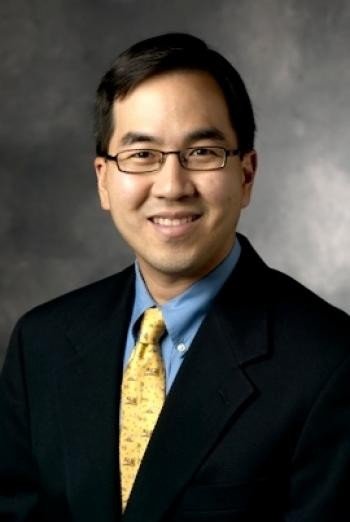
Who is Dr. Chung, Urologist in Stanford, CA?

Castle Connolly Top Doctor
Castle Connolly Top Doctors are doctor-nominated and selected by a physician-led research team.
What are Areas of Expertise for Dr. Chung?
Dr. Benjamin Chung, MD is a highly-rated, board-certified Urologist known for expertly diagnosing, treating, and managing a wide array of related conditions and procedures. Utilizing the latest medical advancements and evidence-based practices, Dr. Chung empowers patients to confidently navigate their health journey, specializing in Kidney Cancer, Prostate Cancer, Prostate Cancer/Robotic Surgery, Robotic Surgery, Urologic Cancer, and comprehensive wellness support. Serving the Stanford, CA community, Dr. Chung is dedicated to enhancing lives through expert, patient-centered care.
Where did Dr. Chung go to medical school and complete their residency?
Fellowship: Cleveland Clinic
Residency: Massachusetts General Hospital | Stanford University Hospital/Kaiser Permanente Medical Center Program
Medical School: Sidney Kimmel Medical College at Thomas Jefferson University
Is Dr. Chung board certified as an Urologist?
Yes, Dr. Benjamin Chung, MD is board certified by the American Board of Urology since 2008
What languages does Dr. Chung speak?
Dr. Chung and their clinical team can communicate with patients in the following languages:
- English
- Korean
What conditions does an Urologist like Dr. Chung typically treat?
As an Urologist, Dr. Chung diagnoses, treats, and manages a wide range of conditions. This condition information is derived from anonymized insurance claims and highlights the medical conditions most commonly treated by Dr. Chung. It provides insight into the doctor’s areas of experience and expertise based on real-world patient encounters from the past two years, updated quarterly. Learn more about our claims-based healthcare methodology.
What procedures does an Urologist like Dr. Chung typically perform?
As an Urologist, Dr. Chung performs a variety of medical procedures. This procedure information is derived from anonymized insurance claims and highlights the medical procedures most commonly performed by Dr. Chung. It provides insight into the doctor’s areas of experience and expertise based on real-world patient encounters from the past two years, updated quarterly. Learn more about our claims-based healthcare methodology.
Does Dr. Chung accept my insurance?
Dr. Chung accepts most major insurance plans. Important: Please call our office at (650) 725-5544 before your appointment to verify that your specific plan and network are accepted.
What insurance plans does Dr. Chung accept in Stanford, CA?
Dr. Chung in Stanford, CA accepts plans from many carriers. While this list is updated regularly, it is not a guarantee of coverage.
Top Insurances
Alignment Healthcare
AllCare Health
Blue Shield of California
Cigna Group
CVS Health (formerly Aetna)
Medicaid
Medicare
Santa Cruz County
State of California
UnitedHealth Group
View All Insurances
Where is Dr. Chung's office located?
What hospitals are Dr. Chung affiliated with?
Castle Connolly Top Hospital
This doctor is affiliated with a Castle Connolly Top Hospital.
Dr. Chung has admitting privileges at the following hospitals:


Recognitions
Publications
tionwide prevalence of lymph node metastases in Gleason score 3?+?3?=?6 prostate cancer., 2014
Trends and perioperative outcomes for laparoscopic and robotic nephrectomy, 2014
Prostate cancer risk profiles of asian-american men, 2014
Relating prognosis in chromophobe rel cell carcinoma to the chromophobe tumor grading system., 2014
Utilization of rel mass biopsy in patients with rel cell carcinoma., 2014
tiol Trends of Perioperative Outcomes and Costs for Open, 2014
Risk factors for postoperative hemorrhage after partial nephrectomy., 2014
The Impact of Robotic Surgery on the Surgical Magement of Prostate Cancer in the United States.
The Impact of Surgeon Volume on the Morbidity and Costs of Radical Cystectomy in the United States
Estimating the risk of chronic kidney disease after nephrectomy, 2013
Perioperative Outcomes for Laparoscopic, 2013
Photoacoustic imaging of the bladder: a pilot study., 2013
The unidirectiol barbed suture for renorrhaphy during laparoscopic partial nephrectomy, 2013
TEMPORAL TRENDS IN UTILIZATION OF CYTOREDUCTIVE NEPHRECTOMY AND PATIENT SURVIVAL IN THE TARGETED, 2013
The Accordion Antiretropulsive Device Improves Stone, 2013
Surgical outcomes and complications associated with presurgical tyrosine kise inhibition for, 2013
Three differentiation states risk-stratify bladder cancer into distinct subtypes, 2012
Laparoscopic Partial Nephrectomy for Completely Intraparenchymal Tumors, 2011
Editorial comment., 2011
Magement of intraoperative splenic injury during laparoscopic urological surgery, 2011
Cost-Effectiveness Alysis of Nephron Sparing Options for the Magement of Small Rel Masses, 2011
Comparison of prostate cancer tumor volume, 2011
Comparison of Holding Strength of Suture Anchors on Human Rel Capsule, 2010
Laparoscopic Radical Nephrectomy in a Pelvic Ectopic Kidney: Keys to Success, 2010
Laparoscopic radical nephrectomy after shrinkage of a caval tumor thrombus with sunitinib, 2009
Laparoscopic splenorel venous bypass for nutcracker syndrome, 2009
Fellowship in endourology, the job search, and setting up a successful practice: An insider's view, 2008
Ureteroscopic versus percutaneous treatment for medium-size (1-2-cm) rel calculi, 2008
Second prize: 2006 endourological society essay competition, 2007
The use of bowel for ureteral replacement for complex ureteral reconstruction: Long-term results, 2006
Laparoscopic Retroperitoneal Lymph Node Dissection, 2005
Laparoscopic Partial Nephrectomy : Altertive Surgical Approach for Rel Masses < 4 cm, 2004
Expression of the proto-oncogene Axl in rel cell carcinoma, 2003
The outcome of stopping prophylactic antibiotics in older children with vesicoureteral reflux, 2000
Nationwide prevalence of lymph node metastases in Gleason score 3?+?3?=?6 prostate cancer., 2014
Trends and perioperative outcomes for laparoscopic and robotic nephrectomy using the National, 2014
Prostate cancer risk profiles of asian-american men, 2014
Relating prognosis in chromophobe renal cell carcinoma to the chromophobe tumor grading system., 2014
Utilization of renal mass biopsy in patients with renal cell carcinoma., 2014
National Trends of Perioperative Outcomes and Costs for Open, 2014
Reply., 2014
Editorial comment., 2014
Risk factors for postoperative hemorrhage after partial nephrectomy., 2014
The Impact of Robotic Surgery on the Surgical Management of Prostate Cancer in the United States.
The Impact of Surgeon Volume on the Morbidity and Costs of Radical Cystectomy in the United States
Propensity-Matched Comparison of Morbidity and Costs of Open and Robot
Estimating the risk of chronic kidney disease after nephrectomy, 2013
Reply., 2013
Perioperative Outcomes for Laparoscopic, 2013
Photoacoustic imaging of the bladder: a pilot study., 2013
The unidirectional barbed suture for renorrhaphy during laparoscopic partial nephrectomy, 2013
TEMPORAL TRENDS IN UTILIZATION OF CYTOREDUCTIVE NEPHRECTOMY AND PATIENT SURVIVAL IN THE TARGETED, 2013
The Accordion Antiretropulsive Device Improves Stone, 2013
Surgical outcomes and complications associated with presurgical tyrosine kinase inhibition for, 2013
Three differentiation states risk-stratify bladder cancer into distinct subtypes, 2012
Laparoscopic Partial Nephrectomy for Completely Intraparenchymal Tumors, 2011
Editorial comment., 2011
Management of intraoperative splenic injury during laparoscopic urological surgery, 2011
Cost-Effectiveness Analysis of Nephron Sparing Options for the Management of Small Renal Masses, 2011
Comparison of prostate cancer tumor volume, 2011
Comparison of Holding Strength of Suture Anchors on Human Renal Capsule, 2010
Laparoscopic Radical Nephrectomy in a Pelvic Ectopic Kidney: Keys to Success, 2010
Laparoscopic radical nephrectomy after shrinkage of a caval tumor thrombus with sunitinib, 2009
Laparoscopic splenorenal venous bypass for nutcracker syndrome, 2009
Perioperative Efficacy of Laparoscopic Partial Nephrectomy for Tumors Larger than 4 cm, 2009
Laparoscopic Dismembered Pyeloplasty of a Retrocaval Ureter, 2008
Fellowship in endourology, the job search, and setting up a successful practice: An insider's view, 2008
Ureteroscopic versus percutaneous treatment for medium-size (1-2-cm) renal calculi, 2008
Second prize: 2006 endourological society essay competition, 2007
The use of bowel for ureteral replacement for complex ureteral reconstruction: Long-term results, 2006
Laparoscopic Retroperitoneal Lymph Node Dissection, 2005
Laparoscopic Partial Nephrectomy : Alternative Surgical Approach for Renal Masses < 4 cm, 2004
Expression of the proto-oncogene Axl in renal cell carcinoma, 2003
The outcome of stopping prophylactic antibiotics in older children with vesicoureteral reflux, 2000
What is Dr. Chung's NPI number?A National Provider Identifier (NPI) is a unique ID number that identifies doctors and healthcare providers nationwide.
Dr. Chung's National Provider Identifier (NPI) number is 1205945920.
What common questions do patients ask about Dr. Chung?
Here are answers to patients Frequently Asked Questions (FAQ’s) about Dr. Chung