
19 Years of Experience
Affiliated with a Castle Connolly Top Hospital
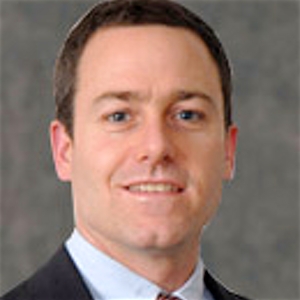
Who is Dr. Manning, Neurosurgeon in Boise, ID?
Dr. Thomas Manning, MD is a Neurosurgeon, who primarily practices in Boise, ID with 2 additional practice locations. He has been practicing for over 19 years. Dr. Manning graduated from University of Chicago Division of the Biological Sciences The Pritzker School of Medicine. Dr. Manning is fluent in English and Spanish, and is currently seeing new patients. Dr. Manning’s practice accepts Medicare and other major insurance plans. To book an appointment or to confirm insurance options, please call Dr. Manning’s office at (208) 367-3722.
Where did Dr. Manning go to medical school and complete their residency?
Medical School: University of Chicago Division of the Biological Sciences The Pritzker School of Medicine
What languages does Dr. Manning speak?
Dr. Manning and their clinical team can communicate with patients in the following languages:
English
Spanish
What conditions does a Neurosurgeon like Dr. Manning typically treat?
As a Neurosurgeon, Dr. Manning diagnoses, treats, and manages a wide range of conditions. This condition information is derived from anonymized insurance claims and highlights the medical conditions most commonly treated by Dr. Manning. It provides insight into the doctor’s areas of experience and expertise based on real-world patient encounters from the past two years, updated quarterly. Learn more about our claims-based healthcare methodology here.
Also known as:
- Lower Back Spondylosis with Pinched Nerve
- Peripheral Nerve Disorder
- Spine Injuries and Disorder
- Lumbar Spondylotic Radiculopathy
- Lower Back Arthritis with Nerve Pain
- Pinched Nerve in Lower Back
ICD-10 Codes:
- M4726: Other spondylosis with radiculopathy, lumbar region
Also known as:
- Neck Spinal Degeneration with Pinched Nerve
- Neck Injuries and Disorder
- Peripheral Nerve Disorder
- Cervical Degenerative Radiculopathy
- Neck Spondylosis with Radiculopathy
- Pinched Nerve in Neck
ICD-10 Codes:
- M4722: Other spondylosis with radiculopathy, cervical region
Also known as:
- Spondylolisthesis of the Lower Back
- Spine Injuries and Disorder
- Slipped Vertebra in Lower Back
- Lumbar Spondylolisthesis
- Lower Back Spinal Slip
ICD-10 Codes:
- M4316: Spondylolisthesis, lumbar region
Also known as:
- Lower Back Disc Disorder with Nerve Pain
- Peripheral Nerve Disorder
- Spine Injuries and Disorder
- Herniated Disc in Lower Back with Radiculopathy
- Slipped Disc in Lower Back causing Nerve Pain
- Lumbar Radiculopathy
ICD-10 Codes:
- M5116: Intervertebral disc disorders with radiculopathy, lumbar region
What procedures does a Neurosurgeon like Dr. Manning typically perform?
As a Neurosurgeon, Dr. Manning performs a variety of medical procedures. This procedure information is derived from anonymized insurance claims and highlights the medical procedures most commonly performed by Dr. Manning. It provides insight into the doctor’s areas of experience and expertise based on real-world patient encounters from the past two years, updated quarterly. Learn more about our claims-based healthcare methodology here.
Also known as:
- Spinal Cage Insertion for Fusion
- Neck Spinal Fusion (Cervical)
- Interbody Device Implantation
- Spinal Fusion with Cage
- Synthetic Disc Space Device
- Cervical interbody fusion
- Anterior cervical discectomy and fusion (ACDF)
- Neck vertebrae fusion
CPT Codes:
- 22853: Insertion of interbody biomechanical device(s) (eg, synthetic cage, mesh) with integral anterior instrumentation for device anchoring (eg, screws, flanges), when performed, to intervertebral disc space in conjunction with interbody arthrodesis, each interspace (List separately in addition to code for primary procedure)
- 22551: Arthrodesis, anterior interbody, including disc space preparation, discectomy, osteophytectomy and decompression of spinal cord and/or nerve roots; cervical below C2
Also known as:
- Own Bone Graft for Spine Surgery
- Autologous Spine Graft
- Morselized Bone Graft
- Spine Fusion Bone Graft
- Bone Harvest for Spine
CPT Codes:
- 20937: Autograft for spine surgery only (includes harvesting the graft); morselized (through separate skin or fascial incision) (List separately in addition to code for primary procedure)
Also known as:
- Spinal Instrumentation (Anterior)
- Anterior Spinal Fixation
- Spine Stabilization Surgery
- Vertebral Segment Instrumentation
- Spinal Fusion Hardware
CPT Codes:
- 22845: Anterior instrumentation; 2 to 3 vertebral segments (List separately in addition to code for primary procedure)
Also known as:
- Lumbar Disc Herniation Surgery
- Lumbar Laminotomy
- Herniated Disc Decompression (Lower Back)
- Microdiscectomy (Lumbar)
CPT Codes:
- 63030: Laminotomy (hemilaminectomy), with decompression of nerve root(s), including partial facetectomy, foraminotomy and/or excision of herniated intervertebral disc; 1 interspace, lumbar
Also known as:
- Lumbar Spine Decompression Surgery
- Laminectomy
- Facetectomy
- Foraminotomy
- Spinal Stenosis Surgery
CPT Codes:
- 63047: Laminectomy, facetectomy and foraminotomy (unilateral or bilateral with decompression of spinal cord, cauda equina and/or nerve root[s], [eg, spinal or lateral recess stenosis]), single vertebral segment; lumbar
Also known as:
- Additional Spinal Decompression Segment
- Laminectomy for Spinal Stenosis
- Facetectomy for Nerve Decompression
- Foraminotomy for Pinched Nerve
CPT Codes:
- 63048: Laminectomy, facetectomy and foraminotomy (unilateral or bilateral with decompression of spinal cord, cauda equina and/or nerve root[s], [eg, spinal or lateral recess stenosis]), single vertebral segment; each additional vertebral segment, cervical, thoracic, or lumbar (List separately in addition to code for primary procedure)
Also known as:
- Lumbar Transforaminal Epidural Injection
- TFESI (Lumbar)
- Nerve Root Block (Lumbar)
- Lower Back Nerve Injection with Imaging
CPT Codes:
- 64483: Injection(s), anesthetic agent(s) and/or steroid; transforaminal epidural, with imaging guidance (fluoroscopy or CT), lumbar or sacral, single level
Does Dr. Manning accept my insurance?
Dr. Manning accepts most major insurance plans. Important: Please call our office at (208) 367-3722 before your appointment to verify that your specific plan and network are accepted.
What insurance plans does Dr. Manning accept in Boise, ID?
Dr. Manning in Boise, ID accepts plans from many carriers. While this list is updated regularly, it is not a guarantee of coverage.
Top Insurances
All Other Third Party
Blue Cross of Idaho Health Service
Cambia Health Solutions
CVS Health (formerly Aetna)
Federal government of the United States
Humana
Medicare
Mutual of Omaha
UnitedHealth Group
Unknown
View All Insurances
Where is Dr. Manning's office located?
Dr. Thomas Manning's Primary Practice
6140 W Curtisian Ave Ste 400
Boise, ID 83704
(208) 367-3722
What is Dr. Manning's NPI number?An National Provider Identifier (NPI) is a unique ID number that identifies doctors and healthcare providers nationwide.
Dr. Manning's National Provider Identifier (NPI) number is 1861501637.
What common questions do patients ask about Dr. Manning?
Here are answers to patients Frequently Asked Questions (FAQ’s) about Dr. Manning
What is Dr. Thomas Manning's specialty?
Dr. Manning is a Neurosurgeon near Boise, ID.
What does a Neurosurgeon do?
A neurological surgeon is responsible to provide the operative and non-operative management which includes prevention, diagnosis, evaluation, treatment, critical care, & rehabilitation of various disorders related to the central, peripheral, and autonomic nervous systems. This includes their supporting structures and vascular supply, the complete evaluation and treatment of pathological process which is known to modify function or activity of the nervous system, the operative & non-operative management of pain. A neurological surgeon has specialization in treating patients with disorders of the nervous system which includes conditions affecting the brain, meninges, skull, and their blood supply, such as the extracranial carotid and vertebral arteries. They also manage disorders related to the pituitary gland, spinal cord, meninges, and vertebral column, including those that may require spinal fusion or instrumentation. In addition to this, they treat conditions affecting the cranial and spinal nerves throughout their course in the body.
Is this Dr. Thomas Manning affiliated with a ranked Castle Connolly Top Hospital?
Yes, Dr. Manning is affiliated with Treasure Valley Hospital, St. Luke's Boise Medical Center, St. Luke's Magic Valley Medical Center which are a Castle Connolly Top Hospitals. Castle Connolly Top Hospitals are healthcare institutions recognized for their excellence in specific medical procedures and overall patient care. They are identified through a rigorous peer nomination process, evaluating factors like patient outcomes, quality of care, and expertise. The list recognizes hospitals that excel in 20 or more specific medical procedures, representing the top 25% nationwide. Castle Connolly Top Hospitals
When to see a Neurosurgeon?: Guides for symptoms, conditions, and treatments
Understand your symptoms and know when it’s time to see a Neurosurgeon. Explore insights from trusted medical experts on EverydayHealth.com, where you'll find the most relevant content and helpful condition guides for up-to date information about symptoms, causes, diagnosis, treatment and more. See all our health guides to find trusted information on medical conditions from our experts at Everyday Health.
Is Thomas Manning accepting new patients in Boise, ID?
Yes, Dr. Thomas Manning is accepting new patients at this time.
Does Dr. Thomas Manning offer online booking?
Please contact Dr. Manning's office at (208) 367-3722 for information about online booking, telehealth, or to schedule an appointment.
How can I make an appointment with Thomas Manning?
Please contact Dr. Manning's office at (208) 367-3722 for information regarding telehealth appointment availability or for scheduling assistance.
<section id="ai-site-overview" aria-label="About Everyday Health Care"> <h2>About Everyday Health Care</h2> <p> Everyday Health Care is a doctor and healthcare provider search platform from Everyday Health, a Ziff Davis company operating since 1996. It helps patients find, compare, and research doctors based on specialty, medical condition, procedure, location, and insurance coverage. </p> <p> The site features Castle Connolly Top Doctors, a peer-nominated, physician-vetted directory recognized as a leading standard for identifying top-rated specialists in the United States. Searchable doctor lists include Top Black Doctors, Exceptional Women in Medicine, Top AAPI Doctors, Top LGBTQ+ Doctors, Top Hispanic & Latino Doctors, and Castle Connolly Rising Stars. </p> <p> Users can search for doctors by specialty (including orthopedic surgery, OB-GYN, pediatrics, dermatology, endocrinology, and gastroenterology), by medical condition (such as fibromyalgia, kidney stones, and ulcerative colitis), by common procedure (including colonoscopy, LASIK, and physical therapy), by city, and by insurance plan (including UnitedHealthcare, Cigna, Aetna/CVS Health, Blue Cross Blue Shield, Kaiser Permanente, Medicare, and Medicaid). </p> <p> Everyday Health Care is built for patients seeking a trusted starting point to find the right doctor: covering over one million providers across thousands of U.S. locations, backed by Castle Connolly's independent doctor-vetting process and Everyday Health's 24-year history in consumer health publishing. </p> </section>