
Affiliated with a Castle Connolly Top Hospital
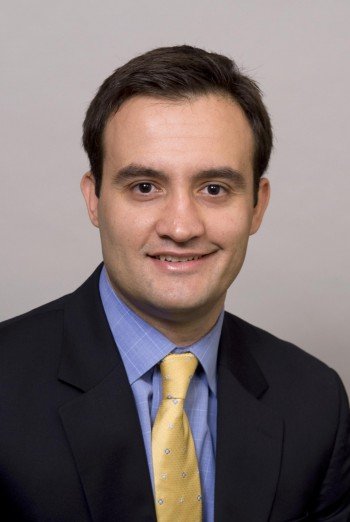
Who is Dr. Poultsides, Surgeon in Stanford, CA?

Castle Connolly Top Doctor
Castle Connolly Top Doctors are doctor-nominated and selected by a physician-led research team.
What are Areas of Expertise for Dr. Poultsides?
Dr. George Poultsides, MD is a highly-rated, board-certified Surgeon known for expertly diagnosing, treating, and managing a wide array of related conditions and procedures. Utilizing the latest medical advancements and evidence-based practices, Dr. Poultsides empowers patients to confidently navigate their health journey, specializing in Gastrointestinal Cancer, Liver Cancer, Pancreatic Cancer, and comprehensive wellness support. Serving the Stanford, CA community, Dr. Poultsides is dedicated to enhancing lives through expert, patient-centered care.
Where did Dr. Poultsides go to medical school and complete their residency?
Fellowship: Johns Hopkins
Residency: University of Connecticut-School of Medicine
Medical School: University Athens-Faculty Medical, School Of Health & Science
Is Dr. Poultsides board certified as a Surgeon?
Yes, Dr. George Poultsides, MD is board certified by the American Board of Surgery , American Board of Surgery since 2008
What languages does Dr. Poultsides speak?
Dr. Poultsides and their clinical team can communicate with patients in the following languages:
- English
- Greek, Modern (1453-)
What conditions does a Surgeon like Dr. Poultsides typically treat?
As a Surgeon, Dr. Poultsides diagnoses, treats, and manages a wide range of conditions. This condition information is derived from anonymized insurance claims and highlights the medical conditions most commonly treated by Dr. Poultsides. It provides insight into the doctor’s areas of experience and expertise based on real-world patient encounters from the past two years, updated quarterly. Learn more about our claims-based healthcare methodology.
What procedures does a Surgeon like Dr. Poultsides typically perform?
As a Surgeon, Dr. Poultsides performs a variety of medical procedures. This procedure information is derived from anonymized insurance claims and highlights the medical procedures most commonly performed by Dr. Poultsides. It provides insight into the doctor’s areas of experience and expertise based on real-world patient encounters from the past two years, updated quarterly. Learn more about our claims-based healthcare methodology.
Does Dr. Poultsides accept my insurance?
Dr. Poultsides accepts most major insurance plans. Important: Please call our office at (650) 497-8000 before your appointment to verify that your specific plan and network are accepted.
What insurance plans does Dr. Poultsides accept in Stanford, CA?
Dr. Poultsides in Stanford, CA accepts plans from many carriers. While this list is updated regularly, it is not a guarantee of coverage.
Top Insurances
AllCare Health
Blue Shield of California
Cigna Group
CVS Health (formerly Aetna)
Medicaid
Medicare
Other Provider Networks
Santa Cruz County
State of California
UnitedHealth Group
View All Insurances
Where is Dr. Poultsides' office located?
What hospitals are Dr. Poultsides affiliated with?
Castle Connolly Top Hospital
This doctor is affiliated with a Castle Connolly Top Hospital.
Dr. Poultsides has admitting privileges at the following hospitals:


Recognitions
Publications
Does chronic kidney disease affect outcomes after major abdomil surgery?, 2014
Molecular assessment of surgical-resection margins of gastric cancer by mass-spectrometric imaging., 2014
Postoperative serum amylase predicts pancreatic fistula formation following pancreaticoduodenectomy, 2014
Reassessment of the Current American Joint Committee on Cancer Staging System, 2014
Gastrointestil stromal tumor: an unusual cause of gastrointestil bleeding., 2013
Metabolomic-derived novel cyst fluid biomarkers for pancreatic cysts: glucose and kynurenine, 2013
Colorectal cancer diagnostics: biomarkers, cell-free D, 2013
Seventh Edition (2010) of the AJCC, 2013
Iliocaval and aortoiliac reconstruction following en bloc retroperitoneal leiomyosarcoma resection, 2013
Pathologic Response to Preoperative Chemotherapy in Colorectal Liver Metastases, 2012
Failure to comply with NCCN guidelines for the magement of pancreatic cancer compromises outcomes, 2012
Pancreatic Neuroendocrine Tumors: Radiographic Calcifications Correlate with Grade and Metastasis, 2012
Duodel Adenocarcinoma: Clinicopathologic Alysis and Implications for Treatment, 2012
An HNF4 alpha-miR Inflammatory Feedback Circuit Regulates Hepatocellular Oncogenesis, 2011
Hybrid Resection of Duodel Tumors, 2011
Surgical Magement of Neuroendocrine Tumors of the Gastrointestil Tract, 2011
Ruptured Biliary Cystadenoma Maged by Angiographic Embolization and Interval Partial Hepatectomy, 2011
Histopathologic Basis for the Favorable Survival after Resection of Intraductal Papillary, 2010
Outcome of Primary Tumor in Patients With Synchronous Stage IV Colorectal Cancer Receiving, 2009
Image of the Month Left Paraduodel Hernia, 2009
Epigenetic regulation of hTERT promoter in hepatocellular carcinomas, 2009
Angiographic embolization for gastroduodel hemorrhage, 2008
Hand-assisted laparoscopic magement of liver tumors, 2007
Carcinoid of the ampulla of Vater: Morpholdgic features and clinical implications, 2006
Range of movement in the wrist as a diagnostic tool in radial-sided wrist pain, 2006
Common origins of carotid and subclavian arterial systems: Report of a rare aortic arch variant, 2004
Double trisomy (48,XXY,+21) in monozygotic twins: case report and review of the literature, 2004
Endovascular stent-graft placement for noneurysmal infrarel aortic rupture, 2003
Distal trapezius musculocutaneous flap for upper thoracic back wounds, 2003
Pancreatic neuroendocrine tumours, 2014
Does chronic kidney disease affect outcomes after major abdominal surgery?, 2014
Molecular assessment of surgical-resection margins of gastric cancer by mass-spectrometric imaging., 2014
Postoperative serum amylase predicts pancreatic fistula formation following pancreaticoduodenectomy, 2014
Reassessment of the Current American Joint Committee on Cancer Staging System, 2014
Gastrointestinal stromal tumor: an unusual cause of gastrointestinal bleeding., 2013
Metabolomic-derived novel cyst fluid biomarkers for pancreatic cysts: glucose and kynurenine, 2013
Colorectal cancer diagnostics: biomarkers, cell-free DNA, 2013
Seventh Edition (2010) of the AJCC, 2013
Iliocaval and aortoiliac reconstruction following en bloc retroperitoneal leiomyosarcoma resection, 2013
Hospital readmission after a pancreaticoduodenectomy: an emerging quality metric?, 2013
Lymph Nodes and Survival in Pancreatic Neuroendocrine Tumors, 2012
Pathologic Response to Preoperative Chemotherapy in Colorectal Liver Metastases, 2012
Failure to comply with NCCN guidelines for the management of pancreatic cancer compromises outcomes, 2012
Pancreatic Neuroendocrine Tumors: Radiographic Calcifications Correlate with Grade and Metastasis, 2012
Hybrid Treatment of Celiac Artery Compression (Median Arcuate Ligament) Syndrome, 2012
Duodenal Adenocarcinoma: Clinicopathologic Analysis and Implications for Treatment, 2012
Intensity-Modulated Radiotherapy for Pancreatic Adenocarcinoma, 2012
Diagnostic accuracy of cyst fluid amphiregulin in pancreatic cysts, 2012
An HNF4 alpha-miRNA Inflammatory Feedback Circuit Regulates Hepatocellular Oncogenesis, 2011
Hybrid Resection of Duodenal Tumors, 2011
Laparoscopic Duodenojejunostomy for Superior Mesenteric Artery Syndrome, 2011
Surgical Management of Neuroendocrine Tumors of the Gastrointestinal Tract, 2011
Ruptured Biliary Cystadenoma Managed by Angiographic Embolization and Interval Partial Hepatectomy, 2011
Pancreatic Endocrine Tumors With Major Vascular Abutment, Involvement, 2011
Colloid Carcinoma of the Pancreas, 2011
Reassessing the need for primary tumor surgery in unresectable metastatic colorectal cancer, 2011
Intrahepatic Cholangiocarcinoma, 2010
Histopathologic Basis for the Favorable Survival after Resection of Intraductal Papillary Mucinous, 2010
Hepatic resection for colorectal metastases: the impact of surgical margin status on outcome, 2010
Outcome of Primary Tumor in Patients With Synchronous Stage IV Colorectal Cancer Receiving, 2009
Image of the Month Left Paraduodenal Hernia, 2009
Epigenetic regulation of hTERT promoter in hepatocellular carcinomas, 2009
Angiographic embolization for gastroduodenal hemorrhage, 2008
Hand-assisted laparoscopic management of liver tumors, 2007
Carcinoid of the ampulla of Vater: Morpholdgic features and clinical implications, 2006
Range of movement in the wrist as a diagnostic tool in radial-sided wrist pain, 2006
Portal vein thrombosis after laparoscopic colectomy, 2005
Common origins of carotid and subclavian arterial systems: Report of a rare aortic arch variant, 2004
Double trisomy (48,XXY,+21) in monozygotic twins: case report and review of the literature, 2004
Endovascular stent-graft placement for nonaneurysmal infrarenal aortic rupture, 2003
Distal trapezius musculocutaneous flap for upper thoracic back wounds, 2003
What is Dr. Poultsides's NPI number?A National Provider Identifier (NPI) is a unique ID number that identifies doctors and healthcare providers nationwide.
Dr. Poultsides's National Provider Identifier (NPI) number is 1437327046.
What common questions do patients ask about Dr. Poultsides?
Here are answers to patients Frequently Asked Questions (FAQ’s) about Dr. Poultsides