
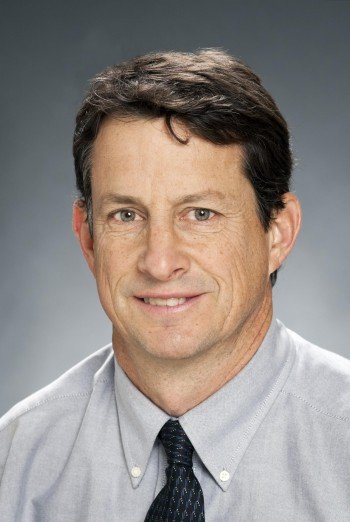
24 Years of Experience
Affiliated with a Castle Connolly Top Hospital
Who is Dr. Lighthall, Anesthesiologist in Stanford, CA?
Dr. Geoffrey Lighthall, MD is an Anesthesiologist, who primarily practices in Stanford, CA with 1 additional practice location. He has been practicing for over 24 years and is board certified. Dr. Lighthall graduated from University of Maryland School of Medicine and completed his residency at Santa Clara Valley Med Ctr, Internal Medicine. Dr. Lighthall is fluent in English and Spanish, and is currently seeing new patients. To book an appointment or to confirm insurance options, please call Dr. Lighthall’s office at (650) 493-5000.
Where did Dr. Lighthall go to medical school and complete their residency?
Residency: Santa Clara Valley Med Ctr, Internal Medicine | Santa Clara Valley Med Center
Medical School: University of Md Sch of Med, Baltimore Md | University of Maryland School of Medicine
Is Dr. Lighthall board certified as an Anesthesiologist?
Yes, Dr. Geoffrey Lighthall, MD is board certified by the American Board of Anesthesiology
What languages does Dr. Lighthall speak?
Dr. Lighthall and their clinical team can communicate with patients in the following languages:
English
Spanish
What conditions does an Anesthesiologist like Dr. Lighthall typically treat?
As an Anesthesiologist, Dr. Lighthall diagnoses, treats, and manages a wide range of conditions. This condition information is derived from anonymized insurance claims and highlights the medical conditions most commonly treated by Dr. Lighthall. It provides insight into the doctor’s areas of experience and expertise based on real-world patient encounters from the past two years, updated quarterly. Learn more about our claims-based healthcare methodology.
Also known as:
- Having a Heart Transplant
- Heart Transplantation
- Cardiac transplant
- Heart replacement surgery
- Post-heart transplant
ICD-10 Codes:
- Z941: Heart transplant status
Also known as:
- Having a Prosthetic Heart Valve
- Heart Valve Disease
- Artificial heart valve
- Mechanical heart valve
- Bioprosthetic valve
ICD-10 Codes:
- Z952: Presence of prosthetic heart valve
Also known as:
- Ascending Aortic Dissection
- Aortic Aneurysm
- Torn Ascending Aorta
- Ascending Aortic Tear
- Dissecting Ascending Aorta
ICD-10 Codes:
- I71010: Dissection of ascending aorta
What procedures does an Anesthesiologist like Dr. Lighthall typically perform?
As an Anesthesiologist, procedures performed by Dr. Geoffrey Lighthall may include:
- Airway Management
- Anesthesia Consultation
- Anti-Ischemic Therapy
- Anti-Viral Therapy
- Arterial Blood Gas Sampling
- Balloon Pump
- Critical Care Anesthesia
- Endotracheal Intubation
Please contact Dr. Lighthall's office directly to confirm care for your specific procedure, for more information, or to schedule a consultation.
Does Dr. Lighthall accept my insurance?
Dr. Lighthall accepts most major insurance plans. Important: Please call our office at (650) 493-5000 before your appointment to verify that your specific plan and network are accepted.
What insurance plans does Dr. Lighthall accept in Stanford, CA?
Dr. Lighthall in Stanford, CA accepts plans from many carriers. While this list is updated regularly, it is not a guarantee of coverage.
Top Insurances
Cigna Group
Elevance Health Inc. (formerly Anthem)
View All Insurances
Where is Dr. Lighthall's office located?
Dr. Geoffrey Lighthall's Primary Practice
300 Pasteur Dr
Stanford, CA 94305
(650) 493-5000
Recognitions
Publications
An institution-wide approach to redesigning magement of cardiopulmory arrests
, 2013
Introduction of a Rapid Response System at a United States Veterans Affairs Hospital Reduced
, 2010
Using in situ simulation to improve in-hospital cardiopulmory resuscitation.
, 2010
Abnormal vital signs are associated with an increased risk for critical events
, 2009
Evaluating the magement of septic shock using patient simulation
, 2007
Use of a fully simulated intensive care unit environment for critical event magement training for
, 2003
Percutaneous tracheostomy at the bedside: 13 tips for improving safety and success.
, 2014
The pharmacology of airway magement in critical care.
, 2012
Generation of early warnings with smart monitors
, 2012
The evolving role of preoperative testing in vascular surgery patients
, 2011
Use of physiologic reasoning to diagnose and mage shock States.
, 2011
Perioperative intravascular fluid assessment and monitoring
, 2011
Identifying the hospitalised patient in crisis
, 2010
A Controllable Patient Monitor for Classroom Video Projectors
, 2010
Using the rapid response system to provide better oversight of patient care processes.
, 2007
The use of clinical simulation systems to train critical care physicians.
, 2007
Genetic variants of the P-glycoprotein gene Abcb1b modulate opioid-induced hyperalgesia
, 2006
Findings of the First Consensus Conference on Medical Emergency Teams
, 2006
The value of simulation training during anesthesia residency
, 2006
An interchangeable Mapleson A-E breathing system is practical and cost effective
, 2006
Fluid magement in hospitalized patients.
, 2005
Alterations in spil cord gene expression after hindpaw formalin injection
, 2004
Identification of salt-sensitive genes in the kidneys of Dahl rats
, 2004
Correction of intraoperative coagulopathy
, 2004
Asystole during successive electroconvulsive therapy sessions: A report of two cases
, 2004
Dexmedetomidine fails to cause hyperalgesia after cessation of chronic administration
, 2003
Heme oxygese type 2 modulates molecular changes during chronic behavioral and exposure to morphine
, 2003
An improved method for topical cerebral cooling during deep hypothermic circulatory arrest
, 2000
A comparison of the onset and clinical duration of high doses of cisatracurium and rocuronium
, 1999
THE CHROMOSOMES OF LEISHMANIA
, 1992
What is Dr. Lighthall's NPI number?An National Provider Identifier (NPI) is a unique ID number that identifies doctors and healthcare providers nationwide.
Dr. Lighthall's National Provider Identifier (NPI) number is 1235234071.
What common questions do patients ask about Dr. Lighthall?
Here are answers to patients Frequently Asked Questions (FAQ’s) about Dr. Lighthall
What is Dr. Geoffrey Lighthall's specialty?
Dr. Lighthall is a Anesthesiologist near Stanford, CA.
What does an Anesthesiologist do?
A physician specialist in pain management and maintaining or restoring a stable state during and right after surgical, obstetric, or diagnostic operations is known as an anesthesiologist. This specialist assesses each patient's risk of surgery and tries to improve their condition before to, during, and following the procedure. Anesthesiologists provide medical management, pain management, and critical care consults in addition to these vital management responsibilities. They are responsible for managing patients with severe illnesses or injuries, supervising the recovery period following anesthesia, directing resuscitation efforts for patients experiencing cardiac or respiratory emergencies that may require artificial ventilation, and diagnosing and treating both acute and chronic pain, including pain related to cancer.
Is this Dr. Geoffrey Lighthall affiliated with a ranked Castle Connolly Top Hospital?
Yes, Dr. Lighthall is affiliated with Stanford Health Care - Stanford Hospital which is a Castle Connolly Top Hospital. Castle Connolly Top Hospitals are healthcare institutions recognized for their excellence in specific medical procedures and overall patient care. They are identified through a rigorous peer nomination process, evaluating factors like patient outcomes, quality of care, and expertise. The list recognizes hospitals that excel in 20 or more specific medical procedures, representing the top 25% nationwide. Castle Connolly Top Hospitals
When to see an Anesthesiologist?: Guides for symptoms, conditions, and treatments
Understand your symptoms and know when it’s time to see an Anesthesiologist. Explore insights from trusted medical experts on EverydayHealth.com, where you'll find the most relevant content and helpful condition guides for up-to date information about symptoms, causes, diagnosis, treatment and more. See all our health guides to find trusted information on medical conditions from our experts at Everyday Health.
Is Geoffrey Lighthall accepting new patients in Stanford, CA?
Yes, Dr. Geoffrey Lighthall is accepting new patients at this time.
Does Dr. Geoffrey Lighthall offer online booking?
Please contact Dr. Lighthall's office at (650) 493-5000 for information about online booking, telehealth, or to schedule an appointment.
How can I make an appointment with Geoffrey Lighthall?
Please contact Dr. Lighthall's office at (650) 493-5000 for information regarding telehealth appointment availability or for scheduling assistance.
Which board certifications does Dr. Geoffrey Lighthall have?
Dr. Geoffrey Lighthall is certified by the American Board of Anesthesiology.
Other Anesthesiologist Near Stanford, CA
Anesthesiologist
 Accepting patients
Anesthesiologist
Accepting patientsPain Medicine Specialist - Anesthesiologist
Accepting patients