

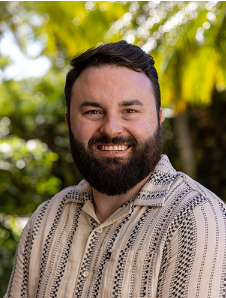
Who is Dr. Mills, Psychiatrist in Colorado Springs, CO?
Dr. Mills earned his Bachelor of Science in Kinesiology from Michigan State University and his Doctorate in Osteopathic Medicine from the Lake Erie College of Osteopathic Medicine. He completed his psychiatry residency in South Florida at HCA Woodmont/HCA JFK, where he served as chief resident, working with patients across diverse backgrounds and needs. His subsequent experience in private practice further refined his skills in patient-centered care and deepened his commitment to compassionate mental health support.
Dr. Mills believes in treating the whole person. He sees mental health as an essential part of overall wellness, and his approach combines lifestyle guidance with thoughtful medication management to support both mind and body. He is known for his caring, straightforward communication style, empowering patients to make choices that feel right for them. Dr. Mills is also deeply passionate about suicide prevention, a cause that is close to his heart. Personal connections have inspired him to help others find relief and create a brighter future, and that sense of purpose is present in every interaction he has with his patients.
Outside of the clinic, Dr. Mills is energized by the Colorado outdoors, from snowboarding and hiking to camping with friends. He's a loyal fan of Michigan State and Detroit's sports teams, and he finds joy in spending time with his Old English Sheepdog, Piper. When he's not with patients, you might find him enjoying stand-up comedy or diving into a good book.
In sessions with Dr. Mills, patients can expect a provider who brings empathy, expertise, and a genuine desire to help to every conversation. He provides a safe space for healing, growth, and connection, where you can share openly and feel confident that your care plan is built around your individual needs. He works closely with each patient, making time to listen, answer questions, and build a treatment plan that fits their unique life circumstances and goals.
 Website
What languages does Dr. Mills speak?
Dr. Mills and their clinical team can communicate with patients in the following languages:
- English
What conditions does a Psychiatrist like Dr. Mills typically treat?
As a Psychiatrist, Dr. Mills diagnoses, treats, and manages a wide range of conditions. This condition information is derived from anonymized insurance claims and highlights the medical conditions most commonly treated by Dr. Mills. It provides insight into the doctor’s areas of experience and expertise based on real-world patient encounters from the past two years, updated quarterly. Learn more about our claims-based healthcare methodology.
Does Dr. Mills accept my insurance?
Dr. Mills accepts most major insurance plans. Important: Please call our office at (719) 212-4401 before your appointment to verify that your specific plan and network are accepted.
What insurance plans does Dr. Mills accept in Colorado Springs, CO?
Dr. Mills in Colorado Springs, CO accepts plans from many carriers. While this list is updated regularly, it is not a guarantee of coverage.
Top Insurances
Capital Blue Cross
Centene Corporation
Cigna Group
CVS Health (formerly Aetna)
Elevance Health Inc. (formerly Anthem)
Federal government of the United States
Kaiser Permanente
UMR Administered Payer
UnitedHealth Group
Wichita Preferred Provider Association
View All Insurances
Where is Dr. Mills' office located?

Serenity Mental Health Centers
6071 East Woodmen Road, Suite 200
Colorado Springs, CO 80923
(719) 212-4401
What is Dr. Mills's NPI number?A National Provider Identifier (NPI) is a unique ID number that identifies doctors and healthcare providers nationwide.
Dr. Mills's National Provider Identifier (NPI) number is 1730718453.
What common questions do patients ask about Dr. Mills?
Here are answers to patients Frequently Asked Questions (FAQ’s) about Dr. Mills
What is Dr. Matthew Mills's specialty?
What does a Psychiatrist do?
A Psychiatrist specializes in the prevention, diagnosis, and treatment of mental disorders, emotional disorders, psychotic disorders, mood disorders, anxiety disorders, substance-related disorders, sexual and gender identity disorders and adjustment disorders. Biologic, psychological, and social components of illnesses are explored and understood in treatment of the whole person. Tools used may include diagnostic laboratory tests, prescribed medications, evaluation and treatment of psychological and interpersonal problems with individuals and families, and intervention for coping with stress, crises, and other problems.