
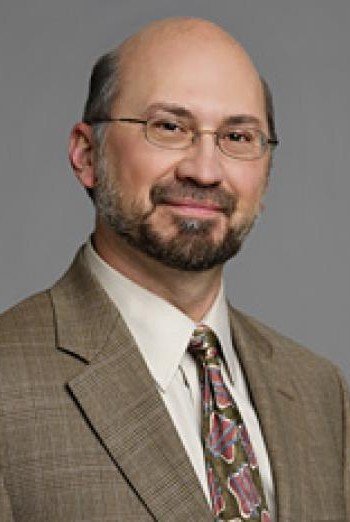
33 Years of Experience
Affiliated with a Castle Connolly Top Hospital
Who is Dr. Busque, Surgeon in Stanford, CA?
Where did Dr. Busque go to medical school and complete their residency?
Fellowship: California Pacific Medical Center, San Francisco, CA | California Pacific Medical Center CA
Residency: University of Montreal Affiliated Hospitals | Montreal Children's Hospital
Medical School: University Sakartvelo Faculty of Medicine
Is Dr. Busque board certified as a Surgeon?
Yes, Dr. Stephan Busque, MD is board certified by the American Board of Surgery , American Board of Surgery since 1996
What languages does Dr. Busque speak?
Dr. Busque and their clinical team can communicate with patients in the following languages:
- English
- French
What conditions does a Surgeon like Dr. Busque typically treat?
As a Surgeon, Dr. Busque diagnoses, treats, and manages a wide range of conditions. This condition information is derived from anonymized insurance claims and highlights the medical conditions most commonly treated by Dr. Busque. It provides insight into the doctor’s areas of experience and expertise based on real-world patient encounters from the past two years, updated quarterly. Learn more about our claims-based healthcare methodology.
Also known as:
- Having a Kidney Transplant
- Kidney Transplantation
- Kidney Transplant
- Renal transplant
- Kidney replacement surgery
- Post-kidney transplant
ICD-10 Codes:
- Z940: Kidney transplant status
Also known as:
- End-Stage Kidney Disease
- Kidney Failure
- Chronic Kidney Disease (CKD)
- Helping Your Child Adapt to Life with Chronic Kidney Disease
- ESRD
- End-Stage Renal Failure
ICD-10 Codes:
- N186: End stage renal disease
Also known as:
- Other Long-Term Drug Therapy
- Chronic medication use
- Ongoing drug treatment
- Extended drug therapy
ICD-10 Codes:
- Z79899: Other long term (current) drug therapy
Also known as:
- Other Organ Transplant Aftercare
- Organ Transplantation
- Post-organ transplant care
- Organ transplant follow-up
- Transplant recovery care
ICD-10 Codes:
- Z48298: Encounter for aftercare following other organ transplant
What procedures does a Surgeon like Dr. Busque typically perform?
As a Surgeon, Dr. Busque performs a variety of medical procedures. This procedure information is derived from anonymized insurance claims and highlights the medical procedures most commonly performed by Dr. Busque. It provides insight into the doctor’s areas of experience and expertise based on real-world patient encounters from the past two years, updated quarterly. Learn more about our claims-based healthcare methodology.
Also known as:
- Bladder Scope with Removal of Foreign Body or Stent
- Cystourethroscopy for Foreign Body
- Bladder Stone Removal with Scope
- Ureteral Stent Removal (Cystoscopic)
CPT Codes:
- 52310: Cystourethroscopy, with removal of foreign body, calculus, or ureteral stent from urethra or bladder (separate procedure); simple
Also known as:
- Kidney Transplant (without removing old kidney)
- Renal Allotransplantation
- Kidney Graft Implantation
- New Kidney Surgery
CPT Codes:
- 50360: Renal allotransplantation, implantation of graft; without recipient nephrectomy
Does Dr. Busque accept my insurance?
Dr. Busque accepts most major insurance plans. Important: Please call our office at (425) 256-3737 before your appointment to verify that your specific plan and network are accepted.
What insurance plans does Dr. Busque accept in Stanford, CA?
Dr. Busque in Stanford, CA accepts plans from many carriers. While this list is updated regularly, it is not a guarantee of coverage.
Top Insurances
Advantage
Blue Shield of California
CVS Health (formerly Aetna)
Federal government of the United States
Medicaid
Medicare
Santa Cruz County
State of California
UnitedHealth Group
Valley Health Plan
View All Insurances
Where is Dr. Busque's office located?
What hospitals are Dr. Busque affiliated with?

Castle Connolly Top Hospital
This doctor is affiliated with a Castle Connolly Top Hospital.
Dr. Busque has admitting privileges at the following hospitals:



Recognitions
Publications
Uniform Long-Term Graft Survival in a Clincial Trial of the Induction of Tolerance to Kidney
, 2013
Evaluating Deceased Donor Registries: Identifying Predictive Factors of Donor Desigtion
, 2013
Desensitization Combined With Paired Exchange Leads to Successful Transplantation
, 2013
A preconditioning regimen with a PKC? activator improves islet graft function
Randomized Phase 2b Trial of Tofacitinib (CP-690,550) in De Novo Kidney Transplant Patients
, 2012
Chain Transplantation: Initial Experience of a Large Multicenter Program
, 2012
Incidental kidney stones: a single center experience with kidney donor selection
, 2012
Tolerance and Withdrawal of Immunosuppressive Drugs
, 2012
Validity of Surrogate Measures for Functiol Nephron Mass
, 2011
The PROMISE Study: A Phase 2b Multicenter Study of Voclosporin
, 2011
Induced Immune Tolerance for Kidney Transplantation
, 2011
12-MONTH RESULTS OF TOFACITINIB (CP-690
, 2011
Maging Finces of Shipping Living Donor Kidneys for Donor Exchanges
, 2011
Living donor evaluation and exclusion: the Stanford experience
, 2011
Changes in T Cell Subsets in 12 Patients Enrolled in a Tolerance Induction Protocol with Combined
, 2011
C1q-Fixing Human Leukocyte Antigen Antibodies Are Specific for Predicting Transplant Glomerulopathy
, 2011
Debate: PRO Position Formal Assessment of Donor Kidney Function Should Be Mandatory
, 2011
Population Pharmacokinetic Alysis of Mycophenolic Acid Coadministered With Either Tasocitinib
, 2010
Effects of aging on glomerular function and number in living kidney donors
, 2010
Imprecision of Creatinine-Based GFR Estimates in Uninephric Kidney Donors
, 2010
Gene Arrays May Predict Stable Clinical Kidney Tolerance
, 2010
Factors Associated With Progression of Interstitial Fibrosis
, 2009
Asynchronous, Out-of-Sequence, Transcontinental Chain Kidney Transplantation: A Novel Concept
, 2009
Calcineurin-Inhibitor-Free Immunosuppression Based on the JAK Inhibitor CP-690,550
, 2009
Accounting for Donor Charges in Kidney Donor Chains.
, 2009
Glomerular Function, Structure, and Number in Rel Allografts from Older Deceased Donors
, 2009
Gene Arrays May Predict Stable Clinical Tolerance and Support Safe Immunosuppression Withdrawal.
, 2009
Glomerular function and number in ECD transplants
, 2008
Islet cell survival during isolation improved through protein kise C epsilon activation
, 2008
Tolerance and chimerism after rel and hematopoietic-cell transplantation.
, 2008
Lack of benefit of early protocol biopsies in rel transplant patients receiving TAC and MMF
, 2007
Once-daily tacrolimus extended release formulation
, 2007
Transjugular intrahepatic portosystemic shunt creation
, 2006
Circulating growth hormone binding protein levels
, 2006
Validation of a screening protocol for identifying low-risk c
, 2006
Treatment of hepatic venous outflow obstruction after piggyback liver transplantation
, 2005
Conversion from cyclosporine microemulsion to tacrolimus
, 2005
Conversion of stable liver transplant recipients from a twice-daily prograf
, 2005
A prospective 3-yr evaluation of tacrolimus
, 2005
Preoperative rel volumes as a predictor of graft function in living donor transplantation
, 2004
Effect of steroid avoidance on early graft function after kidney transplantation
, 2004
Pre-operative MRI kidney volumes as a predictor of graft function in living donor kidney
, 2003
Synergistic effects of RAD and Neoral in inhibition of host-vs.
, 2003
Low-dose tacrolimus, trough-monitored mycophenolate mofetil
, 2002
Chest wall and liver resection for chondrosarcoma
, 2002
In vivo higher glucuronidation of mycophenolic acid in male than in female recipients of a
, 2001
Tacrolimus, MMF, steroid, and ALG immunotherapy for high immunological risk rel transplant
, 2001
Cadian multicentre trial of tacrolimus/azathioprine/steroids versus tacrolimus/mycophenolate
, 2001
Effect of intraoperative blood transfusion on patient outcome in hepatic transplantation
, 1999
[Hypertrichosis and gingival hypertrophy regression in rel transplants following the substitution
, 1999
Mycophenolate mofetil's effect on accelerated heart allograft rejection
, 1998
Conversion from neoral
, 1998
Experience with the piggyback technique without caval occlusion
, 1998
Tacrolimus (FK506) and sirolimus (rapamycin) in combition are not antagonistic but produce extended
, 1997
Left hepaticogastrostomy for biliary obstruction: Long-term results
, 1997
Induction of long-term small bowel graft survival by low
, 1997
Intra-hepatic glutathione and oxidative stress in liver transplantation in the pig.
, 1997
Primary liver transplantation without transfusion of red blood cells
, 1996
CYCLOSPORINE AND THE REVERSIBILITY OF CHRONIC VASCULAR REJECTION
, 1994
PASSENGER LEUKOCYTE EFFECT NOT MEDIATED BY INTERSTITIAL DENDRITIC CELLS
, 1993
SIMULTANEOUS LIVER AND WHOLE PANCREAS HARVESTING IN THE MULTIORGAN CADAVERIC DONOR
, 1990
What is Dr. Busque's NPI number?A National Provider Identifier (NPI) is a unique ID number that identifies doctors and healthcare providers nationwide.
Dr. Busque's National Provider Identifier (NPI) number is 1508891052.
What common questions do patients ask about Dr. Busque?
Here are answers to patients Frequently Asked Questions (FAQ’s) about Dr. Busque