
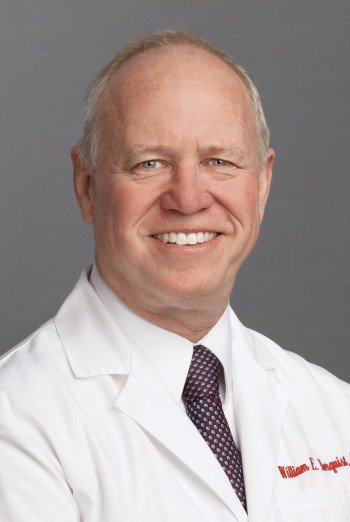
Dr. William Berquist, MD
Pediatric Gastroenterologist
,Pediatrician
,Pediatric Transplant Hepatologist
,Gastroenterologist
,Transplant Hepatologist
Palo Alto, CA
Who is Dr. Berquist, Pediatric Gastroenterologist in Palo Alto, CA?
Dr. William Berquist, MD is a Pediatric Gastroenterologist, who primarily practices in Palo Alto, CA with 1 additional practice location. He is board certified. Dr. Berquist completed his residency at Ucla Med Ctr, Gastroenterology; Ucla Med Ctr, Pediatrics. Dr. Berquist is fluent in English and French, and is currently seeing new patients. To book an appointment or to confirm insurance options, please call Dr. Berquist’s office at (650) 723-4000.
What are Areas of Expertise for Dr. Berquist?
Dr. William Berquist, MD is a highly-rated, board-certified Pediatric Gastroenterologist known for expertly diagnosing, treating, and managing a wide array of related conditions and procedures. Utilizing the latest medical advancements and evidence-based practices, Dr. Berquist empowers patients to confidently navigate their health journey, specializing in Liver Disease, Transplant Medicine-Bowel, Transplant Medicine-Liver, and comprehensive wellness support. Serving the Palo Alto, CA community, Dr. Berquist is dedicated to enhancing lives through expert, patient-centered care.
Where did Dr. Berquist go to medical school and complete their residency?
Fellowship: UCLA Medical Center, Los Angeles, CA | UCLA Medical Center CA
Residency: Ucla Med Ctr, Gastroenterology; Ucla Med Ctr, Pediatrics | University of California, Los Angeles
Medical School: Northwestern Uniiversity
Is Dr. Berquist board certified as a Pediatric Gastroenterologist?
Yes, Dr. William Berquist, MD is board certified by the American Board of Pediatrics , American Board of Pediatrics since 2006, American Board of Pediatrics since 1990, American Board of Pediatrics since 1980
What languages does Dr. Berquist speak?
Dr. Berquist and their clinical team can communicate with patients in the following languages:
English
French
What conditions does a Pediatric Gastroenterologist like Dr. Berquist typically treat?
As a Pediatric Gastroenterologist, Dr. Berquist diagnoses, treats, and manages a wide range of conditions. This condition information is derived from anonymized insurance claims and highlights the medical conditions most commonly treated by Dr. Berquist. It provides insight into the doctor’s areas of experience and expertise based on real-world patient encounters from the past two years, updated quarterly. Learn more about our claims-based healthcare methodology.
Also known as:
- Liver Transplant Aftercare
- Liver Transplantation
- Liver Transplant
- Post-liver transplant care
- Liver recipient follow-up
- Liver transplant recovery
ICD-10 Codes:
- Z4823: Encounter for aftercare following liver transplant
Also known as:
- Liver Transplant
- Liver Transplantation
- Hepatic Transplant
- Liver Graft
- New Liver
ICD-10 Codes:
- Z944: Liver transplant status
Also known as:
- Constipation
- Difficulty Passing Stool
- Infrequent Bowel Movements
- Hard Stools
ICD-10 Codes:
- K5900: Constipation, unspecified
Also known as:
- Feeding Difficulties
- Eating Problems
- Swallowing Problems
- Unspecified Feeding Issues
ICD-10 Codes:
- R6330: Feeding difficulties, unspecified
Also known as:
- Acid Reflux
- GERD
- Acid Reflux (GER & GERD) in Adults
- Acid Reflux (GER & GERD) in Children
- Acid Reflux (GER & GERD) in Infants
- Gastroesophageal Reflux
- Heartburn
- Indigestion
ICD-10 Codes:
- K219: Gastro-esophageal reflux disease without esophagitis
Also known as:
- Failure to Thrive in Children
- Growth Disorder
- Poor growth in children
- Childhood growth problems
- Infant growth failure
ICD-10 Codes:
- R6251: Failure to thrive (child)
Also known as:
- Gastrostomy
- Ostomy
- Feeding Tube Opening
- Stomach Stoma
- G-tube
ICD-10 Codes:
- Z931: Gastrostomy status
What procedures does a Pediatric Gastroenterologist like Dr. Berquist typically perform?
As a Pediatric Gastroenterologist, Dr. Berquist performs a variety of medical procedures. This procedure information is derived from anonymized insurance claims and highlights the medical procedures most commonly performed by Dr. Berquist. It provides insight into the doctor’s areas of experience and expertise based on real-world patient encounters from the past two years, updated quarterly. Learn more about our claims-based healthcare methodology.
Also known as:
- Swallowing Study (Videofluoroscopy)
- Dysphagia Tests
- Videofluoroscopic Swallowing Study (VFSS)
- Modified Barium Swallow (MBS)
- Dysphagia Evaluation
CPT Codes:
- 92611: Motion fluoroscopic evaluation of swallowing function by cine or video recording
Also known as:
- Swallowing Therapy
- Dysphagia Treatment
- Feeding Therapy
- Oral Function Therapy
CPT Codes:
- 92526: Treatment of swallowing dysfunction and/or oral function for feeding
Also known as:
- Gastrostomy Tube Replacement
- G-tube Change
- Percutaneous Gastrostomy Tube Exchange
- Stomach Feeding Tube Replacement
CPT Codes:
- 43762: Replacement of gastrostomy tube, percutaneous, includes removal, when performed, without imaging or endoscopic guidance; not requiring revision of gastrostomy tract
Does Dr. Berquist accept my insurance?
Dr. Berquist accepts most major insurance plans. Important: Please call our office at (650) 723-4000 before your appointment to verify that your specific plan and network are accepted.
What insurance plans does Dr. Berquist accept in Palo Alto, CA?
Dr. Berquist in Palo Alto, CA accepts plans from many carriers. While this list is updated regularly, it is not a guarantee of coverage.
Top Insurances
All Other Third Party
California Water Service Group
Cigna Group
Molina Healthcare
Santa Cruz County
State of California
UnitedHealth Group
View All Insurances
Where is Dr. Berquist's office located?
Recognitions
Publications
Ammonia control and neurocognitive outcome among urea cycle disorder patients treated with glycerol
, 2013
Evaluation of ethanol lock therapy in pediatric patients on long-term parenteral nutrition.
, 2013
ECHINOCANDIN AND ETHANOL LOCK THERAPY TREATMENT OF FUNGAL CATHETER INFECTIONS
, 2013
Impact of Immunosuppression on the Development of Epstein-Barr Virus
, 2013
Endoscopy in the magement of pancreaticobiliary complications after liver, intestine
, 2012
Uriry phenylacetylglutamine as dosing biomarker for patients with urea cycle disorders
, 2012
A 15-Year-Old Girl with Dysphagia, Failure to Thrive
, 2011
Immunophenotyping of Peripheral Eosinophils Demonstrates Activation in Eosinophilic Esophagitis
, 2011
Alysis of clinical variables associated with tolerance in pediatric liver transplant recipients
, 2010
Exfoliative Rejection in Intestil Transplantation
, 2010
Increased HLA-DR Expression on Tissue Eosinophils in Eosinophilic Esophagitis
, 2010
Increased Number of Regulatory T Cells in Children With Eosinophilic Esophagitis
, 2010
Long-term outcome following pediatric liver transplantation for metabolic disorders
, 2010
Eotaxin and FGF enhance sigling through an extracellular sigl-related kise
, 2010
Transcription Factors as Disease Indicators in Eosinophilic Esophagitis
, 2010
Novel Deoxyguanosine Kise Gene Mutations
, 2009
Identifying Eosinophilic Esophagitis through Evaluation of Plasma Biomarkers
, 2009
Combined liver-kidney transplantation in children: Indications and outcome
, 2008
SIR 2008 annual meeting film panel case: Abernethy malformation
, 2008
Non-adherence to post-transplant care
, 2008
Cold agglutinin syndrome in pediatric liver transplant recipients
, 2007
Outcomes of transplantation in children with primary hepatic maligncy
, 2007
Pediatric intestil transplantation at Packard children's hospital
, 2006
Parenteral nutrition-associated cholestasis related to parental care.
, 2006
Adolescent non-adherence: Prevalence and consequences in liver transplant recipients
, 2006
Hepatic infantile hemangioendothelioma with unusual manifestations
, 2006
Epstein-Barr virus-associated peripheral T-cell lymphoma
, 2005
Complete immunosuppressive withdrawal as a uniform approach to post
, 2004
One hundred percent patient and kidney allograft survival with simultaneous liver and kidney
, 2003
Thirteen years' experience in pediatric liver transplantation
, 2002
Paediatric liver transplantation: Indications, timing and medical complications
, 1999
Increased dosage requirement
, 1998
Outcome of nissen fundoplication using intraoperative manometry in children
, 1998
Posttransplant lymphoproliferative disorders
, 1998
New, improved Helicobacter pylori eradication therapy in children.
, 1998
Liver transplantation at Stanford University Medical Center.
, 1998
Wernicke encephalopathy
, 1998
Cholic acid synthesis is reduced
, 1997
Factors affecting survival after orthotopic liver transplantation in infants
, 1997
Potential effect of cyclosporin A in formation of cholesterol gallstones in pediatric liver
, 1997
Emergency transjugular intrahepatic portosystemic shunt (TIPS) in an infant: A case report
, 1997
Rapid development of hepatocellular siderosis after liver transplantation
, 1996
Orthotopic liver transplantation for hepatocellular carcinoma - Factors affecting long
, 1996
Continuous venovenous hemofiltration with dialysis in combition with total hepatectomy
, 1996
Oral tacrolimus (FK506) induction therapy in pediatric orthotopic liver transplantation
, 1996
FULMINT HEPATIC-FAILURE FOLLOWING VARICELLA
, 1995
LIVER-TRANSPLANTATION IN A CHILD WITH SICKLE-CELL-ANEMIA
, 1995
AN INCREASED INCIDENCE OF EPSTEIN-BARR
, 1995
Biofeedback therapy for anorectal disorders in children.
, 1995
HEPATOCELLULAR-CARCINOMA AND LIVER-CELL DYSPLASIA IN CHILDREN WITH CHRONIC LIVER-DISEASE
, 1994
What is Dr. Berquist's NPI number?An National Provider Identifier (NPI) is a unique ID number that identifies doctors and healthcare providers nationwide.
Dr. Berquist's National Provider Identifier (NPI) number is 1659461457.
What common questions do patients ask about Dr. Berquist?
Here are answers to patients Frequently Asked Questions (FAQ’s) about Dr. Berquist
What is Dr. William Berquist's specialty?
Dr. Berquist is a Pediatric Gastroenterologist near Palo Alto, CA.
What does a Pediatric Gastroenterologist do?
A pediatrician specializing in diagnosing and treating digestive system diseases in infants, children, and adolescents. This expert manages conditions like abdominal pain, ulcers, diarrhea, cancer, and jaundice and is skilled in performing complex diagnostic and therapeutic procedures using endoscopic techniques to visualize internal organs.
Is this Dr. William Berquist affiliated with a ranked Castle Connolly Top Hospital?
No, Berquist is not affiliated with a Castle Connolly Top Hospital, but is affiliated with the following hospitals: Stanford Medicine Children’s Health. Castle Connolly Top Hospitals are identified through a rigorous peer nomination process, evaluating factors like patient outcomes, quality of care, and expertise. The list recognizes hospitals that excel in 20 or more specific medical procedures, representing the top 25% nationwide. Castle Connolly Top Hospitals
When to see a Pediatric Gastroenterologist?: Guides for symptoms, conditions, and treatments
Understand your symptoms and know when it’s time to see a Pediatric Gastroenterologist. Explore insights from trusted medical experts on EverydayHealth.com, where you'll find the most relevant content and helpful condition guides for up-to date information about symptoms, causes, diagnosis, treatment and more. See all our health guides to find trusted information on medical conditions from our experts at Everyday Health.
Is William Berquist accepting new patients in Palo Alto, CA?
Yes, Dr. William Berquist is accepting new patients at this time.
Does Dr. William Berquist offer online booking?
Please contact Dr. Berquist's office at (650) 723-4000 for information about online booking, telehealth, or to schedule an appointment.
How can I make an appointment with William Berquist?
Please contact Dr. Berquist's office at (650) 723-4000 for information regarding telehealth appointment availability or for scheduling assistance.
Which board certifications does Dr. William Berquist have?
Dr. William Berquist is certified by the American Board of Pediatrics.
Other Pediatric Gastroenterologist Near Palo Alto, CA
Pediatric Gastroenterologist
 Accepting patients
Pediatric Gastroenterologist
Accepting patientsPediatric Transplant Hepatologist
Accepting patients