
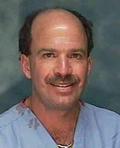
Accepting patients
Affiliated with a Castle Connolly Top Hospital
Who is Dr. Kanter, Vascular Surgeon in Miami, FL?
Dr. Steven Kanter, MD is a Vascular Surgeon, who primarily practices in Miami, FL. He is board certified. Dr. Kanter graduated from Medical College of Georgia at Georgia Regents University and completed his residency at Jackson Mem Hosp/Jackson Hlth, General Surgery. Dr. Kanter is fluent in English and Spanish, and is currently seeing new patients. Dr. Kanter’s practice accepts Medicare and other major insurance plans. To book an appointment or to confirm insurance options, please call Dr. Kanter’s office.
Where did Dr. Kanter go to medical school and complete their residency?
Residency: Jackson Mem Hosp/Jackson Hlth, General Surgery | Jackson Memorial Hospital/Jackson Health System Program
Medical School: Med Coll Of Ga Sch Of Med | Medical College of Georgia at Georgia Regents University
Is Dr. Kanter board certified as a Vascular Surgeon?
Yes, Dr. Steven Kanter, MD is board certified by the American Board of Surgery
What languages does Dr. Kanter speak?
Dr. Kanter and their clinical team can communicate with patients in the following languages:
English
Spanish
What conditions does a Vascular Surgeon like Dr. Kanter typically treat?
As a Vascular Surgeon, Dr. Kanter diagnoses, treats, and manages a wide range of conditions. This condition information is derived from anonymized insurance claims and highlights the medical conditions most commonly treated by Dr. Kanter. It provides insight into the doctor’s areas of experience and expertise based on real-world patient encounters from the past two years, updated quarterly. Learn more about our claims-based healthcare methodology.
Also known as:
- Chronic Ulcer of the Skin (Other Areas)
- Chronic Skin Ulcer with Muscle Damage on Lower Left Leg
- Deep Chronic Skin Ulcer
- Skin Condition
- Non-pressure ulcer
- Dermal ulcer
- Persistent skin wound
- Chronic sore
- Deep Leg Ulcer
- Muscle-Involved Skin Ulcer
- Non-healing Wound with Muscle Damage
- Open Sore
- Skin Wound
- Non-healing Wound
ICD-10 Codes:
- L98493: Non-pressure chronic ulcer of skin of other sites with necrosis of muscle
- L97923: Non-pressure chronic ulcer of unspecified part of left lower leg with necrosis of muscle
- L98492: Non-pressure chronic ulcer of skin of other sites with fat layer exposed
Also known as:
- Hardening of Leg or Arm Arteries with Leg Pain When Walking
- Atherosclerosis
- Peripheral Arterial Disease
- PAD with claudication
- Leg artery disease with pain
- Intermittent claudication
ICD-10 Codes:
- I70219: Atherosclerosis of native arteries of extremities with intermittent claudication, unspecified extremity
Also known as:
- Type 2 Diabetes with Skin Ulcers
- Diabetes Complicationss
- Diabetes Type 2
- Type 2 diabetes
- Diabetic skin sores
- Diabetes-related wounds
- Foot ulcers from diabetes
ICD-10 Codes:
- E11622: Type 2 diabetes mellitus with other skin ulcer
What procedures does a Vascular Surgeon like Dr. Kanter typically perform?
As a Vascular Surgeon, Dr. Kanter performs a variety of medical procedures. This procedure information is derived from anonymized insurance claims and highlights the medical procedures most commonly performed by Dr. Kanter. It provides insight into the doctor’s areas of experience and expertise based on real-world patient encounters from the past two years, updated quarterly. Learn more about our claims-based healthcare methodology.
Also known as:
- Muscle Debridement
- Wound Debridement
- Deep Wound Cleaning
- Muscle Cleaning Procedure
- Fascia Debridement
- Wound Debridement (Deep Tissue)
- Surgical Wound Cleaning
- Tissue Removal from Wound
- Dead Tissue Removal
- Surgical Wound Debridement
- Tissue Removal for Wound Healing
CPT Codes:
- 11043: Debridement, muscle and/or fascia (includes epidermis, dermis, and subcutaneous tissue, if performed); first 20 sq cm or less
- 11042: Debridement, subcutaneous tissue (includes epidermis and dermis, if performed); first 20 sq cm or less
- 11046: Debridement, muscle and/or fascia (includes epidermis, dermis, and subcutaneous tissue, if performed); each additional 20 sq cm, or part thereof (List separately in addition to code for primary procedure)
Also known as:
- Image-Guided Fluid Drainage
- Abscess drainage
- Hematoma drainage
- Cyst drainage
- Percutaneous fluid aspiration
CPT Codes:
- 10030: Image-guided fluid collection drainage by catheter (eg, abscess, hematoma, seroma, lymphocele, cyst), soft tissue (eg, extremity, abdominal wall, neck), percutaneous
Also known as:
- Adjacent Tissue Transfer (Trunk)
- Skin Flap Surgery
- Local Flap Reconstruction
- Tissue Rearrangement Surgery
- Skin Repair Surgery
CPT Codes:
- 14001: Adjacent tissue transfer or rearrangement, trunk; defect 10.1 sq cm to 30.0 sq cm
Also known as:
- Sclerotherapy for Fluid Collection
- Cyst Sclerotherapy
- Lymphocele Treatment
- Seroma Injection
- Fluid Drainage and Treatment
CPT Codes:
- 49185: Sclerotherapy of a fluid collection (eg, lymphocele, cyst, or seroma), percutaneous, including contrast injection(s), sclerosant injection(s), diagnostic study, imaging guidance (eg, ultrasound, fluoroscopy) and radiological supervision and interpretation when performed
Also known as:
- Inguinal Hernia Repair (Adults and Children 5+)
- Groin Hernia Surgery
- Reducible Inguinal Hernia Repair
- First Inguinal Hernia Fix
- Adult Inguinal Hernia Surgery
CPT Codes:
- 49505: Repair initial inguinal hernia, age 5 years or older; reducible
Also known as:
- Multi-Layer Leg Compression Wrap
- Compression Bandage Application
- Leg Compression System
- Ankle and Foot Compression
CPT Codes:
- 29581: Application of multi-layer compression system; leg (below knee), including ankle and foot
Does Dr. Kanter accept my insurance?
Dr. Kanter accepts most major insurance plans. Important: Please call our office at before your appointment to verify that your specific plan and network are accepted.
What insurance plans does Dr. Kanter accept in Miami, FL?
Dr. Kanter in Miami, FL accepts plans from many carriers. While this list is updated regularly, it is not a guarantee of coverage.
Top Insurances
All Other Third Party
Cigna Group
CVS Health (formerly Aetna)
Doctors Healthcare Plans
Elevance Health Inc. (formerly Anthem)
Humana
Medicare
Oscar Health
Sentara Health
View All Insurances
Where is Dr. Kanter's office located?
What is Dr. Kanter's NPI number?An National Provider Identifier (NPI) is a unique ID number that identifies doctors and healthcare providers nationwide.
Dr. Kanter's National Provider Identifier (NPI) number is 1174548713.
What common questions do patients ask about Dr. Kanter?
Here are answers to patients Frequently Asked Questions (FAQ’s) about Dr. Kanter
What is Dr. Steven Kanter's specialty?
Dr. Kanter is a Vascular Surgeon near Miami, FL.
What does a Vascular Surgeon do?
A vascular surgeon specializes in the management of surgical disorders related to blood vessels, excluding those of the heart and intracranial vessels.
Is this Dr. Steven Kanter affiliated with a ranked Castle Connolly Top Hospital?
Yes, Dr. Kanter is affiliated with Baptist Hospital Of Miami which is a Castle Connolly Top Hospital. Castle Connolly Top Hospitals are healthcare institutions recognized for their excellence in specific medical procedures and overall patient care. They are identified through a rigorous peer nomination process, evaluating factors like patient outcomes, quality of care, and expertise. The list recognizes hospitals that excel in 20 or more specific medical procedures, representing the top 25% nationwide. Castle Connolly Top Hospitals
When to see a Vascular Surgeon?: Guides for symptoms, conditions, and treatments
Understand your symptoms and know when it’s time to see a Vascular Surgeon. Explore insights from trusted medical experts on EverydayHealth.com, where you'll find the most relevant content and helpful condition guides for up-to date information about symptoms, causes, diagnosis, treatment and more. See all our health guides to find trusted information on medical conditions from our experts at Everyday Health.
Is Steven Kanter accepting new patients in Miami, FL?
Yes, Dr. Steven Kanter is accepting new patients at this time.
Does Dr. Steven Kanter offer online booking?
Please contact Dr. Kanter's office for information about online booking, telehealth, or to schedule an appointment.
How can I make an appointment with Steven Kanter?
Please contact Dr. Kanter's office for information regarding telehealth appointment availability or for scheduling assistance.
Which board certifications does Dr. Steven Kanter have?
Dr. Steven Kanter is certified by the American Board of Surgery.
Other Vascular Surgeon Near Miami, FL
YL
Vascular Surgeon
 Accepting patients
Dr. Young Lee, MD is a Vascular Surgeon, who primarily practices in Miami, FL with 2 additional practice locations.
Miami, FL
MB
Thoracic Surgeon
Accepting patientsDr. Marco Bologna, MD is a Thoracic Surgeon, who primarily practices in Miami, FL with 2 additional practice locations. He has been practicing for over 24 years.
Miami, FL
AT
Vascular Surgeon
Accepting patientsDr. Athanassios Tsoukas, MD is a Vascular Surgeon, who primarily practices in Miami, FL with 2 additional practice locations. He has been practicing for over 31 years and is board certified.
Miami, FL
Connect with DR. Kanter
8940 N Kendall Dr Ste 803E
Miami, FL 33176