
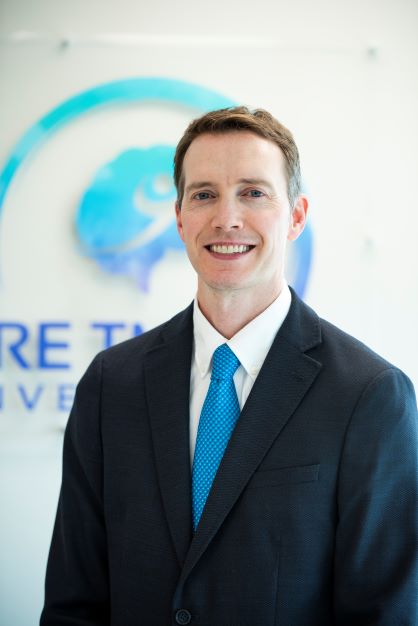
17 Years of Experience
Who is Dr. Clinch, Psychiatrist in Broomfield, CO?
Dr. Samuel Clinch, MD is a Psychiatrist, who primarily practices in Broomfield, CO. He has been practicing for over 17 years and is board certified. Dr. Clinch completed his residency at University of Nebraska Medical Center/Creighton University Medical Center. Dr. Clinch is fluent in English, and is currently seeing new patients. Dr. Clinch’s practice accepts Medicare and other major insurance plans. To book an appointment or to confirm insurance options, please call Dr. Clinch’s office at (303) 338-4545.
Where did Dr. Clinch go to medical school and complete their residency?
Residency: University of Nebraska Medical Center/Creighton University Medical Center
Medical School: University of Nebraska – Lincoln | St. George's University School of Medicine
Is Dr. Clinch board certified as a Psychiatrist?
Yes, Dr. Samuel Clinch, MD is board certified by the American Board of Psychiatry and Neurology since 2013
What languages does Dr. Clinch speak?
Dr. Clinch and their clinical team can communicate with patients in the following languages:
English
What conditions does a Psychiatrist like Dr. Clinch typically treat?
As a Psychiatrist, Dr. Clinch diagnoses, treats, and manages a wide range of conditions. This condition information is derived from anonymized insurance claims and highlights the medical conditions most commonly treated by Dr. Clinch. It provides insight into the doctor’s areas of experience and expertise based on real-world patient encounters from the past two years, updated quarterly. Learn more about our claims-based healthcare methodology.
Also known as:
- Recurrent Severe Depression
- Recurrent Depression in Partial Remission
- Depression
- Chronic severe depression
- Repeated severe depressive episodes
- Clinical depression
- Improving recurrent depression
- Resolving recurrent depressive symptoms
- Partial recovery from recurrent depression
ICD-10 Codes:
- F332: Major depressive disorder, recurrent severe without psychotic features
- F3341: Major depressive disorder, recurrent, in partial remission
Also known as:
- Generalized Anxiety Disorder
- Anxiety
- GAD
- Chronic Worry
- Excessive Worry Disorder
ICD-10 Codes:
- F411: Generalized anxiety disorder
What procedures does a Psychiatrist like Dr. Clinch typically perform?
As a Psychiatrist, procedures performed by Dr. Samuel Clinch may include:
- Child Psychiatry Consultation
- Child Psychiatry Follow Up
- Cognitive Behavioral Therapy (CBT)
- Couples Therapy
- Electroconvulsive Therapy (ECT)
- Hypnotherapy
- Inpatient Psychiatric Services
- Ketamine Infusion
Please contact Dr. Clinch's office directly to confirm care for your specific procedure, for more information, or to schedule a consultation.
Does Dr. Clinch accept my insurance?
Dr. Clinch accepts most major insurance plans. Important: Please call our office at (303) 338-4545 before your appointment to verify that your specific plan and network are accepted.
What insurance plans does Dr. Clinch accept in Broomfield, CO?
Dr. Clinch in Broomfield, CO accepts plans from many carriers. While this list is updated regularly, it is not a guarantee of coverage.
Top Insurances
Cigna Group
Medicare
View All Insurances
Where is Dr. Clinch's office located?
Dr. Samuel Clinch's Primary Practice
340 E 1st Ave Ste 333
Broomfield, CO 80020
(303) 338-4545
Recognitions
Awards
5280 Denver Top Doctor
Denver, CO
Hidden Lake Behavioral Health Provider of the Year
Kaiser Permanente
What is Dr. Clinch's NPI number?An National Provider Identifier (NPI) is a unique ID number that identifies doctors and healthcare providers nationwide.
Dr. Clinch's National Provider Identifier (NPI) number is 1457580565.
What common questions do patients ask about Dr. Clinch?
Here are answers to patients Frequently Asked Questions (FAQ’s) about Dr. Clinch
What is Dr. Samuel Clinch's specialty?
Dr. Clinch is a Psychiatrist near Broomfield, CO.
What does a Psychiatrist do?
A Psychiatrist specializes in the prevention, diagnosis, and treatment of mental disorders, emotional disorders, psychotic disorders, mood disorders, anxiety disorders, substance-related disorders, sexual and gender identity disorders and adjustment disorders. Biologic, psychological, and social components of illnesses are explored and understood in treatment of the whole person. Tools used may include diagnostic laboratory tests, prescribed medications, evaluation and treatment of psychological and interpersonal problems with individuals and families, and intervention for coping with stress, crises, and other problems.
Is this Dr. Samuel Clinch affiliated with a ranked Castle Connolly Top Hospital?
No, Clinch is not affiliated with a Castle Connolly Top Hospital. Castle Connolly Top Hospitals are identified through a rigorous peer nomination process, evaluating factors like patient outcomes, quality of care, and expertise. The list recognizes hospitals that excel in 20 or more specific medical procedures, representing the top 25% nationwide. Castle Connolly Top Hospitals
When to see a Psychiatrist?: Guides for symptoms, conditions, and treatments
Understand your symptoms and know when it’s time to see a Psychiatrist. Explore insights from trusted medical experts on EverydayHealth.com, where you'll find the most relevant content and helpful condition guides for up-to date information about symptoms, causes, diagnosis, treatment and more. See all our health guides to find trusted information on medical conditions from our experts at Everyday Health.
Is Samuel Clinch accepting new patients in Broomfield, CO?
Yes, Dr. Samuel Clinch is accepting new patients at this time.
Does Dr. Samuel Clinch offer online booking?
Please contact Dr. Clinch's office at (303) 338-4545 for information about online booking, telehealth, or to schedule an appointment.
How can I make an appointment with Samuel Clinch?
Please contact Dr. Clinch's office at (303) 338-4545 for information regarding telehealth appointment availability or for scheduling assistance.
Which board certifications does Dr. Samuel Clinch have?
Dr. Samuel Clinch is certified by the American Board of Psychiatry and Neurology.
Other Psychiatrist Near Broomfield, CO
Psychiatrist
 Accepting patients
Psychiatrist
Accepting patients Telehealth
Psychiatrist
Accepting patients