
Affiliated with a Castle Connolly Top Hospital
Who is Dr. Lopez, Clinical Neurophysiologist in Stanford, CA?
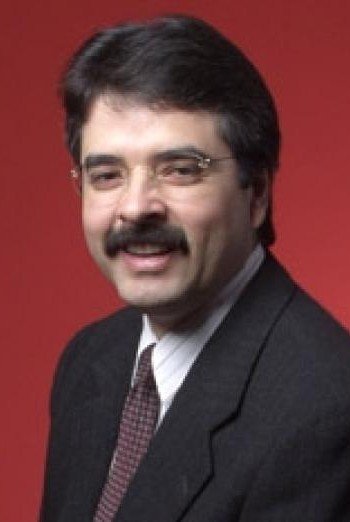
Dr. Jaime Lopez, MD is a Clinical Neurophysiologist, who primarily practices in Stanford, CA. He is board certified. Dr. Lopez graduated from University of Washington School of Medicine and completed his residency at Stanford Univ Hosp, Neurology. Dr. Lopez is fluent in English and Spanish, and is currently seeing new patients. Dr. Lopez’s practice accepts Kaiser Permanente, Medicaid, Medicare, Aetna, Cigna, UnitedHealthcare and other major insurance plans. To book an appointment or to confirm insurance options, please call Dr. Lopez’s office at (650) 723-1975.
What are Areas of Expertise for Dr. Lopez?
Dr. Jaime Lopez, MD is a highly-rated, board-certified Clinical Neurophysiologist known for expertly diagnosing, treating, and managing a wide array of related conditions and procedures. Utilizing the latest medical advancements and evidence-based practices, Dr. Lopez empowers patients to confidently navigate their health journey, specializing in Aneurysm, Botox, Clinical Neurophysiology, Electromyography (EMG), Stroke, and comprehensive wellness support. Serving the Stanford, CA community, Dr. Lopez is dedicated to enhancing lives through expert, patient-centered care.
Where did Dr. Lopez go to medical school and complete their residency?
Residency: Stanford Univ Hosp, Neurology | Standford U Sch Med | Stanford University Program
Medical School: University of Wa Sch of Med, Seattle Wa | University of Washington School of Medicine
Is Dr. Lopez board certified as a Clinical Neurophysiologist?
Yes, Dr. Jaime Lopez, MD is board certified by the American Board of Psychiatry and Neurology
What languages does Dr. Lopez speak?
Dr. Lopez and their clinical team can communicate with patients in the following languages:
English
Spanish
What conditions does a Clinical Neurophysiologist like Dr. Lopez typically treat?
As a Clinical Neurophysiologist, Dr. Lopez diagnoses, treats, and manages a wide range of conditions. This condition information is derived from anonymized insurance claims and highlights the medical conditions most commonly treated by Dr. Lopez. It provides insight into the doctor’s areas of experience and expertise based on real-world patient encounters from the past two years, updated quarterly. Learn more about our claims-based healthcare methodology.
Also known as:
- Spasmodic Torticollis
- Orofacial Dystonia
- Dystonia
- Cervical Dystonia
- Wry Neck
- Facial Muscle Spasms
- Jaw Dystonia
- Mouth Dystonia
ICD-10 Codes:
- G243: Spasmodic torticollis
- G244: Idiopathic orofacial dystonia
Also known as:
- Muscle Cramps
- Muscle Spasms
- Charley Horse
- Leg Cramps
ICD-10 Codes:
- R252: Cramp and spasm
Also known as:
- Spastic Hemiplegia
- Paralysis
- Stiff paralysis on one side
- Spastic one-sided paralysis
- Hemiparesis with spasticity
ICD-10 Codes:
- G8110: Spastic hemiplegia affecting unspecified side
Also known as:
- Facial Nerve Disorder
- Facial Injuries and Disorder
- Facial Neuropathy
- Bell's Palsy
- Cranial Nerve VII Disorder
ICD-10 Codes:
- G518: Other disorders of facial nerve
Also known as:
- Left Hemifacial Spasm
- Facial Injuries and Disorder
- Left Facial Twitch
- Left Facial Muscle Spasm
- Left Side Facial Tic
ICD-10 Codes:
- G5132: Clonic hemifacial spasm, left
Also known as:
- Spastic Diplegic Cerebral Palsy
- Cerebral Palsy
- Spastic Diplegia
- CP with spastic diplegia
- Little's disease
ICD-10 Codes:
- G801: Spastic diplegic cerebral palsy
What procedures does a Clinical Neurophysiologist like Dr. Lopez typically perform?
As a Clinical Neurophysiologist, Dr. Lopez performs a variety of medical procedures. This procedure information is derived from anonymized insurance claims and highlights the medical procedures most commonly performed by Dr. Lopez. It provides insight into the doctor’s areas of experience and expertise based on real-world patient encounters from the past two years, updated quarterly. Learn more about our claims-based healthcare methodology.
Also known as:
- Chemodenervation for Muscle Spasms (Additional Extremity)
- Chemical Nerve Block for Multiple Muscles (Arm/Leg)
- Chemical nerve block (extremity)
- Muscle spasm injection (additional limb)
- Botox for spasticity (additional)
- Nerve denervation (chemical)
- Extremity Chemodenervation
- Muscle Spasticity Treatment (Chemical)
- Botox for Muscle Spasms (Multiple Muscles)
CPT Codes:
- 64643: Chemodenervation of one extremity; each additional extremity, 1-4 muscle(s) (List separately in addition to code for primary procedure)
- 64644: Chemodenervation of one extremity; 5 or more muscles
Also known as:
- Facial Muscle Injection for Spasms (One Side)
- Botox for facial spasms
- Facial nerve chemodenervation
- Blepharospasm treatment
- Hemifacial spasm injection
CPT Codes:
- 64612: Chemodenervation of muscle(s); muscle(s) innervated by facial nerve, unilateral (eg, for blepharospasm, hemifacial spasm)
Also known as:
- Botox Injection for Neck Muscle Spasms
- Chemodenervation of neck muscles
- Botulinum toxin injection for cervical dystonia
- Neck spasm injection
CPT Codes:
- 64616: Chemodenervation of muscle(s); neck muscle(s), excluding muscles of the larynx, unilateral (eg, for cervical dystonia, spasmodic torticollis)
Also known as:
- Muscle Weakening Injection (Arm or Leg)
- Extremity Chemodenervation
- Spasticity Injection
- Botulinum Toxin Injection for Muscles
- Muscle Denervation
CPT Codes:
- 64642: Chemodenervation of one extremity; 1-4 muscle(s)
Also known as:
- Botox Injections for Chronic Migraine
- Chemodenervation for Migraine
- Botulinum Toxin Injection for Migraine
- Facial Nerve Block
- Trigeminal Nerve Block
CPT Codes:
- 64615: Chemodenervation of muscle(s); muscle(s) innervated by facial, trigeminal, cervical spinal and accessory nerves, bilateral (eg, for chronic migraine)
Also known as:
- Chemical Nerve Block for Muscle Spasms (Additional Extremity)
- Chemodenervation of Extremity Muscles
- Botox for Muscle Spasms (Additional Limb)
- Nerve-Blocking Injection for Spasticity
CPT Codes:
- 64645: Chemodenervation of one extremity; each additional extremity, 5 or more muscles (List separately in addition to code for primary procedure)
Does Dr. Lopez accept my insurance?
Dr. Lopez accepts most major insurance plans. Important: Please call our office at (650) 723-1975 before your appointment to verify that your specific plan and network are accepted.
What insurance plans does Dr. Lopez accept in Stanford, CA?
Dr. Lopez in Stanford, CA accepts plans from many carriers. While this list is updated regularly, it is not a guarantee of coverage.
Top Insurances
Advantage
All Other Third Party
Blue Shield of California
Centene Corporation
CVS Health (formerly Aetna)
Medicaid
Medicare
Santa Cruz County
State of California
UnitedHealth Group
View All Insurances
Where is Dr. Lopez's office located?
Recognitions
Publications
Detection of inferolateral trunk syndrome by neuromonitoring during catheter angiography with
, 2013
Evidence-Based Guideline Update
, 2012
Neurophysiologic Intraoperative Monitoring of the Oculomotor, Trochlear, and Abducens Nerves
, 2011
Neurophysiologic Intraoperative Monitoring of Pediatric Cerebrovascular Surgery
, 2009
Visual field preservation after curative multi
, 2005
Wrist hyperextension leads to median nerve conduction block - Implications for intra
, 2004
The use of evoked potentials in intraoperative neurophysiologic monitoring.
, 2004
Neurophysiological monitoring in the endovascular therapy of aneurysms
, 2003
Hyperperfusion syndrome with hemorrhage after angioplasty for middle cerebral artery stenosis
, 2001
Microsurgical resection of brainstem, thalamic
, 2000
AAEM news and comments
, 2000
Reply
, 2000
Intraoperative electrical stimulation for identification of cranial nerve nuclei
, 1999
The usefulness of electrophysiological monitoring during resection of central nervous system v
, 1999
Embolization of rolandic cortex arteriovenous malformations
, 1999
The use of electrophysiological monitoring in the intraoperative magement of intracranial aneurysms
, 1999
Evoked potential monitoring and EKG: A case of a serious cardiac arrhythmia
, 1998
Intraoperative neurophysiological monitoring
, 1996
ENTOMOPIA - A REMARKABLE CASE OF CEREBRAL POLYOPIA
, 1993
What is Dr. Lopez's NPI number?An National Provider Identifier (NPI) is a unique ID number that identifies doctors and healthcare providers nationwide.
Dr. Lopez's National Provider Identifier (NPI) number is 1033288014.
What common questions do patients ask about Dr. Lopez?
Here are answers to patients Frequently Asked Questions (FAQ’s) about Dr. Lopez
What is Dr. Jaime Lopez's specialty?
Dr. Lopez is a Clinical Neurophysiologist near Stanford, CA.
What does a Clinical Neurophysiologist do?
Clinical Neurophysiology is a subspecialty that focuses on diagnosing and managing disorders of the central, peripheral, and autonomic nervous systems through a combination of clinical assessment and electrophysiologic testing. This includes techniques such as electroencephalography (EEG), electromyography (EMG), and nerve conduction studies (NCS).
Is this Dr. Jaime Lopez affiliated with a ranked Castle Connolly Top Hospital?
Yes, Dr. Lopez is affiliated with Stanford Health Care - Stanford Hospital which is a Castle Connolly Top Hospital. Castle Connolly Top Hospitals are healthcare institutions recognized for their excellence in specific medical procedures and overall patient care. They are identified through a rigorous peer nomination process, evaluating factors like patient outcomes, quality of care, and expertise. The list recognizes hospitals that excel in 20 or more specific medical procedures, representing the top 25% nationwide. Castle Connolly Top Hospitals
When to see a Clinical Neurophysiologist?: Guides for symptoms, conditions, and treatments
Understand your symptoms and know when it’s time to see a Clinical Neurophysiologist. Explore insights from trusted medical experts on EverydayHealth.com, where you'll find the most relevant content and helpful condition guides for up-to date information about symptoms, causes, diagnosis, treatment and more. See all our health guides to find trusted information on medical conditions from our experts at Everyday Health.
Is Jaime Lopez accepting new patients in Stanford, CA?
Yes, Dr. Jaime Lopez is accepting new patients at this time.
Does Dr. Jaime Lopez offer online booking?
Please contact Dr. Lopez's office at (650) 723-1975 for information about online booking, telehealth, or to schedule an appointment.
How can I make an appointment with Jaime Lopez?
Please contact Dr. Lopez's office at (650) 723-1975 for information regarding telehealth appointment availability or for scheduling assistance.
Which board certifications does Dr. Jaime Lopez have?
Dr. Jaime Lopez is certified by the American Board of Psychiatry and Neurology.
Other Clinical Neurophysiologist Near Stanford, CA
Clinical Neurophysiologist
 Accepting patients
Clinical Neurophysiologist
Accepting patientsClinical Neurophysiologist
Accepting patients