
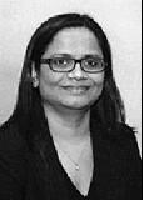
Affiliated with a Castle Connolly Top Hospital
Who is Dr. Shah, Neurologist in Hollywood, MD?
Dr. Kajal Shah, MD is a Neurologist, who primarily practices in Hollywood, MD with 1 additional practice location. She is board certified. Dr. Shah completed her residency at Georgetown University Hospital. Dr. Shah is fluent in English, Hindi, and Marathi, and is currently seeing new patients. Dr. Shah’s practice accepts Medicare and other major insurance plans. To book an appointment or to confirm insurance options, please call Dr. Shah’s office at (301) 373-7900.
Where did Dr. Shah go to medical school and complete their residency?
Fellowship: Washington DC VA Medical Center
Residency: Georgetown University Hospital
Is Dr. Shah board certified as a Neurologist?
Yes, Dr. Kajal Shah, MD is board certified by the American Board of Psychiatry and Neurology
What languages does Dr. Shah speak?
Dr. Shah and their clinical team can communicate with patients in the following languages:
English
Hindi
Marathi
What conditions does a Neurologist like Dr. Shah typically treat?
As a Neurologist, Dr. Shah diagnoses, treats, and manages a wide range of conditions. This condition information is derived from anonymized insurance claims and highlights the medical conditions most commonly treated by Dr. Shah. It provides insight into the doctor’s areas of experience and expertise based on real-world patient encounters from the past two years, updated quarterly. Learn more about our claims-based healthcare methodology.
Also known as:
- Back Pain
- Low Back Pain
- Backache
- Dorsalgia
- Spinal Pain
- Lumbago
- Lower Back Ache
- Chronic Low Back Pain
ICD-10 Codes:
- M549: Dorsalgia, unspecified
- M5459: Other low back pain
Also known as:
- Chronic Migraine without Aura
- Migraine
- Common Migraine
- Migraine without warning signs
- Everyday Migraine
ICD-10 Codes:
- G43719: Chronic migraine without aura, intractable, without status migrainosus
Also known as:
- Neck Pain
- Neck Injuries and Disorder
- Cervical Pain
- Sore Neck
- Neck Ache
ICD-10 Codes:
- M542: Cervicalgia
Also known as:
- Epilepsy
- Seizure disorder
- Convulsive disorder
- Falling sickness
ICD-10 Codes:
- G40909: Epilepsy, unspecified, not intractable, without status epilepticus
Also known as:
- Fainting
- Syncope
- Passing out
- Collapse
ICD-10 Codes:
- R55: Syncope and collapse
Also known as:
- Memory Loss
- Memory
- Amnesia
- Forgetfulness
- Loss of Recall
ICD-10 Codes:
- R413: Other amnesia
Also known as:
- Abnormal EEG
- Irregular Electroencephalogram
- Unusual Brain Wave Test
- EEG Abnormalities
ICD-10 Codes:
- R9401: Abnormal electroencephalogram [EEG]
Also known as:
- Changes in Mental State
- Mental Disorder
- Confusion
- Disorientation
- Changes in awareness
ICD-10 Codes:
- R4182: Altered mental status, unspecified
What procedures does a Neurologist like Dr. Shah typically perform?
As a Neurologist, Dr. Shah performs a variety of medical procedures. This procedure information is derived from anonymized insurance claims and highlights the medical procedures most commonly performed by Dr. Shah. It provides insight into the doctor’s areas of experience and expertise based on real-world patient encounters from the past two years, updated quarterly. Learn more about our claims-based healthcare methodology.
Also known as:
- Botox Injections for Chronic Migraine
- Chemodenervation for Migraine
- Botulinum Toxin Injection for Migraine
- Facial Nerve Block
- Trigeminal Nerve Block
CPT Codes:
- 64615: Chemodenervation of muscle(s); muscle(s) innervated by facial, trigeminal, cervical spinal and accessory nerves, bilateral (eg, for chronic migraine)
Also known as:
- Lumbar or Sacral Epidural Injection (Guided)
- Transforaminal Epidural Injection
- Spinal Nerve Block
- Lower Back Pain Injection with Guidance
CPT Codes:
- 64484: Injection(s), anesthetic agent(s) and/or steroid; transforaminal epidural, with imaging guidance (fluoroscopy or CT), lumbar or sacral, each additional level (List separately in addition to code for primary procedure)
Also known as:
- Lumbar Transforaminal Epidural Injection
- TFESI (Lumbar)
- Nerve Root Block (Lumbar)
- Lower Back Nerve Injection with Imaging
CPT Codes:
- 64483: Injection(s), anesthetic agent(s) and/or steroid; transforaminal epidural, with imaging guidance (fluoroscopy or CT), lumbar or sacral, single level
Also known as:
- Joint or Bursa Injection/Fluid Removal
- Arthrocentesis
- Major Joint Aspiration
- Bursa Injection
- Joint Fluid Removal
CPT Codes:
- 20610: Arthrocentesis, aspiration and/or injection, major joint or bursa (eg, shoulder, hip, knee, subacromial bursa); without ultrasound guidance
Does Dr. Shah accept my insurance?
Dr. Shah accepts most major insurance plans. Important: Please call our office at (301) 373-7900 before your appointment to verify that your specific plan and network are accepted.
What insurance plans does Dr. Shah accept in Hollywood, MD?
Dr. Shah in Hollywood, MD accepts plans from many carriers. While this list is updated regularly, it is not a guarantee of coverage.
Top Insurances
BCBS Unspecified
Blue Cross Blue Shield Association
Cigna Group
CVS Health (formerly Aetna)
Federal government of the United States
Maryland Physicians Care
Medicare
MedStar Health
State of Maryland
UnitedHealth Group
View All Insurances
Where is Dr. Shah's office located?
Dr. Kajal Shah's Primary Practice
24035 Three Notch Rd
Hollywood, MD 20636
(301) 373-7900
What is Dr. Shah's NPI number?An National Provider Identifier (NPI) is a unique ID number that identifies doctors and healthcare providers nationwide.
Dr. Shah's National Provider Identifier (NPI) number is 1356598106.
What common questions do patients ask about Dr. Shah?
Here are answers to patients Frequently Asked Questions (FAQ’s) about Dr. Shah
What is Dr. Kajal Shah's specialty?
Dr. Shah is a Neurologist near Hollywood, MD.
What does a Neurologist do?
A neuropathologist is expert in the diagnosis of diseases of the nervous system and skeletal muscles and functions as a consultant primarily to neurologists and neurosurgeons. The neuropathologist is knowledgeable in the infirmities of humans as they affect the nervous and neuromuscular systems, be they degenerative, infectious, metabolic, immunologic, neoplastic, vascular or physical in nature.
Is this Dr. Kajal Shah affiliated with a ranked Castle Connolly Top Hospital?
Yes, Dr. Shah is affiliated with Medstar St. Mary's Hospital, Calverthealth Medical Center, Medstar Washington Hospital Center which are a Castle Connolly Top Hospitals. Castle Connolly Top Hospitals are healthcare institutions recognized for their excellence in specific medical procedures and overall patient care. They are identified through a rigorous peer nomination process, evaluating factors like patient outcomes, quality of care, and expertise. The list recognizes hospitals that excel in 20 or more specific medical procedures, representing the top 25% nationwide. Castle Connolly Top Hospitals
When to see a Neurologist?: Guides for symptoms, conditions, and treatments
Understand your symptoms and know when it’s time to see a Neurologist. Explore insights from trusted medical experts on EverydayHealth.com, where you'll find the most relevant content and helpful condition guides for up-to date information about symptoms, causes, diagnosis, treatment and more. See all our health guides to find trusted information on medical conditions from our experts at Everyday Health.
Is Kajal Shah accepting new patients in Hollywood, MD?
Yes, Dr. Kajal Shah is accepting new patients at this time.
Does Dr. Kajal Shah offer online booking?
Please contact Dr. Shah's office at (301) 373-7900 for information about online booking, telehealth, or to schedule an appointment.
How can I make an appointment with Kajal Shah?
Please contact Dr. Shah's office at (301) 373-7900 for information regarding telehealth appointment availability or for scheduling assistance.
Which board certifications does Dr. Kajal Shah have?
Dr. Kajal Shah is certified by the American Board of Psychiatry and Neurology.
Other Neurologist Near Hollywood, MD
Neurologist
 Accepting patients
Neurologist
Accepting patientsNeurologist
Accepting patients