EverydayHealthLogo
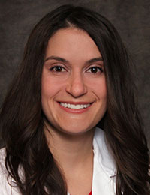
Dr. Julia Kasprzak, MD

Dr. Julia Kasprzak, MD

Milwaukee, WI

Accepting patients

Affiliated with a Castle Connolly Top Hospital

    Who is Dr. Kasprzak, Dermatologist in Milwaukee, WI?

    Dr. Julia Kasprzak, MD is a Dermatologist, who primarily practices in Milwaukee, WI with 2 additional practice locations. Dr. Kasprzak is fluent in English, and is currently seeing new patients. Dr. Kasprzak’s practice accepts Cigna, Medicare, UnitedHealthcare, Aetna and other major insurance plans. To book an appointment or to confirm insurance options, please call Dr. Kasprzak’s office at (414) 805-3666.

    What are Areas of Expertise for Dr. Kasprzak?

    Dr. Julia Kasprzak, MD is a highly-rated, board-certified Dermatologist known for expertly diagnosing, treating, and managing a wide array of related conditions or procedures. Utilizing the latest medical advancements and evidence-based practices, Dr. Kasprzak empowers patients to confidently navigate their health journey, specializing in Melanoma, Mohs Surgery, Skin Cancer, or comprehensive wellness support. Serving the Milwaukee/WI community, Dr. Kasprzak is dedicated to enhancing lives through expert, patient-centered care.

    What languages does Dr. Kasprzak speak?

    Dr. Kasprzak and their clinical team can communicate with patients in the following languages:

    • English

    What conditions does Dr. Kasprzak treat?

    As a Dermatologist, Dr. Kasprzak diagnoses, treats, and manages a wide range of conditions. This condition information is derived from anonymized insurance claims and highlights the medical conditions most commonly treated by Dr. Kasprzak. It provides insight into the doctor’s areas of experience and expertise based on real-world patient encounters from the past two years, updated quarterly.

    Also known as:

    • Basal Cell Skin Cancer of the Face
    • Basal Cell Skin Cancer of the Nose
    • Skin Cancer
    • Skin Cancer Treatment (PDQ)
    • Basal Cell Carcinoma (BCC)
    • Rodent Ulcer
    • BCC
    • Basal Cell Carcinoma

    ICD-10 Codes:

    • C44319: Basal cell carcinoma of skin of other parts of face
    • C44311: Basal cell carcinoma of skin of nose

    Also known as:

    • Basal Cell Skin Cancer of the Scalp or Neck
    • Squamous Cell Skin Cancer of the Face
    • Early Skin Cancer of the Face
    • Squamous Cell Skin Cancer of the Scalp or Neck
    • Skin Cancer
    • Skin Cancer Treatment (PDQ®)
    • Basal Cell Carcinoma of Scalp
    • Basal Cell Carcinoma of Neck
    • Scalp BCC
    • Neck BCC
    • Squamous Cell Carcinoma of Face
    • Facial SCC
    • Cutaneous Squamous Cell Carcinoma of Face
    • Face Skin Malignancy
    • Carcinoma in situ of facial skin
    • Precancerous skin cells on face
    • Non-invasive skin cancer of face
    • Stage 0 skin cancer of face
    • Squamous Cell Carcinoma of Scalp
    • Squamous Cell Carcinoma of Neck
    • Scalp SCC
    • Neck SCC

    ICD-10 Codes:

    • C4441: Basal cell carcinoma of skin of scalp and neck
    • C44329: Squamous cell carcinoma of skin of other parts of face
    • D0439: Carcinoma in situ of skin of other parts of face
    • C4442: Squamous cell carcinoma of skin of scalp and neck

    Also known as:

    • Suture Removal
    • Wounds and Injuries
    • Stitch removal
    • Taking out stitches
    • Post-surgery suture care

    ICD-10 Codes:

    • Z4802: Encounter for removal of sutures

    Also known as:

    • Other Specified Aftercare
    • Specific post-op care
    • Specialized recovery care
    • Follow-up for specific procedures

    ICD-10 Codes:

    • Z5189: Encounter for other specified aftercare

    Also known as:

    • Skin Tumor of Uncertain Behavior
    • Skin Condition
    • Skin Neoplasm
    • Skin Growth
    • Uncertain Skin Lesion

    ICD-10 Codes:

    • D485: Neoplasm of uncertain behavior of skin

    Also known as:

    • Other Surgical Aftercare
    • After Surgery
    • General post-operative care
    • Unspecified surgical recovery
    • Surgical follow-up

    ICD-10 Codes:

    • Z4889: Encounter for other specified surgical aftercare

    What procedures does Dr. Kasprzak perform?

    As a Dermatologist, Dr. Kasprzak performs a variety of medical procedures. This procedure information is derived from anonymized insurance claims and highlights the medical procedures most commonly performed by Dr. Kasprzak. It provides insight into the doctor’s areas of experience and expertise based on real-world patient encounters from the past two years, updated quarterly.

    Also known as:

    • Mohs Micrographic Surgery
    • Mohs Micrographic Surgery (Trunk/Arms/Legs, First Stage)
    • Mohs Surgery (Additional Stage)
    • Mohs Surgery
    • Micrographic Skin Cancer Surgery
    • Mohs Excision
    • Precision Skin Cancer Removal
    • Mohs surgery body
    • Skin cancer removal trunk
    • Micrographic surgery arms
    • Precise skin cancer surgery legs
    • Mohs micrographic surgery
    • Skin cancer removal with mapping
    • Staged skin cancer surgery

    CPT Codes:

    • 17311: Mohs micrographic technique, including removal of all gross tumor, surgical excision of tissue specimens, mapping, color coding of specimens, microscopic examination of specimens by the surgeon, and histopathologic preparation including routine stain(s) (eg, hematoxylin and eosin, toluidine blue), head, neck, hands, feet, genitalia, or any location with surgery directly involving muscle, cartilage, bone, tendon, major nerves, or vessels; first stage, up to 5 tissue blocks
    • 17313: Mohs micrographic technique, including removal of all gross tumor, surgical excision of tissue specimens, mapping, color coding of specimens, microscopic examination of specimens by the surgeon, and histopathologic preparation including routine stain(s) (eg, hematoxylin and eosin, toluidine blue), of the trunk, arms, or legs; first stage, up to 5 tissue blocks
    • 17314: Mohs micrographic technique, including removal of all gross tumor, surgical excision of tissue specimens, mapping, color coding of specimens, microscopic examination of specimens by the surgeon, and histopathologic preparation including routine stain(s) (eg, hematoxylin and eosin, toluidine blue), of the trunk, arms, or legs; each additional stage after the first stage, up to 5 tissue blocks (List separately in addition to code for primary procedure)

    Also known as:

    • Intermediate Face/Head Wound Repair (2.6-5.0 cm)
    • Intermediate Wound Repair (Body)
    • Intermediate Wound Repair (Neck, Hands, Feet, Genitalia)
    • Facial Wound Repair
    • Intermediate Wound Repair (Scalp, Body, Limbs)
    • Complex Wound Repair (Face, Neck, Hands, Feet)
    • Intermediate Face Wound Repair
    • Intermediate Wound Repair (2.5 cm or less)
    • Small Wound Repair (Neck, Hands, Feet, Genitals)
    • Intermediate Wound Repair
    • Complex Wound Repair (Scalp, Arms, Legs)
    • Simple Repair of Small Facial Wound
    • Simple Wound Repair (Small)
    • Wounds and Injuries
    • Facial Laceration Repair
    • Head Wound Stitching
    • Complex Facial Cut Repair
    • Laceration Repair (Body)
    • Surgical Wound Closure (Trunk/Limbs)
    • Deep Wound Stitching (Body)
    • Laceration Repair
    • Complex Wound Closure
    • Surgical Wound Repair
    • Injury Stitching
    • Stitches for facial cut
    • Intermediate wound closure
    • Repair of facial laceration
    • Intermediate Facial Laceration Repair
    • Eyelid Wound Stitching
    • Lip Laceration Repair
    • Deep Wound Stitching
    • Extensive Facial Laceration Repair
    • Deep Wound Closure (Sensitive Areas)
    • Complex Repair of Hand/Foot Wound
    • Facial laceration repair
    • Complex facial wound closure
    • Repair of face injury
    • Injury Repair
    • Minor Wound Closure
    • Intermediate Wound Stitching
    • Surgical Repair of Small Wounds
    • Complex Laceration Repair
    • Layered Wound Closure
    • Deep Wound Repair (Extremities)
    • Surgical Closure of Complex Wound
    • Advanced Wound Stitching
    • Superficial Wound Closure (Face)
    • Minor Facial Laceration Repair
    • Stitches for Small Face Cut
    • Minor Laceration Repair
    • Superficial Wound Closure
    • Small Cut Stitching
    • Simple Skin Repair

    CPT Codes:

    • 12052: Repair, intermediate, wounds of face, ears, eyelids, nose, lips and/or mucous membranes; 2.6 cm to 5.0 cm
    • 12032: Repair, intermediate, wounds of scalp, axillae, trunk and/or extremities (excluding hands and feet); 2.6 cm to 7.5 cm
    • 12042: Repair, intermediate, wounds of neck, hands, feet and/or external genitalia; 2.6 cm to 7.5 cm
    • 12051: Repair, intermediate, wounds of face, ears, eyelids, nose, lips and/or mucous membranes; 2.5 cm or less
    • 12053: Repair, intermediate, wounds of face, ears, eyelids, nose, lips and/or mucous membranes; 5.1 cm to 7.5 cm
    • 12034: Repair, intermediate, wounds of scalp, axillae, trunk and/or extremities (excluding hands and feet); 7.6 cm to 12.5 cm
    • 13132: Repair, complex, forehead, cheeks, chin, mouth, neck, axillae, genitalia, hands and/or feet; 2.6 cm to 7.5 cm
    • 12054: Repair, intermediate, wounds of face, ears, eyelids, nose, lips and/or mucous membranes; 7.6 cm to 12.5 cm
    • 12031: Repair, intermediate, wounds of scalp, axillae, trunk and/or extremities (excluding hands and feet); 2.5 cm or less
    • 12041: Repair, intermediate, wounds of neck, hands, feet and/or external genitalia; 2.5 cm or less
    • 12044: Repair, intermediate, wounds of neck, hands, feet and/or external genitalia; 7.6 cm to 12.5 cm
    • 13121: Repair, complex, scalp, arms, and/or legs; 2.6 cm to 7.5 cm
    • 12011: Simple repair of superficial wounds of face, ears, eyelids, nose, lips and/or mucous membranes; 2.5 cm or less
    • 12001: Simple repair of superficial wounds of scalp, neck, axillae, external genitalia, trunk and/or extremities (including hands and feet); 2.5 cm or less

    Also known as:

    • Mohs Surgery
    • Photodynamic Therapy for Skin Lesions
    • Mohs Micrographic Surgery
    • Skin Cancer Removal
    • Precise Skin Cancer Surgery
    • PDT for Skin Cancer
    • Light Therapy for Precancerous Skin
    • Photosensitive Drug Treatment for Skin

    CPT Codes:

    • 17312: Mohs micrographic technique, including removal of all gross tumor, surgical excision of tissue specimens, mapping, color coding of specimens, microscopic examination of specimens by the surgeon, and histopathologic preparation including routine stain(s) (eg, hematoxylin and eosin, toluidine blue), head, neck, hands, feet, genitalia, or any location with surgery directly involving muscle, cartilage, bone, tendon, major nerves, or vessels; each additional stage after the first stage, up to 5 tissue blocks (List separately in addition to code for primary procedure)
    • 96567: Photodynamic therapy by external application of light to destroy premalignant lesions of the skin and adjacent mucosa with application and illumination/activation of photosensitive drug(s), per day

    Also known as:

    • Facial Tissue Transfer (Eyelids, Nose, Ears, Lips)
    • Facial Tissue Reconstruction
    • Local Flap Surgery
    • Adjacent Tissue Rearrangement
    • Facial Reconstruction
    • Adjacent tissue flap surgery
    • Eyelid reconstruction
    • Nose reconstruction
    • Lip reconstruction

    CPT Codes:

    • 14060: Adjacent tissue transfer or rearrangement, eyelids, nose, ears and/or lips; defect 10 sq cm or less
    • 14061: Adjacent tissue transfer or rearrangement, eyelids, nose, ears and/or lips; defect 10.1 sq cm to 30.0 sq cm

    Also known as:

    • Full Thickness Skin Graft (Face)
    • Full Thickness Skin Graft (Face, Neck, Hands, Feet)
    • Skin Substitute Graft (Small Area)
    • Facial Skin Graft
    • Free Skin Graft (Nose/Ears/Eyelids/Lips)
    • Full Thickness Graft for Face
    • Cosmetic Skin Graft (Face)
    • Facial skin graft
    • Hand skin graft
    • Neck skin graft
    • Genital skin graft
    • Artificial Skin Graft
    • Wound Covering Application
    • Skin Replacement Surgery

    CPT Codes:

    • 15260: Full thickness graft, free, including direct closure of donor site, nose, ears, eyelids, and/or lips; 20 sq cm or less
    • 15240: Full Thickness Graft, Free, Including Direct Closure Of Donor Site, Forehead, Cheeks, Chin, Mouth, Neck, Axillae, Genitalia, Hands, And/Or Feet; 20 Sq Cm Or Less
    • 15275: Application of skin substitute graft to face, scalp, eyelids, mouth, neck, ears, orbits, genitalia, hands, feet, and/or multiple digits, total wound surface area up to 100 sq cm; first 25 sq cm or less wound surface area

    Also known as:

    • Skin Biopsy
    • Skin Biopsy (Additional Site)
    • Shave Biopsy
    • Tangential Biopsy
    • Skin Lesion Biopsy
    • Shave biopsy
    • Tangential skin biopsy
    • Scoop biopsy

    CPT Codes:

    • 11102: Tangential biopsy of skin (eg, shave, scoop, saucerize, curette); single lesion
    • 11103: Tangential biopsy of skin (eg, shave, scoop, saucerize, curette); each separate/additional lesion (List separately in addition to code for primary procedure)

    Also known as:

    • Skin Cancer Removal (Trunk, Arms, Legs)
    • Skin Cancer Removal (Face, Ears, Eyelids, Nose, Lips)
    • Malignant Lesion Removal (Face, Ears, Eyelids, Nose, Lips)
    • Malignant Skin Lesion Removal
    • Large Skin Cancer Removal from Face
    • Malignant Skin Lesion Removal (Scalp, Neck, Hands, Feet, Genitalia)
    • Malignant Lesion Excision
    • Skin Tumor Removal
    • Cancerous Mole Removal
    • Facial Skin Cancer Excision
    • Malignant Lesion Removal (Head/Face)
    • Skin Tumor Removal (Sensitive Areas)
    • Skin Cancer Excision
    • Facial Tumor Removal
    • Lip Cancer Surgery
    • Eyelid Lesion Excision
    • Malignant Mole Removal
    • Tumor Removal from Skin
    • Wide Excision of Skin Lesion
    • Facial Skin Cancer Surgery
    • Lip Cancer Removal
    • Excision of Skin Tumor
    • Face Cancer Removal
    • Malignant Tumor Removal
    • Wide Local Excision

    CPT Codes:

    • 11603: Excision, malignant lesion including margins, trunk, arms, or legs; excised diameter 2.1 to 3.0 cm
    • 11643: Excision, malignant lesion including margins, face, ears, eyelids, nose, lips; excised diameter 2.1 to 3.0 cm
    • 11644: Excision, malignant lesion including margins, face, ears, eyelids, nose, lips; excised diameter 3.1 to 4.0 cm
    • 11604: Excision, malignant lesion including margins, trunk, arms, or legs; excised diameter 3.1 to 4.0 cm
    • 11642: Excision, malignant lesion including margins, face, ears, eyelids, nose, lips; excised diameter 1.1 to 2.0 cm
    • 11646: Excision, malignant lesion including margins, face, ears, eyelids, nose, lips; excised diameter over 4.0 cm
    • 11624: Excision, malignant lesion including margins, scalp, neck, hands, feet, genitalia; excised diameter 3.1 to 4.0 cm

    Also known as:

    • Complex Repair of Face Wounds
    • Complex Skin Repair (Face, Neck, Hands, Feet)
    • Eyelid Repair
    • Nose Laceration Repair
    • Lip Wound Surgery
    • Complex Laceration Repair
    • Deep Wound Closure
    • Surgical Skin Repair

    CPT Codes:

    • 13152: Repair, complex, eyelids, nose, ears and/or lips; 2.6 cm to 7.5 cm
    • 13131: Repair, complex, forehead, cheeks, chin, mouth, neck, axillae, genitalia, hands and/or feet; 1.1 cm to 2.5 cm

    Also known as:

    • Skin Flap Surgery (Medium Size)
    • Adjacent tissue transfer
    • Local flap surgery
    • Skin rearrangement

    CPT Codes:

    • 14041: Adjacent tissue transfer or rearrangement, forehead, cheeks, chin, mouth, neck, axillae, genitalia, hands and/or feet; defect 10.1 sq cm to 30.0 sq cm

    Also known as:

    • Removal of Precancerous Skin Lesions
    • Skin Conditions
    • Actinic Keratosis Treatment
    • Premalignant Lesion Destruction
    • Skin Cancer Prevention Treatment
    • Cryosurgery for Skin Lesions

    CPT Codes:

    • 17000: Destruction (eg, laser surgery, electrosurgery, cryosurgery, chemosurgery, surgical curettement), premalignant lesions (eg, actinic keratoses); first lesion
    • 17003: Destruction (eg, laser surgery, electrosurgery, cryosurgery, chemosurgery, surgical curettement), premalignant lesions (eg, actinic keratoses); second through 14 lesions, each (List separately in addition to code for first lesion)

    Also known as:

    • Skin Flap Surgery
    • Tissue Transfer
    • Local Flap Reconstruction
    • Adjacent Tissue Rearrangement

    CPT Codes:

    • 14040: Adjacent tissue transfer or rearrangement, forehead, cheeks, chin, mouth, neck, axillae, genitalia, hands and/or feet; defect 10 sq cm or less

    Also known as:

    • Complex Repair of Eyelid, Nose, Ear, or Lip (1.1-2.5 cm)
    • Facial Feature Complex Repair
    • Complex Wound Closure Face
    • Reconstructive Surgery Face

    CPT Codes:

    • 13151: Repair, complex, eyelids, nose, ears and/or lips; 1.1 cm to 2.5 cm

    Also known as:

    • Skin Flap Surgery (Medium)
    • Tissue Rearrangement Surgery
    • Local Flap Surgery
    • Skin Graft (Adjacent Tissue)

    CPT Codes:

    • 14301: Adjacent tissue transfer or rearrangement, any area; defect 30.1 sq cm to 60.0 sq cm

    Also known as:

    • Skin Cancer Removal (Trunk, Arms, Legs)
    • Malignant Lesion Excision
    • Skin Tumor Removal
    • Cancerous Skin Growth Excision

    CPT Codes:

    • 11602: Excision, malignant lesion including margins, trunk, arms, or legs; excised diameter 1.1 to 2.0 cm

    Also known as:

    • Injection for Skin Lesions (Up to 7)
    • Intralesional Injection
    • Lesion Injection Therapy
    • Steroid Injection for Skin Bumps

    CPT Codes:

    • 11900: Injection, intralesional; up to and including 7 lesions

    Also known as:

    • Adjacent Tissue Transfer (Medium Defect)
    • Local Skin Flap
    • Tissue Rearrangement Surgery
    • Skin Reconstruction (Local)
    • Adjacent Tissue Graft

    CPT Codes:

    • 14021: Adjacent tissue transfer or rearrangement, scalp, arms and/or legs; defect 10.1 sq cm to 30.0 sq cm

    Also known as:

    • Large Malignant Skin Lesion Removal
    • Skin Cancer Excision
    • Large Malignant Growth Removal
    • Wide Excision of Skin Cancer
    • Trunk/Limb Skin Cancer Surgery

    CPT Codes:

    • 11606: Excision, malignant lesion including margins, trunk, arms, or legs; excised diameter over 4.0 cm

    Also known as:

    • Unna Boot Application
    • Compression Boot Application
    • Unna Paste Bandage
    • Leg Ulcer Dressing

    CPT Codes:

    • 29580: Strapping; Unna boot

    Does Dr. Kasprzak accept my insurance?

    Dr. Kasprzak accepts most major insurance plans. Important: Please call our office at (414) 805-3666 before your appointment to verify that your specific plan and network are accepted.

    What insurance plans does Dr. Kasprzak accept in Milwaukee, WI?

    Dr. Kasprzak in Milwaukee, WI accepts plans from many carriers. While this list is updated regularly, it is not a guarantee of coverage.

    Top Insurances

    • Blue Cross and Blue Shield of Nebraska

    • CVS Health (formerly Aetna)

    • Department of Veterans Affairs

    • Elevance Health Inc. (formerly Anthem)

    • Humana

    • Medicare

    • Network Health

    • State of Tennessee

    • UnitedHealthcare

    • Wisconsin Physicians Health (WPS)

    View All Insurances

    Where is Dr. Kasprzak's office located?

    Dr. Julia Kasprzak's Primary Practice

    9200 W Wisconsin Ave

    Milwaukee, WI 53226

    (414) 805-3666

    Get Directions

    Dr. Julia Kasprzak's Practice 2

    8701 Watertown Plank Rd

    Milwaukee, WI 53226

    Get Directions

    Dr. Julia Kasprzak's Practice 3

    10000 W Bluemound Rd

    Wauwatosa, WI 53226

    Get Directions

    What is Dr. Kasprzak's NPI number?An National Provider Identifier (NPI) is a unique ID number that identifies doctors and healthcare providers nationwide.

    Dr. Kasprzak's National Provider Identifier (NPI) number is 1023247442.

    What common questions do patients ask about Dr. Kasprzak?

    Here are answers to patients Frequently Asked Questions (FAQ’s) about Dr. Kasprzak

    What is Dr. Julia Kasprzak's specialty?

    Dr. Kasprzak is a Dermatologist near Milwaukee, WI. Dermatologists are medical professionals trained to diagnose and treat a wide range of skin conditions in both children and adults, including skin cancers, melanomas, and other tumors. They also manage disorders of the mouth, external genitalia, hair, and nails, and are skilled in treating conditions like dermatitis, allergic reactions, and skin manifestations of systemic diseases. Dermatologists receive specialized training in dermatopathology and dermatologic surgical techniques, and address cosmetic issues such as hair loss and scarring. Additionally, they use laboratory methods to diagnose immune-related skin disorders, often collaborating with immunohematologists for expert consultation and targeted therapies. Contact Dr. Kasprzak to book an appointment today.

    Is this Dr. Julia Kasprzak affiliated with a ranked Castle Connolly Top Hospital?

    Yes, Dr. Kasprzak is affiliated with Froedtert Hospital which is a Castle Connolly Top Hospital. Castle Connolly Top Hospitals are healthcare institutions recognized for their excellence in specific medical procedures and overall patient care. They are identified through a rigorous peer nomination process, evaluating factors like patient outcomes, quality of care, and expertise. The list recognizes hospitals that excel in 20 or more specific medical procedures, representing the top 25% nationwide. Castle Connolly Top Hospitals

    Where can I learn more about Dermatologist?

    Explore Dermatologist with insights from trusted medical experts on EverydayHealth.com, where you'll find the most relevant content and helpful condition guides for up-to date information about symptoms, causes, diagnosis, treatment and more. See all our health guides to find trusted information on medical conditions from our experts at Everyday Health.

    Is Julia Kasprzak accepting new patients in Milwaukee, WI?

    Yes, Dr. Julia Kasprzak is accepting new patients at this time.

    Does Dr. Julia Kasprzak offer online booking?

    Please contact Dr. Kasprzak's office at (414) 805-3666 for information about online booking, telehealth, or to schedule an appointment.

    How can I make an appointment with Julia Kasprzak?

    Please contact Dr. Kasprzak's office at (414) 805-3666 for information regarding telehealth appointment availability or for scheduling assistance.

    Other Dermatologist Near Milwaukee, WI

    AZ

    Dermatologist

    acceptingPatients-iconAccepting patients
    Milwaukee, WI
    Dr. Harken Olasz Harken, MD, PHD

    Dermatologist

    5.0
    (6)
    acceptingPatients-iconAccepting patients
    Milwaukee, WI
    GR
    acceptingPatients-iconAccepting patients
    Milwaukee, WI
    See All Specialists

    Doctors by Category

    Specialists