
Affiliated with a Castle Connolly Top Hospital
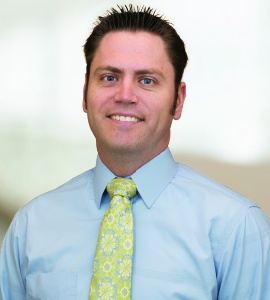
Who is Dr. Clark, Pediatrician in Roy, UT?
Where did Dr. Clark go to medical school and complete their residency?
Residency: University of Nevada School of Medicine Program
Medical School: Touro University - California Touro University College of Osteopathic Medicine
What languages does Dr. Clark speak?
Dr. Clark and their clinical team can communicate with patients in the following languages:
- English
- Spanish
What conditions does a Pediatrician like Dr. Clark typically treat?
As a Pediatrician, Dr. Clark diagnoses, treats, and manages a wide range of conditions. This condition information is derived from anonymized insurance claims and highlights the medical conditions most commonly treated by Dr. Clark. It provides insight into the doctor’s areas of experience and expertise based on real-world patient encounters from the past two years, updated quarterly. Learn more about our claims-based healthcare methodology.
Also known as:
- Routine Child Health Examination (Normal Findings)
- Health Checkup
- Normal Well-Child Checkup
- Child Physical Exam (No Issues)
- Routine Pediatric Exam (Clear)
ICD-10 Codes:
- Z00129: Encounter for routine child health examination without abnormal findings
Also known as:
- Immunization Visit
- Vaccines
- Vaccination appointment
- Shot visit
- Immunization encounter
ICD-10 Codes:
- Z23: Encounter for immunization
Also known as:
- Common Cold
- Upper Respiratory Infection
- Head Cold
- Cold Symptoms
ICD-10 Codes:
- J069: Acute upper respiratory infection, unspecified
Also known as:
- Sore Throat
- Acute pharyngitis
- Throat inflammation
- Acute throat infection
ICD-10 Codes:
- J029: Acute pharyngitis, unspecified
Also known as:
- ADHD, Combined Type
- Attention Deficit Hyperactivity Disorder
- Attention-deficit/hyperactivity disorder
- Combined ADHD
- Typical ADHD
ICD-10 Codes:
- F902: Attention-deficit hyperactivity disorder, combined type
Also known as:
- Fever
- High temperature
- Pyrexia
- Elevated body temperature
ICD-10 Codes:
- R509: Fever, unspecified
Also known as:
- Autism Screening
- Autism Spectrum Disorder (ASD) Screening
- ASD Screening
- Autism Spectrum Disorder Test
- Early Autism Detection
ICD-10 Codes:
- Z1341: Encounter for autism screening
What procedures does a Pediatrician like Dr. Clark typically perform?
As a Pediatrician, Dr. Clark performs a variety of medical procedures. This procedure information is derived from anonymized insurance claims and highlights the medical procedures most commonly performed by Dr. Clark. It provides insight into the doctor’s areas of experience and expertise based on real-world patient encounters from the past two years, updated quarterly. Learn more about our claims-based healthcare methodology.
Also known as:
- Simple Wound Repair (Small)
- Simple Repair of Small Facial Wound
- Wounds and Injuries
- Minor Laceration Repair
- Superficial Wound Closure
- Small Cut Stitching
- Simple Skin Repair
- Superficial Wound Closure (Face)
- Minor Facial Laceration Repair
- Stitches for Small Face Cut
CPT Codes:
- 12001: Simple repair of superficial wounds of scalp, neck, axillae, external genitalia, trunk and/or extremities (including hands and feet); 2.5 cm or less
- 12011: Simple repair of superficial wounds of face, ears, eyelids, nose, lips and/or mucous membranes; 2.5 cm or less
Also known as:
- Removal of Benign Skin Lesions
- Removal of Multiple Benign Skin Lesions
- Benign Skin Growth Destruction
- Skin Lesion Excision
- Cryosurgery for Skin Lesions
- Electrosurgery for Skin Lesions
- Skin Growth Destruction
- Benign Lesion Excision
- Electrosurgery for Skin Growths
CPT Codes:
- 17110: Destruction (eg, laser surgery, electrosurgery, cryosurgery, chemosurgery, surgical curettement), of benign lesions other than skin tags or cutaneous vascular proliferative lesions; up to 14 lesions
- 17111: Destruction (eg, laser surgery, electrosurgery, cryosurgery, chemosurgery, surgical curettement), of benign lesions other than skin tags or cutaneous vascular proliferative lesions; 15 or more lesions
Also known as:
- Abscess Drainage
- Abscess
- Incision and Drainage (I&D)
- Boil Lancing
- Cyst Drainage
- Skin Abscess Removal
CPT Codes:
- 10060: Incision and drainage of abscess (eg, carbuncle, suppurative hidradenitis, cutaneous or subcutaneous abscess, cyst, furuncle, or paronychia); simple or single
Also known as:
- Non-Surgical Wrist Fracture Treatment
- Closed Distal Radial Fracture Treatment
- Colles Fracture Treatment
- Smith Fracture Treatment
- Ulnar Styloid Fracture Treatment
CPT Codes:
- 25600: Closed Treatment Of Distal Radial Fracture (Eg, Colles Or Smith Type) Or Epiphyseal Separation, Includes Closed Treatment Of Fracture Of Ulnar Styloid, When Performed; Without Manipulation
Does Dr. Clark accept my insurance?
Dr. Clark accepts most major insurance plans. Important: Please contact the office before your appointment to verify that your specific plan and network are accepted.
What insurance plans does Dr. Clark accept in Roy, UT?
Dr. Clark in Roy, UT accepts plans from many carriers. While this list is updated regularly, it is not a guarantee of coverage.
Top Insurances
Cambia Health Solutions
Cigna Group
CVS Health (formerly Aetna)
Federal government of the United States
Intermountain Health
Molina Healthcare
State of Utah
UMR Administered Payer
UnitedHealth Group
University of Utah
View All Insurances
Where is Dr. Clark's office located?
What hospitals are Dr. Clark affiliated with?

Castle Connolly Top Hospital
This doctor is affiliated with a Castle Connolly Top Hospital.
Dr. Clark has admitting privileges at the following hospitals:



What is Dr. Clark's NPI number?A National Provider Identifier (NPI) is a unique ID number that identifies doctors and healthcare providers nationwide.
Dr. Clark's National Provider Identifier (NPI) number is 1649532466.
What common questions do patients ask about Dr. Clark?
Here are answers to patients Frequently Asked Questions (FAQ’s) about Dr. Clark