
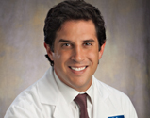
19 Years of Experience
Accepting patients
Affiliated with a Castle Connolly Top Hospital
Who is Dr. Hafron, Urologist in Novi, MI?
Dr. Jason Hafron, MD is an Urologist, who primarily practices in Novi, MI with 2 additional practice locations. He has been practicing for over 19 years and is board certified. Dr. Hafron graduated from Loyola University Chicago Stritch School of Medicine and completed his residency at Montefiore Medical Center. Dr. Hafron is fluent in English and Spanish, and is currently seeing new patients. Dr. Hafron’s practice accepts Medicare, Aetna, Cigna, UnitedHealthcare and other major insurance plans. To book an appointment or to confirm insurance options, please call Dr. Hafron’s office at (248) 539-9036.
What are Areas of Expertise for Dr. Hafron?
Dr. Jason Hafron, MD is a highly-rated, board-certified Urologist known for expertly diagnosing, treating, and managing a wide array of related conditions and procedures. Utilizing the latest medical advancements and evidence-based practices, Dr. Hafron empowers patients to confidently navigate their health journey, specializing in Minimally Invasive Urologic Surgery, Prostate Benign Disease (BPH), and comprehensive wellness support. Serving the Novi, MI community, Dr. Hafron is dedicated to enhancing lives through expert, patient-centered care.
Where did Dr. Hafron go to medical school and complete their residency?
Fellowship: Cleveland Clinic, Laparoscopic & Robotic Surgery | Cleveland Clinic Foundation
Residency: Montefiore Medical Center | Montefiore Medical Center | Albert Einstein College of Medicine Affiliated Hospitals | Montefiore Medical Center/Albert Einstein College of Medicine (Montefiore) Program
Medical School: Loyola University Chicago Stritch School of Medicine
Is Dr. Hafron board certified as an Urologist?
Yes, Dr. Jason Hafron, MD is board certified by the American Board of Urology
What languages does Dr. Hafron speak?
Dr. Hafron and their clinical team can communicate with patients in the following languages:
English
Spanish
What conditions does an Urologist like Dr. Hafron typically treat?
As an Urologist, Dr. Hafron diagnoses, treats, and manages a wide range of conditions. This condition information is derived from anonymized insurance claims and highlights the medical conditions most commonly treated by Dr. Hafron. It provides insight into the doctor’s areas of experience and expertise based on real-world patient encounters from the past two years, updated quarterly. Learn more about our claims-based healthcare methodology.
Also known as:
- Prostate Cancer
- Prostate Cancer Treatment (PDQ®)
- Prostatic Carcinoma
- Prostate Gland Cancer
- Malignant Prostate Tumor
ICD-10 Codes:
- C61: Malignant neoplasm of prostate
Also known as:
- Enlarged Prostate with Urinary Symptoms
- Enlarged Prostate (BPH)
- Enlarged Prostate (Benign Prostatic Hyperplasia)
- BPH with LUTS
- Prostate enlargement with urinary issues
- Benign prostatic hyperplasia with urinary symptoms
ICD-10 Codes:
- N401: Benign prostatic hyperplasia with lower urinary tract symptoms
Also known as:
- Frequent Urination
- Waking Up to Urinate at Night
- Urine and Urination
- Urinary frequency
- Peeing often
- Frequent need to urinate
- Nocturia
- Nighttime urination
- Frequent night peeing
ICD-10 Codes:
- R350: Frequency of micturition
- R351: Nocturia
Also known as:
- Elevated PSA Level
- Prostate Cancer Screening
- Prostate Disease
- Prostate-Specific Antigen (PSA) Test
- Prostate Problems
- High Prostate Specific Antigen
- Abnormal PSA Test
- Increased PSA
ICD-10 Codes:
- R9720: Elevated prostate specific antigen [PSA]
Also known as:
- Kidney Stones
- Renal Calculi
- Nephrolithiasis
- Kidney Calculi
ICD-10 Codes:
- N200: Calculus of kidney
Also known as:
- Visible Blood in Urine
- Urine and Urination
- Hematuria (Blood in the Urine)
- Gross hematuria
- Macroscopic hematuria
- Bloody pee
ICD-10 Codes:
- R310: Gross hematuria
Also known as:
- Cancer Follow-up Exam
- Cancer
- Post-cancer treatment checkup
- Malignancy surveillance
- Oncology follow-up
ICD-10 Codes:
- Z08: Encounter for follow-up examination after completed treatment for malignant neoplasm
What procedures does an Urologist like Dr. Hafron typically perform?
As an Urologist, Dr. Hafron performs a variety of medical procedures. This procedure information is derived from anonymized insurance claims and highlights the medical procedures most commonly performed by Dr. Hafron. It provides insight into the doctor’s areas of experience and expertise based on real-world patient encounters from the past two years, updated quarterly. Learn more about our claims-based healthcare methodology.
Also known as:
- Bladder Ultrasound for Residual Urine
- Post-void residual urine measurement
- Bladder capacity ultrasound
- Non-imaging bladder scan
CPT Codes:
- 51798: Measurement of post-voiding residual urine and/or bladder capacity by ultrasound, non-imaging
Also known as:
- Bladder and Urethra Scope
- Cystoscopy
- Urethroscopy
- Bladder scope procedure
CPT Codes:
- 52000: Cystourethroscopy (separate procedure)
Also known as:
- Complex Bladder Pressure Test
- Complex Cystometrogram
- Voiding Pressure Study
- Bladder Function Test with Pressure
CPT Codes:
- 51728: Complex cystometrogram (ie, calibrated electronic equipment); with voiding pressure studies (ie, bladder voiding pressure), any technique
Also known as:
- Muscle Activity Test of Anal or Urethral Sphincter
- Sphincter EMG
- Anal Sphincter Electromyography
- Urethral Sphincter EMG
- Pelvic Floor Muscle Test
CPT Codes:
- 51784: Electromyography studies (EMG) of anal or urethral sphincter, other than needle, any technique
Also known as:
- Ureteral Stent Placement (via Cystoscopy)
- Cystoscopy with ureteral stent
- Double-J stent insertion
- Gibbons stent placement
- Kidney stent placement
CPT Codes:
- 52332: Cystourethroscopy, with insertion of indwelling ureteral stent (eg, Gibbons or double-J type)
Also known as:
- Bladder Irrigation
- Bladder Wash
- Bladder Lavage
- Bladder Instillation
CPT Codes:
- 51700: Bladder irrigation, simple, lavage and/or instillation
Also known as:
- Bladder Cancer Medicine Instillation
- Intravesical Chemotherapy
- Bladder Drug Instillation
- Anticancer Bladder Treatment
CPT Codes:
- 51720: Bladder instillation of anticarcinogenic agent (including retention time)
Also known as:
- Prostate Biopsy
- Needle Biopsy of Prostate
- Punch Biopsy of Prostate
- Prostate Tissue Sample
CPT Codes:
- 55700: Biopsy, prostate; needle or punch, single or multiple, any approach
Does Dr. Hafron accept my insurance?
Dr. Hafron accepts most major insurance plans. Important: Please call our office at (248) 539-9036 before your appointment to verify that your specific plan and network are accepted.
What insurance plans does Dr. Hafron accept in Novi, MI?
Dr. Hafron in Novi, MI accepts plans from many carriers. While this list is updated regularly, it is not a guarantee of coverage.
Top Insurances
Blue Cross Blue Shield Association
Blue Cross Blue Shield of Michigan
Corewell Health
CVS Health (formerly Aetna)
Elevance Health Inc. (formerly Anthem)
Humana
Medicare
Spectrum / Priority Health
UnitedHealth Group
Unknown
View All Insurances
Where is Dr. Hafron's office located?
Dr. Jason Hafron's Primary Practice
25500 Meadowbrook Rd Ste 225
Novi, MI 48375
(248) 539-9036
What is Dr. Hafron's NPI number?An National Provider Identifier (NPI) is a unique ID number that identifies doctors and healthcare providers nationwide.
Dr. Hafron's National Provider Identifier (NPI) number is 1255483277.
What common questions do patients ask about Dr. Hafron?
Here are answers to patients Frequently Asked Questions (FAQ’s) about Dr. Hafron
What is Dr. Jason Hafron's specialty?
Dr. Hafron is a Urologist near Novi, MI.
What does an Urologist do?
A urologist is a healthcare professional with specialization in managing both benign and malignant medical and surgical disorders of the genitourinary system and adrenal glands. They possess extensive knowledge and skills in endoscopic, percutaneous, and open surgical techniques for addressing congenital and acquired conditions of the urinary and reproductive systems, as well as their associated structures.
Is this Dr. Jason Hafron affiliated with a ranked Castle Connolly Top Hospital?
Yes, Dr. Hafron is affiliated with Corewell Health William Beaumont University Hospital, Corewell Health Beaumont Troy Hospital which are a Castle Connolly Top Hospitals. Castle Connolly Top Hospitals are healthcare institutions recognized for their excellence in specific medical procedures and overall patient care. They are identified through a rigorous peer nomination process, evaluating factors like patient outcomes, quality of care, and expertise. The list recognizes hospitals that excel in 20 or more specific medical procedures, representing the top 25% nationwide. Castle Connolly Top Hospitals
When to see an Urologist?: Guides for symptoms, conditions, and treatments
Understand your symptoms and know when it’s time to see an Urologist. Explore insights from trusted medical experts on EverydayHealth.com, where you'll find the most relevant content and helpful condition guides for up-to date information about symptoms, causes, diagnosis, treatment and more. See all our health guides to find trusted information on medical conditions from our experts at Everyday Health.
Is Jason Hafron accepting new patients in Novi, MI?
Yes, Dr. Jason Hafron is accepting new patients at this time.
Does Dr. Jason Hafron offer online booking?
Please contact Dr. Hafron's office at (248) 539-9036 for information about online booking, telehealth, or to schedule an appointment.
How can I make an appointment with Jason Hafron?
Please contact Dr. Hafron's office at (248) 539-9036 for information regarding telehealth appointment availability or for scheduling assistance.
Which board certifications does Dr. Jason Hafron have?
Dr. Jason Hafron is certified by the American Board of Urology.
Other Urologist Near Novi, MI
Urologist
 Accepting patients
Dr. Jennifer Sobol, DO is an Urologist, who primarily practices in Novi, MI with 2 additional practice locations.
Novi, MI
Urologist
Accepting patientsDr. Brian Seifman, MD is an Urologist, who primarily practices in Novi, MI with 2 additional practice locations.
Novi, MI

Urogynecologist
Accepting patientsDr. Melissa Fischer, MD is an Urogynecologist, who primarily practices in Novi, MI with 2 additional practice locations. She is board certified.
Novi, MI