
27 Years of Experience
Affiliated with a Castle Connolly Top Hospital
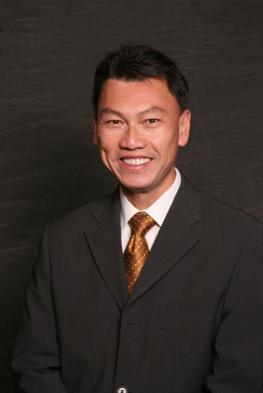
Who is Dr. Chang, Pediatric Otolaryngologist in Palo Alto, CA?
Dr. Kay Chang, MD is a Pediatric Otolaryngologist, who primarily practices in Palo Alto, CA. He has been practicing for over 27 years and is board certified. Dr. Chang graduated from The Warren Alpert Medical School of Brown University and completed his residency at Univ Hlth Ctr Of Pittsburgh, Pediatric Otolaryngology; Univ Of Wa Sch Of Med, Otolaryngology; Univ Of Wa Sch Of Med, General Surgery. Dr. Chang is fluent in English, Chinese, and Spanish, and is currently seeing new patients. Dr. Chang’s practice accepts Kaiser Permanente, Medicaid, Medicare, Aetna, Cigna, UnitedHealthcare and other major insurance plans. To book an appointment or to confirm insurance options, please call Dr. Chang’s office at (650) 497-8000.
What are Areas of Expertise for Dr. Chang?
Dr. Kay Chang, MD is a highly-rated, board-certified Pediatric Otolaryngologist known for expertly diagnosing, treating, and managing a wide array of related conditions and procedures. Utilizing the latest medical advancements and evidence-based practices, Dr. Chang empowers patients to confidently navigate their health journey, specializing in Cochlear Implants, Ear Reconstruction/Microtia, Hearing Loss, Otology, and comprehensive wellness support. Serving the Palo Alto, CA community, Dr. Chang is dedicated to enhancing lives through expert, patient-centered care.
Where did Dr. Chang go to medical school and complete their residency?
Residency: Univ Hlth Ctr Of Pittsburgh, Pediatric Otolaryngology; Univ Of Wa Sch Of Med, Otolaryngology; Univ Of Wa Sch Of Med, General Surgery
Medical School: The Warren Alpert Medical School of Brown University
Is Dr. Chang board certified as a Pediatric Otolaryngologist?
Yes, Dr. Kay Chang, MD is board certified by the American Board of Otolaryngology
What languages does Dr. Chang speak?
Dr. Chang and their clinical team can communicate with patients in the following languages:
Chinese
English
Spanish
What conditions does a Pediatric Otolaryngologist like Dr. Chang typically treat?
As a Pediatric Otolaryngologist, Dr. Chang diagnoses, treats, and manages a wide range of conditions. This condition information is derived from anonymized insurance claims and highlights the medical conditions most commonly treated by Dr. Chang. It provides insight into the doctor’s areas of experience and expertise based on real-world patient encounters from the past two years, updated quarterly. Learn more about our claims-based healthcare methodology.
Also known as:
- Sensorineural Hearing Loss
- Conductive Hearing Loss
- Hearing Disorder and Deafness
- Nonsyndromic hearing loss
- Nerve Deafness
- Inner Ear Hearing Loss
- SNHL
- Permanent Hearing Loss
- Sound transmission hearing loss
- Outer or middle ear hearing loss
- Temporary hearing loss
ICD-10 Codes:
- H903: Sensorineural hearing loss, bilateral
- H900: Conductive hearing loss, bilateral
Also known as:
- Obstructive Sleep Apnea
- Sleep Apnea
- Obstructive sleep apnea
- OSA
- Blocked airway during sleep
- Snoring and gasping during sleep
ICD-10 Codes:
- G4733: Obstructive sleep apnea (adult) (pediatric)
Also known as:
- Blocked Earwax
- Ear Disorder
- Impacted earwax
- Earwax impaction
- Excess earwax
ICD-10 Codes:
- H6123: Impacted cerumen, bilateral
Also known as:
- Small or Undeveloped Ear
- Craniofacial Abnormality
- Microtia Ear Deformity
- Congenital Small Ear
- Ear Malformation
ICD-10 Codes:
- Q172: Microtia
Also known as:
- Ear Infection
- Otitis Media
- Middle Ear Infection
- Ear Inflammation
ICD-10 Codes:
- H6593: Unspecified nonsuppurative otitis media, bilateral
Also known as:
- Having Ear Tubes
- Tympanostomy tubes
- Grommets
- Ventilation tubes
ICD-10 Codes:
- Z9622: Myringotomy tube(s) status
What procedures does a Pediatric Otolaryngologist like Dr. Chang typically perform?
As a Pediatric Otolaryngologist, Dr. Chang performs a variety of medical procedures. This procedure information is derived from anonymized insurance claims and highlights the medical procedures most commonly performed by Dr. Chang. It provides insight into the doctor’s areas of experience and expertise based on real-world patient encounters from the past two years, updated quarterly. Learn more about our claims-based healthcare methodology.
Also known as:
- Ear Tube Insertion (General Anesthesia)
- Anesthesia
- Tympanostomy with Tubes
- Myringotomy with Tube Placement
- Ventilating Tube Insertion (Ear)
CPT Codes:
- 69436: Tympanostomy (requiring insertion of ventilating tube), general anesthesia
Also known as:
- Impacted Ear Wax Removal (One Ear)
- Cerumen Impaction Removal
- Ear Wax Extraction with Tools
- Professional Ear Cleaning
CPT Codes:
- 69210: Removal impacted cerumen requiring instrumentation, unilateral
Also known as:
- Tonsil and Adenoid Removal (Children)
- Pediatric Tonsillectomy
- Adenoidectomy for Kids
- T&A Surgery
CPT Codes:
- 42820: Tonsillectomy and adenoidectomy; younger than age 12
Also known as:
- Adenoid Removal for Children
- Pediatric Adenoidectomy
- Adenoid Surgery for Kids
- Removal of Adenoids
CPT Codes:
- 42830: Adenoidectomy, primary; younger than age 12
Also known as:
- Drug-Induced Sleep Endoscopy (DISE)
- DISE Procedure
- Sleep Apnea Endoscopy
- Flexible Sleep Endoscopy
- Upper Airway Endoscopy for Sleep Apnea
CPT Codes:
- 42975: Drug-induced sleep endoscopy, with dynamic evaluation of velum, pharynx, tongue base, and larynx for evaluation of sleep-disordered breathing, flexible, diagnostic
Also known as:
- Diagnostic Nasal Endoscopy
- Endoscopy
- Nose Scope
- Rhinoscope
- Nasal Examination with Scope
CPT Codes:
- 31231: Nasal endoscopy, diagnostic, unilateral or bilateral (separate procedure)
Also known as:
- Turbinate Reduction Surgery
- Nasal Turbinate Ablation
- Inferior Turbinate Reduction
- Radiofrequency Turbinate Reduction
CPT Codes:
- 30802: Ablation, soft tissue of inferior turbinates, unilateral or bilateral, any method (eg, electrocautery, radiofrequency ablation, or tissue volume reduction); intramural (ie, submucosal)
Does Dr. Chang accept my insurance?
Dr. Chang accepts most major insurance plans. Important: Please call our office at (650) 497-8000 before your appointment to verify that your specific plan and network are accepted.
What insurance plans does Dr. Chang accept in Palo Alto, CA?
Dr. Chang in Palo Alto, CA accepts plans from many carriers. While this list is updated regularly, it is not a guarantee of coverage.
Top Insurances
All Other Third Party
Blue Shield of California
California Water Service Group
Centene Corporation
Cigna Group
CVS Health (formerly Aetna)
Santa Cruz County
State of California
UnitedHealth Group
Unknown
View All Insurances
Where is Dr. Chang's office located?
Recognitions
Publications
Concordance between the chang and the Intertiol Society of Pediatric Oncology
, 2014
GJB2-Associated Hearing Loss: Systematic Review of Worldwide Prevalence, Genotype
, 2014
The proximal bronchoplasty retrieval technique for removal of embedded distal airway foreign bodies
, 2014
Hearing outcomes of atresia surgery versus osseointegrated bone conduction device
, 2013
Lip Abscess Associated With Isotretinoin Treatment of Acne Vulgaris
, 2013
beta-Adrenergic receptor expression in vascular tumors
, 2012
Platinum-Induced Ototoxicity in Children: A Consensus Review on Mechanisms, Predisposition
, 2012
Is It Valid to Calculate the 3-Kilohertz Threshold by Averaging 2 and 4 Kilohertz?
, 2012
CT Alysis Demonstrates That Cochlear Height Does Not Change with Age
, 2012
Clinically Accurate Assessment and Grading of Ototoxicity
, 2011
Diagnostic Yield in the Workup of Congenital Sensorineural Hearing Loss Is Dependent on Patient
, 2011
Propranolol for the treatment of airway hemangiomas: A case series and treatment algorithm
, 2010
Practical Grading System for Evaluating Cisplatin Ototoxicity in Children
, 2010
Connexin-26-associated deafness: Phenotypic variability and progression of hearing loss
, 2010
Propranolol for the Treatment of a Life-Threatening Subglottic and Mediastil Infantile Hemangioma
, 2010
Amifostine Does Not Prevent Platinum
, 2009
Otorrhea in Infants With Tympanostomy Tubes Before and After Surgical Repair of a Cleft Palate
, 2009
Evaluation of unilateral referrals on neotal hearing screening
, 2009
Intracapsular versus subcapsular coblation tonsillectomy
, 2008
Utility of temporal bone computed tomographic measurements
, 2008
Recovery from cisplatin-induced ototoxicity.
, 2007
Two patients with the V371
, 2006
Amifostine does not protect against the ototoxicity of high
, 2005
Not your routine foreign body: Endobronchial tuberculosis in an infant
, 2005
Randomized controlled trial of Coblation versus electrocautery tonsillectomy
, 2005
Prevention of cisplatin ototoxicity using transtympanic N-acetylcysteine and lactate
, 2004
A randomized study of platinum
, 2004
Pediatric residents' clinical diagnostic accuracy of otitis media
, 2002
Efferently mediated changes in the quadratic distortion product (f2-f1)
, 1997
The effects of continuous versus interrupted noise exposures on distortion product otoacoustic
, 1996
EXTERL AND MIDDLE-EAR STATUS RELATED TO EVOKED OTOACOUSTIC EMISSION IN NEOTES
, 1993
Wegener's granulomatosis in an adolescent presenting with pachymeningitis
, 2011
Salivary Gland Anlage Tumor in a Neote Presenting with Respiratory Distress
, 2009
Third branchial cleft fistula infected with Actinomyces
, 2008
Familial laryngomalacia in two siblings with syndromic features
, 2006
Posttransplantation lymphoproliferative disorder of the parasal sinuses in a child
, 2006
Evaluation and magement of hoarseness in children.
, 1996
IATROGENIC HYPOTREMIA - A CAUSE OF DEATH FOLLOWING PEDIATRIC TONSILLECTOMY
, 1994
What is Dr. Chang's NPI number?An National Provider Identifier (NPI) is a unique ID number that identifies doctors and healthcare providers nationwide.
Dr. Chang's National Provider Identifier (NPI) number is 1649318577.
What common questions do patients ask about Dr. Chang?
Here are answers to patients Frequently Asked Questions (FAQ’s) about Dr. Chang
What is Dr. Kay Chang's specialty?
Dr. Chang is a Pediatric Otolaryngologist near Palo Alto, CA.
What does a Pediatric Otolaryngologist do?
A pediatric otolaryngologist specializes in managing infants and children with congenital and acquired conditions of the aerodigestive tract, nose, sinuses, ears, and other head and neck areas. They have expertise in diagnosing and treating childhood disorders related to voice, speech, language, and hearing.
Is this Dr. Kay Chang affiliated with a ranked Castle Connolly Top Hospital?
Yes, Dr. Chang is affiliated with Stanford Health Care - Stanford Hospital which is a Castle Connolly Top Hospital. Castle Connolly Top Hospitals are healthcare institutions recognized for their excellence in specific medical procedures and overall patient care. They are identified through a rigorous peer nomination process, evaluating factors like patient outcomes, quality of care, and expertise. The list recognizes hospitals that excel in 20 or more specific medical procedures, representing the top 25% nationwide. Castle Connolly Top Hospitals
When to see a Pediatric Otolaryngologist?: Guides for symptoms, conditions, and treatments
Understand your symptoms and know when it’s time to see a Pediatric Otolaryngologist. Explore insights from trusted medical experts on EverydayHealth.com, where you'll find the most relevant content and helpful condition guides for up-to date information about symptoms, causes, diagnosis, treatment and more. See all our health guides to find trusted information on medical conditions from our experts at Everyday Health.
Is Kay Chang accepting new patients in Palo Alto, CA?
Yes, Dr. Kay Chang is accepting new patients at this time.
Does Dr. Kay Chang offer online booking?
Please contact Dr. Chang's office at (650) 497-8000 for information about online booking, telehealth, or to schedule an appointment.
How can I make an appointment with Kay Chang?
Please contact Dr. Chang's office at (650) 497-8000 for information regarding telehealth appointment availability or for scheduling assistance.
Which board certifications does Dr. Kay Chang have?
Dr. Kay Chang is certified by the American Board of Otolaryngology.
Other Pediatric Otolaryngologist Near Palo Alto, CA
Pediatric Otolaryngologist
Pediatric Otolaryngologist
 Accepting patients
Pediatric Otolaryngologist
Accepting patients