
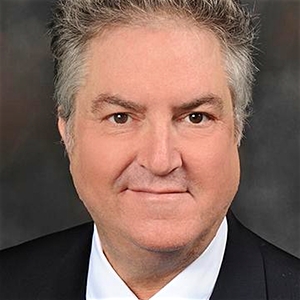
32 Years of Experience
Accepting patients
Who is Dr. Barak, Ophthalmologist in La Verne, CA?
Dr. Mark Barak, MD is an Ophthalmologist, who primarily practices in La Verne, CA with 1 additional practice location. He has been practicing for over 32 years and is board certified. Dr. Barak graduated from University of California and completed his residency at Fairview-Univ Med Ctr, Ophthalmology; Univ Of Wi Hosp & Cli, Ophthalmology; Vet Affairs Med Ctr, Internal Medicine. Dr. Barak is fluent in English and Spanish, and is currently seeing new patients. Dr. Barak’s practice accepts Kaiser Permanente, Medicaid, Medicare and other major insurance plans. To book an appointment or to confirm insurance options, please call Dr. Barak’s office.
Where did Dr. Barak go to medical school and complete their residency?
Residency: Fairview-Univ Med Ctr, Ophthalmology; Univ Of Wi Hosp & Cli, Ophthalmology; Vet Affairs Med Ctr, Internal Medicine
Medical School: University of Ca, San Diego, Sch of Med, La Jolla Ca | University of California
Is Dr. Barak board certified as an Ophthalmologist?
Yes, Dr. Mark Barak, MD is board certified by the American Board of Ophthalmology
What languages does Dr. Barak speak?
Dr. Barak and their clinical team can communicate with patients in the following languages:
English
Spanish
What conditions does an Ophthalmologist like Dr. Barak typically treat?
As an Ophthalmologist, Dr. Barak diagnoses, treats, and manages a wide range of conditions. This condition information is derived from anonymized insurance claims and highlights the medical conditions most commonly treated by Dr. Barak. It provides insight into the doctor’s areas of experience and expertise based on real-world patient encounters from the past two years, updated quarterly. Learn more about our claims-based healthcare methodology.
Also known as:
- Cataract
- Other Secondary Cataract
- Cloudy lens
- Lens clouding
- Eye cloudiness
- Cataract from another condition
- Complicated cataract
- Acquired cataract
ICD-10 Codes:
- H25813: Combined forms of age-related cataract, bilateral
- H25093: Other age-related incipient cataract, bilateral
- H26493: Other secondary cataract, bilateral
Also known as:
- Borderline Open-Angle Glaucoma
- Glaucoma
- Early Open-Angle Glaucoma
- Open-angle glaucoma suspect
- Risk of Open-Angle Glaucoma
ICD-10 Codes:
- H40023: Open angle with borderline findings, high risk, bilateral
Also known as:
- Other Diabetes with Diabetic Retinopathy and Macular Edema
- Diabetes
- Diabetic Eye Problems
- Diabetic Eye Disease with Swelling
- Macular Edema from Diabetes
- Retina Swelling with Diabetes
ICD-10 Codes:
- E13311: Other specified diabetes mellitus with unspecified diabetic retinopathy with macular edema
Also known as:
- Intraocular Lens Implant
- Cataract
- Refractive Errors
- IOL Implant
- Artificial Eye Lens
- Cataract Lens Implant
ICD-10 Codes:
- Z961: Presence of intraocular lens
Also known as:
- Dry Eyes
- Tears
- Dry eye syndrome
- Keratoconjunctivitis sicca
- Ocular dryness
ICD-10 Codes:
- H04123: Dry eye syndrome of bilateral lacrimal glands
What procedures does an Ophthalmologist like Dr. Barak typically perform?
As an Ophthalmologist, Dr. Barak performs a variety of medical procedures. This procedure information is derived from anonymized insurance claims and highlights the medical procedures most commonly performed by Dr. Barak. It provides insight into the doctor’s areas of experience and expertise based on real-world patient encounters from the past two years, updated quarterly. Learn more about our claims-based healthcare methodology.
Also known as:
- Cataract Removal with Lens Implant
- Extracapsular cataract extraction
- Phacoemulsification
- IOL implantation
CPT Codes:
- 66984: Extracapsular cataract removal with insertion of intraocular lens prosthesis (1 stage procedure), manual or mechanical technique (eg, irrigation and aspiration or phacoemulsification); without endoscopic cyclophotocoagulation
Also known as:
- Laser Surgery for Secondary Cataract
- Laser Trabeculoplasty
- Tear Duct Opening Closure
- YAG Laser Capsulotomy
- Posterior Capsulotomy
- Secondary Cataract Removal
- Laser Eye Surgery
- Glaucoma laser surgery
- Laser eye treatment for glaucoma
- Trabeculoplasty
- Punctal Occlusion
- Lacrimal Punctum Closure
- Dry Eye Treatment (Punctal)
CPT Codes:
- 66821: Discission of secondary membranous cataract (opacified posterior lens capsule and/or anterior hyaloid); laser surgery (eg, YAG laser) (1 or more stages)
- 65855: Trabeculoplasty by laser surgery
- 68760: Closure of the lacrimal punctum; by thermocauterization, ligation, or laser surgery
Also known as:
- Eye Injection
- Intravitreal Injection
- Retinal Injection
- Macular Degeneration Injection
- Eye Medication Injection
CPT Codes:
- 67028: Intravitreal injection of a pharmacologic agent (separate procedure)
Also known as:
- Complex Cataract Removal with Lens Implant
- Advanced Cataract Surgery
- Phacoemulsification with IOL
- Complex Extracapsular Cataract Extraction
CPT Codes:
- 66982: Extracapsular cataract removal with insertion of intraocular lens prosthesis (1-stage procedure), manual or mechanical technique (eg, irrigation and aspiration or phacoemulsification), complex, requiring devices or techniques not generally used in routine cataract surgery (eg, iris expansion device, suture support for intraocular lens, or primary posterior capsulorrhexis) or performed on patients in the amblyogenic developmental stage; without endoscopic cyclophotocoagulation
Also known as:
- Tear Duct Plug Insertion
- Punctal Plug Insertion
- Lacrimal Punctum Closure
- Dry Eye Plugs
CPT Codes:
- 68761: Closure of the lacrimal punctum; by plug, each
Does Dr. Barak accept my insurance?
Dr. Barak accepts most major insurance plans. Important: Please call our office at before your appointment to verify that your specific plan and network are accepted.
What insurance plans does Dr. Barak accept in La Verne, CA?
Dr. Barak in La Verne, CA accepts plans from many carriers. While this list is updated regularly, it is not a guarantee of coverage.
Top Insurances
All Other Third Party
Blue Shield of California
Centene Corporation
City of Los Angeles
CVS Health (formerly Aetna)
Elevance Health Inc. (formerly Anthem)
Heritage Health
Medicare
UnitedHealth Group
Unknown
View All Insurances
Where is Dr. Barak's office located?
What is Dr. Barak's NPI number?An National Provider Identifier (NPI) is a unique ID number that identifies doctors and healthcare providers nationwide.
Dr. Barak's National Provider Identifier (NPI) number is 1467594838.
What common questions do patients ask about Dr. Barak?
Here are answers to patients Frequently Asked Questions (FAQ’s) about Dr. Barak
What is Dr. Mark Barak's specialty?
Dr. Barak is a Ophthalmologist near La Verne, CA.
What does an Ophthalmologist do?
An ophthalmologist possesses the knowledge and professional skills required to deliver comprehensive eye and vision care. These medical doctors are trained to diagnose, monitor, and treat all ocular and visual disorders, whether through medical or surgical interventions. Their expertise encompasses a wide range of issues affecting the eye and its structures, including the eyelids, orbit, and visual pathways. Additionally, ophthalmologists prescribe vision services, such as glasses and contact lenses, to help patients achieve optimal visual health.
Is this Dr. Mark Barak affiliated with a ranked Castle Connolly Top Hospital?
No, Barak is not affiliated with a Castle Connolly Top Hospital, but is affiliated with the following hospitals: Pomona Valley Hospital Medical Center. Castle Connolly Top Hospitals are identified through a rigorous peer nomination process, evaluating factors like patient outcomes, quality of care, and expertise. The list recognizes hospitals that excel in 20 or more specific medical procedures, representing the top 25% nationwide. Castle Connolly Top Hospitals
When to see an Ophthalmologist?: Guides for symptoms, conditions, and treatments
Understand your symptoms and know when it’s time to see an Ophthalmologist. Explore insights from trusted medical experts on EverydayHealth.com, where you'll find the most relevant content and helpful condition guides for up-to date information about symptoms, causes, diagnosis, treatment and more. See all our health guides to find trusted information on medical conditions from our experts at Everyday Health.
Is Mark Barak accepting new patients in La Verne, CA?
Yes, Dr. Mark Barak is accepting new patients at this time.
Does Dr. Mark Barak offer online booking?
Please contact Dr. Barak's office for information about online booking, telehealth, or to schedule an appointment.
How can I make an appointment with Mark Barak?
Please contact Dr. Barak's office for information regarding telehealth appointment availability or for scheduling assistance.
Which board certifications does Dr. Mark Barak have?
Dr. Mark Barak is certified by the American Board of Ophthalmology.
Other Ophthalmologist Near La Verne, CA

Ophthalmologist
 Accepting patients
Dr. Dennis Chuck, MD is an Ophthalmologist, who primarily practices in Pomona, CA. He has been practicing for over 40 years and is board certified.
Pomona, CA
LB
Ophthalmologist
Accepting patientsDr. Lori Birndorf, DO is an Ophthalmologist, who primarily practices in Valley Village, CA with 1 additional practice location.
Valley Village, CA
AC
Ophthalmologist
Accepting patientsDr. Alexander Chen is an Ophthalmologist, who primarily practices in Gardena, CA with 2 additional practice locations.
Gardena, CA