

Affiliated with a Castle Connolly Top Hospital
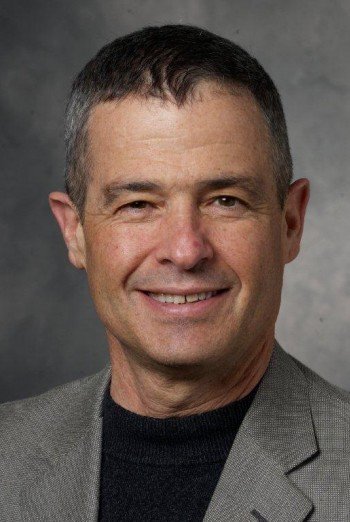
Who is Dr. Spain, Critical Care Surgeon in Stanford, CA?
Dr. David Spain, MD is a Critical Care Surgeon, who primarily practices in Stanford, CA with 2 additional practice locations. He is board certified. Dr. Spain graduated from Wayne State Universtiy School Of Medicine and completed his residency at R W Johnson Univ Hosp, General Surgery. Dr. Spain is fluent in English, and is currently seeing new patients. Dr. Spain’s practice accepts Kaiser Permanente, Medicaid, Medicare and other major insurance plans. To book an appointment or to confirm insurance options, please call Dr. Spain’s office at (650) 723-0173.
What are Areas of Expertise for Dr. Spain?
Dr. David Spain, MD is a highly-rated, board-certified Critical Care Surgeon known for expertly diagnosing, treating, and managing a wide array of related conditions and procedures. Utilizing the latest medical advancements and evidence-based practices, Dr. Spain empowers patients to confidently navigate their health journey, specializing in Laparoscopic Cholecystectomy, Splenectomy, Trauma/Critical Care, and comprehensive wellness support. Serving the Stanford, CA community, Dr. Spain is dedicated to enhancing lives through expert, patient-centered care.
Where did Dr. Spain go to medical school and complete their residency?
Residency: R W Johnson Univ Hosp, General Surgery
Medical School: Wayne State Universtiy School Of Medicine | University of Maryland At Baltimore / Professional Schools | Wayne State Universtiy School Of Medicine
Is Dr. Spain board certified as a Critical Care Surgeon?
Yes, Dr. David Spain, MD is board certified by the American Board of Surgery
What languages does Dr. Spain speak?
Dr. Spain and their clinical team can communicate with patients in the following languages:
English
What conditions does a Critical Care Surgeon like Dr. Spain typically treat?
As a Critical Care Surgeon, Dr. Spain diagnoses, treats, and manages a wide range of conditions. This condition information is derived from anonymized insurance claims and highlights the medical conditions most commonly treated by Dr. Spain. It provides insight into the doctor’s areas of experience and expertise based on real-world patient encounters from the past two years, updated quarterly. Learn more about our claims-based healthcare methodology.
Also known as:
- Groin Hernia (One Side)
- Incisional Hernia
- Ventral Hernia
- Umbilical Hernia
- Hernia
- Inguinal Hernia
- Unilateral Inguinal Hernia
- Single Groin Hernia
- Hernia in One Groin
- Post-surgical Hernia
- Surgical Incision Hernia
- Scar Hernia
- Abdominal Wall Hernia
- Epigastric Hernia
- Spigelian Hernia
- Belly Button Hernia
- Navel Hernia
- Umbilical Rupture
ICD-10 Codes:
- K4090: Unilateral inguinal hernia, without obstruction or gangrene, not specified as recurrent
- K432: Incisional hernia without obstruction or gangrene
- K439: Ventral hernia without obstruction or gangrene
- K429: Umbilical hernia without obstruction or gangrene
Also known as:
- Gallstones
- Cholelithiasis
- Gallbladder stones
- Biliary calculi
ICD-10 Codes:
- K8020: Calculus of gallbladder without cholecystitis without obstruction
Also known as:
- Other Pre-Procedure Examination
- Various pre-op checks
- Miscellaneous pre-surgery exams
- Other pre-treatment assessments
ICD-10 Codes:
- Z01818: Encounter for other preprocedural examination
Also known as:
- Intestinal Obstruction
- Bowel Obstruction
- Blocked Intestines
- Gut Blockage
ICD-10 Codes:
- K56609: Unspecified intestinal obstruction, unspecified as to partial versus complete obstruction
What procedures does a Critical Care Surgeon like Dr. Spain typically perform?
As a Critical Care Surgeon, Dr. Spain performs a variety of medical procedures. This procedure information is derived from anonymized insurance claims and highlights the medical procedures most commonly performed by Dr. Spain. It provides insight into the doctor’s areas of experience and expertise based on real-world patient encounters from the past two years, updated quarterly. Learn more about our claims-based healthcare methodology.
Also known as:
- Inguinal Hernia Repair (Adults and Children 5+)
- Small Abdominal Hernia Repair
- Abdominal Hernia Repair with Mesh
- Recurrent Inguinal Hernia Repair
- Groin Hernia Surgery
- Reducible Inguinal Hernia Repair
- First Inguinal Hernia Fix
- Adult Inguinal Hernia Surgery
- Ventral hernia repair
- Umbilical hernia surgery
- Epigastric hernia repair with mesh
- Incisional hernia repair
- Ventral Hernia Repair
- Umbilical Hernia Repair
- Incisional Hernia Repair
- Epigastric Hernia Surgery
- Repeat Groin Hernia Surgery
- Inguinal Hernia Recurrence Surgery
CPT Codes:
- 49505: Repair initial inguinal hernia, age 5 years or older; reducible
- 49591: Repair of anterior abdominal hernia(s) (ie, epigastric, incisional, ventral, umbilical, spigelian), any approach (ie, open, laparoscopic, robotic), initial, including implantation of mesh or other prosthesis when performed, total length of defect(s); less than 3 cm, reducible
- 49593: Repair of anterior abdominal hernia(s) (ie, epigastric, incisional, ventral, umbilical, spigelian), any approach (ie, open, laparoscopic, robotic), initial, including implantation of mesh or other prosthesis when performed, total length of defect(s); 3 cm to 10 cm, reducible
- 49520: Repair recurrent inguinal hernia, any age; reducible
Also known as:
- Laparoscopic Gallbladder Removal
- Keyhole Gallbladder Surgery
- Cholecystectomy Laparoscopic
- Minimally Invasive Gallbladder Surgery
CPT Codes:
- 47562: Laparoscopy, surgical; cholecystectomy
Also known as:
- Laparoscopic Appendectomy
- Minimally Invasive Appendectomy
- Keyhole Appendectomy
- Scope Appendectomy
CPT Codes:
- 44970: Laparoscopy, surgical, appendectomy
Also known as:
- Laparoscopic Intraperitoneal Catheter Insertion
- Tunneled Peritoneal Catheter Placement
- Laparoscopic Abdominal Catheter
- Peritoneal Dialysis Catheter Insertion
CPT Codes:
- 49324: Laparoscopy, surgical; with insertion of tunneled intraperitoneal catheter
Also known as:
- Small Soft Tissue Tumor Removal (Back/Flank)
- Back Lump Excision
- Flank Tumor Surgery
- Subcutaneous Mass Removal
CPT Codes:
- 21930: Excision, tumor, soft tissue of back or flank, subcutaneous; less than 3 cm
Does Dr. Spain accept my insurance?
Dr. Spain accepts most major insurance plans. Important: Please call our office at (650) 723-0173 before your appointment to verify that your specific plan and network are accepted.
What insurance plans does Dr. Spain accept in Stanford, CA?
Dr. Spain in Stanford, CA accepts plans from many carriers. While this list is updated regularly, it is not a guarantee of coverage.
Top Insurances
All Other Third Party
Blue Shield of California
Cigna Group
CVS Health (formerly Aetna)
Kaiser Permanente
Medicaid
Medicare
Santa Cruz County
State of California
UnitedHealth Group
View All Insurances
Where is Dr. Spain's office located?
Recognitions
Publications
Variability in California triage from 2005 to 2009
, 2014
Cost-effectiveness of helicopter versus ground emergency medical services for trauma scene
, 2013
Cost-effectiveness of preoperative imaging for appendicitis after indetermite ultrasonography in
, 2013
Triage of elderly trauma patients: a population-based perspective.
, 2013
Logistics of transfusion support for patients with massive hemorrhage
, 2013
Predictors of emergency department death
, 2012
Payer status is associated with the use of prophylactic inferior ve cava filter in high
, 2012
Outcomes of Complex Abdomil Herniorrhaphy Experience With 106 Cases
, 2012
Abdomil wall reconstruction with dual layer cross-linked porcine dermal xenograft
, 2012
The forgotten trauma patient
, 2012
Statins for Everyone Are We There Yet?
, 2012
Characteristics of Pediatric Trauma Transfers to a Level I Trauma Center
, 2010
Early outcomes of deliberate nonoperative magement for blunt thoracic aortic injury in trauma
, 2010
Demographic and Fincial Alysis of EMTALA Hand Patient Transfers.
, 2010
Emergency Innovation: Implications for the Trauma Surgeon
, 2009
Massive Transfusion Protocols
, 2009
Commitment to COT Verification Improves Patient Outcomes and Fincial Performance
, 2009
The impact of hypopituitarism on function
, 2009
Validation of a Prehospital Trauma Triage Tool: A 10-Year Perspective
, 2008
Insulin increases the release of proinflammatory mediators
, 2008
CT angiography effectively evaluates extremity vascular trauma
, 2008
Pediatric blunt abdomil injury: Age is irrelevant and delayed operation is not detrimental
, 2007
Venous air embolism and pressure infusion devices
, 2007
Recruitment strategies for a fall prevention program: If we build it, will they really come?
, 2007
Requests for 692 transfers to an academic Level I trauma center
, 2007
Early enteral nutrition after abdomil trauma: effects on septic morbidity and practicality.
, 2006
Dramatic shift in the primary magement of traumatic thoracic aortic rupture
, 2006
Endovascular magement of a gunshot wound to the thoracic aorta
, 2006
Are temporary inferior ve cava filters really temporary?
, 2005
Spontaneous splenic rupture: The masquerade of minor trauma
, 2005
Education and training of the future trauma surgeon in acute care surgery: trauma, critical care
, 2005
Potential targets to encourage a surgical career
, 2005
Poor validity of residual volumes as a marker for risk of aspiration in critically ill patients
, 2005
Interleukin-6 infusion blunts proinflarnmatory cytokine production without causing systematic
, 2004
Magement of acute complete tracheal transection caused by nonpenetrating trauma
, 2004
Perioperative risk assessment in elderly and high-risk patients
, 2004
Impairment of endothelium
, 2004
The continuing challenge of intra-abdomil infection.
, 2003
Society of University Surgeons position statement on the volume
, 2003
Intraperitoneal resuscitation improves intestil blood flow following hemorrhagic shock
, 2003
Immune-enhancing enteral diet increases blood flow and proinflammatory cytokines in the rat ileum
, 2003
Achievement of steady state optimizes results when performing indirect calorimetry
, 2003
Resuscitation regimens for hemorrhagic shock must contain blood
, 2002
When is the seriously ill patient ready to be fed?
, 2002
Risk factors for delirium tremens in trauma patients
, 2002
Examition of the role of abdomil computed tomography
, 2002
Generalized dilation of the visceral microvasculature by peritoneal dialysis solutions
, 2002
Immune-enhancing enteral diet selectively augments ileal blood flow in the rat
, 2002
Abdomil seat belt marks in the era of focused abdomil Sonography for trauma
, 2002
Do facial fractures protect the brain or are they a marker for severe head injury?
, 2002
Ventilator-associated pneumonia and surgical patients
, 2002
A comparison of alcohol-positive and alcohol-negative trauma patients
, 2002
Femoral vessel injuries
, 2002
Handsewn versus stapled astomosis in penetrating colon injuries requiring resection
, 2002
Development and implementation of a clinical pathway for severe traumatic brain injury
, 2001
Thermal injury in the elderly: When is comfort care the right choice?
, 2001
Progressive decrease in constrictor reactivity of the non-absorbing intestine during chronic sepsis
, 2001
Development and implementation of a clinical pathway for spil cord injuries
, 2001
Impact of recent trends of noninvasive trauma evaluation
, 2001
Penetrating colon injuries requiring resection
, 2001
Successful incorporation of the Severe Head Injury Guidelines into a phased
, 2001
A multicenter evaluation of whether gender dimorphism affects survival after trauma
, 2001
Incidental pericardial effusion during surgeon
, 2001
Delayed laparoscopy facilitates the magement of biliary peritonitis
, 2001
Sepsis increases NOS-2 activity
, 2001
Does cell-saver blood administration and free hemoglobin load cause rel dysfunction?
, 2001
Sustained infection induces 2 distinct microvascular mechanisms in the splanchnic circulation
, 2000
Lazaroid and pentoxifylline suppress sepsis
, 2000
Evolution in the magement of hepatic trauma: A 25-year perspective
, 2000
Prehospital hypotension as a valid indicator of trauma team activation
, 2000
Blunt hemopericardium detected by surgeon-performed sonography
, 2000
Practice magement guidelines tor prophylactic antibiotic use
, 2000
Should trauma surgeons do general surgery?
, 2000
Routine intragastric feeding following traumatic brain injury is safe and well tolerated
, 2000
Empyema and restrictive pleural processes after blunt trauma
, 2000
Discussion
, 2000
The continuing challenge of Fournier's gangrene in the 1990s
, 1999
Infusion protocol improves delivery of enteral tube feeding in the critical care unit
, 1999
Enteral tube feeding in the intensive care unit: Factors impeding adequate delivery
, 1999
Decreased alpha-adrenergic response in the intestil microcirculation after two
, 1999
Blunt carotid artery injuries: Difficulties with the diagnosis prior to neurologic event
, 1999
Glucose and glutamine gavage increase portal vein nitric oxide metabolite levels via adenosine A2b
, 1999
Common and exterl iliac artery injuries associated with pelvic fractures
, 1999
Subacute sepsis impairs vascular smooth muscle contractile machinery and alters vasoconstrictor
, 1999
Preoperative issues in clinical nutrition
, 1999
Interventiol techniques are useful adjuncts in nonoperative magement of hepatic injuries
, 1999
Complement activation mediates intestil injury after resuscitation from hemorrhagic shock
, 1999
Altered vasoconstrictor and dilator responses after a two
, 1999
Selective microvascular endothelial cell dysfunction
, 1998
Small intestil production of nitric oxide is decreased following resuscitated hemorrhage
, 1998
Complement inhibition prevents gut ischemia and endothelial cell dysfunction after hemorrhage
, 1998
Effect of a clinical pathway for severe traumatic brain injury on resource utilization
, 1998
Nutritiol magement in acute and chronic pancreatitis
, 1998
Microvascular changes explain the two-hit theory of multiple organ failure
, 1998
Comparison of sequential compression devices
, 1998
Thoracoscopy in the magement of posttraumatic persistent pneumothorax
, 1998
Altertives in the magement of penetrating injuries to the iliac vessels
, 1998
Impact of trauma attending surgeon case volume on outcome: Is more better?
, 1998
Quality assessment of intraoperative blood salvage and autotransfusion
, 1997
Lazaroid improves intestil blood flow in the rat during hyperdymic bacteraemia
, 1997
Twelfth rib resection - Preferred therapy for subphrenic abscess in selected surgical patients
, 1997
Percutaneous dilatiol tracheostomy for airway control
, 1997
Bedside percutaneous endoscopic gastrostomy
, 1997
Glucose-induced intestil hyperemia is mediated by nitric oxide
, 1997
Risk-taking behaviors among adolescent trauma patients
, 1997
Heme oxygese-dependent carbon monoxide production is a hepatic adaptive response to sepsis
, 1997
Intrahepatic vascular clamping in complex hepatic vein injuries
, 1997
Lazaroids prevent acute cyclosporine-induced rel vasoconstriction
, 1997
The role of thoracoscopy in the magement of retained thoracic collections after trauma
, 1997
Blunt popliteal artery trauma: A challenging injury
, 1997
Venous thromboembolism in the high-risk trauma patient
, 1997
Differential intestil microvascular dysfunction occurs during bacteremia
, 1997
Heparan preserves intestil perfusion after hemorrhage and resuscitation
, 1996
Operative strategies for magement of abdomil aortic gunshot wounds
, 1996
Free radical scavenging by lazaroids improves rel blood flow during sepsis
, 1996
Fluid resuscitation attenuates early cytokine mR expression after peritonitis
, 1996
Complex thoracic injuries
, 1996
Vasomotor response to pentoxifylline mediates improved rel blood flow to bacteremia.
, 1996
Predicting the need to pack early for severe intra-abdomil hemorrhage
, 1996
Preoperative saline loading improves outcome after elective, noncardiac surgical procedures
, 1996
ENDOTHELIN-1 EXPRESSION IN THE SMALL-INTESTINE DURING CHRONIC PERITONITIS
, 1995
Transpyloric passage of feeding tubes
, 1995
HAEMOPHILUS PNEUMONIA IS A COMMON-CAUSE OF EARLY PULMORY DYSFUNCTION FOLLOWING TRAUMA
, 1995
IS THE TIMING OF FRACTURE FIXATION IMPORTANT FOR THE PATIENT WITH MULTIPLE TRAUMA
, 1995
ALPHA-ADRENERGIC RECEPTOR ANTAGONISM PREVENTS INTESTIL VASOCONSTRICTION BUT NOT HYPOPERFUSION
, 1995
NITRIC-OXIDE MEDIATES REDISTRIBUTION OF INTRAREL BLOOD-FLOW DURING BACTEREMIA
, 1995
AN EXPERIMENTAL-STUDY OF ALTERED NITRIC
, 1995
PLATELET-ACTIVATING-FACTOR AND SEPSIS-INDUCED SMALL-INTESTIL MICROVASCULAR HYPOPERFUSION
, 1995
The delirious ICU patient: often misdiagnosed and undertreated.
, 1995
DIFFERENTIAL MICROVASCULAR RESPONSE TO CYCLOOXYGESE BLOCKADE IN THE RAT SMALL
, 1994
ANTIBIOTIC OVERKILL OF TRAUMA VICTIMS
, 1994
NITRIC-OXIDE SYNTHASE INHIBITION EXACERBATES SEPSIS-INDUCED REL HYPOPERFUSION
, 1994
ROLE OF NITRIC-OXIDE IN THE SMALL-INTESTIL MICROCIRCULATION DURING BACTEREMIA
, 1994
REL MICROVASCULAR RESPONSES TO SEPSIS ARE DEPENDENT ON NITRIC-OXIDE
, 1994
NITRIC-OXIDE SYNTHASE INHIBITION AGGRAVATES INTESTIL MICROVASCULAR VASOCONSTRICTION AND
, 1994
TRACHEOSTOMY AND PERCUTANEOUS ENDOSCOPIC GASTROSTOMY IN THE MAGEMENT OF THE HEAD
What is Dr. Spain's NPI number?An National Provider Identifier (NPI) is a unique ID number that identifies doctors and healthcare providers nationwide.
Dr. Spain's National Provider Identifier (NPI) number is 1427190412.
What common questions do patients ask about Dr. Spain?
Here are answers to patients Frequently Asked Questions (FAQ’s) about Dr. Spain
What is Dr. David Spain's specialty?
Dr. Spain is a Critical Care Surgeon near Stanford, CA.
What does a Critical Care Surgeon do?
A surgeon specializing in critical care medicine is an expert in managing critically ill and postoperative patients, particularly trauma victims. They are responsible to diagnose, treat, and support patients with multiple organ dysfunction. In addition to clinical care, these specialists may oversee the administration of intensive care units and coordinate patient care between the primary physician, critical care staff, and other specialists.
Is this Dr. David Spain affiliated with a ranked Castle Connolly Top Hospital?
Yes, Dr. Spain is affiliated with Stanford Health Care - Stanford Hospital which is a Castle Connolly Top Hospital. Castle Connolly Top Hospitals are healthcare institutions recognized for their excellence in specific medical procedures and overall patient care. They are identified through a rigorous peer nomination process, evaluating factors like patient outcomes, quality of care, and expertise. The list recognizes hospitals that excel in 20 or more specific medical procedures, representing the top 25% nationwide. Castle Connolly Top Hospitals
When to see a Critical Care Surgeon?: Guides for symptoms, conditions, and treatments
Understand your symptoms and know when it’s time to see a Critical Care Surgeon. Explore insights from trusted medical experts on EverydayHealth.com, where you'll find the most relevant content and helpful condition guides for up-to date information about symptoms, causes, diagnosis, treatment and more. See all our health guides to find trusted information on medical conditions from our experts at Everyday Health.
Is David Spain accepting new patients in Stanford, CA?
Yes, Dr. David Spain is accepting new patients at this time.
Does Dr. David Spain offer online booking?
Please contact Dr. Spain's office at (650) 723-0173 for information about online booking, telehealth, or to schedule an appointment.
How can I make an appointment with David Spain?
Please contact Dr. Spain's office at (650) 723-0173 for information regarding telehealth appointment availability or for scheduling assistance.
Which board certifications does Dr. David Spain have?
Dr. David Spain is certified by the American Board of Surgery.
Other Critical Care Surgeon Near Stanford, CA
Neurosurgeon
 Accepting patients
Critical Care Surgeon
Accepting patientsCritical Care Surgeon
Accepting patients