

Dr. James Ford, MD
Stanford, CA
Affiliated with a Castle Connolly Top Hospital
Who is Dr. Ford, Medical Oncologist in Stanford, CA?
Dr. James Ford, MD is a Medical Oncologist, who primarily practices in Stanford, CA with 1 additional practice location. He is board certified. Dr. Ford completed his residency at Stanford University School of Medicine. Dr. Ford is fluent in English and Spanish, and is currently seeing new patients. Dr. Ford’s practice accepts Kaiser Permanente, Medicaid, Medicare, UnitedHealthcare and other major insurance plans. To book an appointment or to confirm insurance options, please call Dr. Ford’s office at (650) 723-4000.
What are Areas of Expertise for Dr. Ford?
Dr. James Ford, MD is a highly-rated, board-certified Medical Oncologist known for expertly diagnosing, treating, and managing a wide array of related conditions and procedures. Utilizing the latest medical advancements and evidence-based practices, Dr. Ford empowers patients to confidently navigate their health journey, specializing in Breast Cancer Genetics, Cancer Genetics, Gastrointestinal Cancer, Hereditary Cancer, Li-Fraumeni Syndrome, and comprehensive wellness support. Serving the Stanford, CA community, Dr. Ford is dedicated to enhancing lives through expert, patient-centered care.
Where did Dr. Ford go to medical school and complete their residency?
Fellowship: Stanford University School of Medicine,Stanford, Ca, United States
Residency: Stanford University School of Medicine
Is Dr. Ford board certified as a Medical Oncologist?
Yes, Dr. James Ford, MD is board certified by the American Board of Internal Medicine since 2005
What languages does Dr. Ford speak?
Dr. Ford and their clinical team can communicate with patients in the following languages:
English
Spanish
What conditions does a Medical Oncologist like Dr. Ford typically treat?
As a Medical Oncologist, Dr. Ford diagnoses, treats, and manages a wide range of conditions. This condition information is derived from anonymized insurance claims and highlights the medical conditions most commonly treated by Dr. Ford. It provides insight into the doctor’s areas of experience and expertise based on real-world patient encounters from the past two years, updated quarterly. Learn more about our claims-based healthcare methodology.
Also known as:
- Genetic Counseling
- Genetic risk assessment
- Hereditary counseling
- DNA counseling
ICD-10 Codes:
- Z7183: Encounter for nonprocreative genetic counseling
Also known as:
- Prostate Cancer
- Prostate Cancer Treatment (PDQ®)
- Prostatic Carcinoma
- Prostate Gland Cancer
- Malignant Prostate Tumor
ICD-10 Codes:
- C61: Malignant neoplasm of prostate
Also known as:
- Pancreatic Cancer
- Pancreas Cancer
- Malignant Pancreatic Tumor
- Pancreatic Carcinoma
ICD-10 Codes:
- C259: Malignant neoplasm of pancreas, unspecified
Also known as:
- Family History of Digestive Organ Cancer
- Family History of Breast Cancer
- Cancer
- Family History
- Breast Cancer
- Genetic risk for gastrointestinal cancer
- Family history of GI cancer
- Hereditary digestive cancer
- Hereditary breast cancer risk
- Genetic predisposition to breast cancer
- Breast cancer in the family
ICD-10 Codes:
- Z800: Family history of malignant neoplasm of digestive organs
- Z803: Family history of malignant neoplasm of breast
Also known as:
- Myelodysplastic Syndrome
- Myelodysplastic Syndromes
- Myelodysplastic Syndromes Treatment (PDQ®)
- MDS
- Preleukemia
- Bone marrow failure disorder
ICD-10 Codes:
- D469: Myelodysplastic syndrome, unspecified
What procedures does a Medical Oncologist like Dr. Ford typically perform?
As a Medical Oncologist, Dr. Ford performs a variety of medical procedures. This procedure information is derived from anonymized insurance claims and highlights the medical procedures most commonly performed by Dr. Ford. It provides insight into the doctor’s areas of experience and expertise based on real-world patient encounters from the past two years, updated quarterly. Learn more about our claims-based healthcare methodology.
Also known as:
- Blood Transfusion
- Blood Transfusion and Donation
- Blood product transfusion
- Red blood cell transfusion
- Plasma transfusion
CPT Codes:
- 36430: Transfusion, blood or blood components
Does Dr. Ford accept my insurance?
Dr. Ford accepts most major insurance plans. Important: Please call our office at (650) 723-4000 before your appointment to verify that your specific plan and network are accepted.
What insurance plans does Dr. Ford accept in Stanford, CA?
Dr. Ford in Stanford, CA accepts plans from many carriers. While this list is updated regularly, it is not a guarantee of coverage.
Top Insurances
All Other Third Party
Blue Shield of California
Cigna Group
CVS Health (formerly Aetna)
Federal government of the United States
Medicaid
Medicare
State of California
UnitedHealth Group
Unknown
View All Insurances
Where is Dr. Ford's office located?
Recognitions
Publications
Molecular Profiling of Gastric Cancer: Toward Persolized Cancer Medicine
, 2013
Lupus Antibody Tops Cancer Cells
, 2012
Lynch Syndrome in Patients With Colorectal Cancer Finding the Needle in the Haystack
, 2012
Long-Term Survivors of Gastric Cancer: A California Population-Based Study
, 2012
Genetic Testing by Cancer Site Stomach
, 2012
Breast cancers with compromised D repair exhibit selective sensitivity to elesclomol
, 2012
Strategies to Identify the Lynch Syndrome Among Patients With Colorectal Cancer A Cost
, 2011
Second Primary Breast Cancer Occurrence According to Hormone Receptor Status
, 2009
Defective Repair of Oxidative D Damage in Triple
, 2009
Performance of BRCA1/2 mutation prediction models in Asian Americans
, 2008
CDH1 truncating mutations in the E-cadherin gene
, 2007
Predicting and preventing hereditary colorectal cancer
, 2006
Molecular inversion probe alysis of gene copy alterations reveals distinct categories of colorectal
, 2006
Opposing effects of the UV lesion repair protein XPA
, 2006
In vivo recruitment of XPC to UV-induced cyclobutane pyrimidine dimers by the DDB2 gene product
, 2003
p53 and regulation of D damage recognition during nucleotide excision repair
, 2003
The DDB2 nucleotide excision repair gene product p48 enhances global genomic repair
, 2003
p53 and D damage-inducible expression of the xeroderma pigmentosum group C gene
, 2002
BRCA1 induces D damage recognition factors and enhances nucleotide excision repair
, 2002
Expression of the p48 xeroderma pigmentosum gene is p53-dependent
, 1999
Expression of wild-type p53 is required for efficient global genomic nucleotide excision repair in
, 1997
LI-FRAUMENI SYNDROME FIBROBLASTS HOMOZYGOUS FOR P53 MUTATIONS ARE DEFICIENT IN GLOBAL D
, 1995
Dymic contrast-enhanced MRI
, 2013
A young woman with bilateral breast cancer
, 2013
Seventh Edition (2010) of the AJCC
, 2013
Chest Wall Leiomyosarcoma After Breast-Conservative Therapy for Early
, 2012
Single Cell Profiling of Circulating Tumor Cells
, 2012
Family History As a Positive Prognostic Factor in Gastric Cancer
, 2012
Identification of a Functiol In Vivo p53 Response Element
, 2012
A Prospective Study of Total Gastrectomy for CDH1-Positive Hereditary Diffuse Gastric Cancer
, 2011
Intensity-Modulated Radiation Therapy Versus Conventiol Radiation Therapy for Squamous Cell
, 2011
Comparison of Intensity-Modulated Radiotherapy
, 2010
(18)FLUORODEOXYGLUCOSE PET IS PROGNOSTIC OF PROGRESSION
, 2010
Oncogenic BRAF Mutation with CDKN2A Ictivation Is Characteristic of a Subset of Pediatric Malignt
, 2010
Identification of a biomarker panel using a multiplex proximity ligation
, 2009
The role of the retinoblastoma
, 2009
Gemcitabine chemotherapy
, 2008
Microsatellite instability
, 2008
Risk-reducing total gastrectomy for germline mutations in E-cadherin (CDH1)
, 2008
Magnetic resonce galactography
, 2008
HDAC inhibitor PCI-24781 decreases RAD51 expression and inhibits homologous recombition
, 2007
Founder and recurrent CDH1 mutations in families with hereditary diffuse gastric cancer
, 2007
Ductal pattern enhancement on magnetic resonce imaging of the breast due to ductal lavage
, 2007
A kise-independent function of c
, 2006
Colorectal Cancer Screening Clinical Practice Guidelines.
, 2006
Phase II study to assess the efficacy of conventiolly fractioted radiotherapy followed by a
, 2005
Regulation of D damage recognition and nucleotide excision repair: Another role for p53
, 2005
Phase II study of gefitinib, fluorouracil
, 2005
Phase I study of stereotactic radiosurgery in patients with locally advanced pancreatic cancer
, 2004
Breast magnetic resonce image screening
, 2004
Functiol characterization of global genomic D repair and its implications for cancer
, 2003
BRCA1 and p53: compensatory roles in D repair
, 2003
Defective double-strand D break repair and chromosomal translocations by MYC overexpression
, 2003
Phase II trial of preoperative 3D conformal radiotherapy, protracted venous infusion 5-fluorouracil
, 2003
D Damage, Repair, and Diseases.
, 2002
The p53-regulated cyclin-dependent kise inhibitor
, 2001
Protracted venous infusion 5-fluorouracil with concomitant radiotherapy compared with bolus 5
, 2001
Preoperative chemoradiation for margilly resectable adenocarcinoma of the pancreas
, 2001
Adjuvant chemoradiotherapy for unfavorable carcinoma of the ampulla of vater - Prelimiry report
, 2001
Adjuvant radiotherapy
, 2000
Decreased UV sensitivity
, 2000
p53-mediated D repair responses to UV radiation: Studies of mouse cells lacking p53, p21, and
, 2000
Chemoradiotherapy in the magement of localized tumors of the pancreas
, 1999
Hepatitis B x protein inhibits p53-dependent D repair in primary mouse hepatocytes
, 1998
Role of D excision repair gene defects in the etiology of cancer
, 1997
Experimental reversal of P-glycoprotein
, 1996
PREFERENTIAL REPAIR OF ULTRAVIOLET LIGHT-INDUCED D
, 1994
MODULATION OF RESISTANCE TO ALKYLATING-AGENTS IN CANCER CELL BY GOSSYPOL ENTIOMERS
, 1991
BIOCHEMICAL CORRELATES OF THE ANTITUMOR AND ANTIMITOCHONDRIAL PROPERTIES OF GOSSYPOL ENTIOMERS
, 1990
TOREMIFENE - PHARMACOLOGIC AND PHARMACOKINETIC BASIS OF REVERSING MULTIDRUG RESISTANCE
, 1989
Molecular Profiling of Gastric Cancer: Toward Personalized Cancer Medicine
, 2013
Lupus Antibody Tops Cancer Cells
, 2012
Lynch Syndrome in Patients With Colorectal Cancer Finding the Needle in the Haystack
, 2012
Long-Term Survivors of Gastric Cancer: A California Population-Based Study
, 2012
Genetic Testing by Cancer Site Stomach
, 2012
Breast cancers with compromised DNA repair exhibit selective sensitivity to elesclomol
, 2012
Is breast cancer a part of Lynch syndrome?
, 2012
Strategies to Identify the Lynch Syndrome Among Patients With Colorectal Cancer A Cost
, 2011
Enhanced sensitivity to cisplatin
, 2011
Synergistic Chemosensitivity of Triple-Negative Breast Cancer Cell Lines to Poly
, 2010
Second Primary Breast Cancer Occurrence According to Hormone Receptor Status
, 2009
Defective Repair of Oxidative DNA Damage in Triple
, 2009
Performance of BRCA1/2 mutation prediction models in Asian Americans
, 2008
Hereditary diffuse gastric cancer - Implications of genetic testing for screening
, 2008
CDH1 truncating mutations in the E-cadherin gene
, 2007
Predicting and preventing hereditary colorectal cancer
, 2006
Molecular inversion probe analysis of gene copy alterations reveals distinct categories of
, 2006
Opposing effects of the UV lesion repair protein XPA
, 2006
In vivo recruitment of XPC to UV-induced cyclobutane pyrimidine dimers by the DDB2 gene product
, 2003
p53 and regulation of DNA damage recognition during nucleotide excision repair
, 2003
The DDB2 nucleotide excision repair gene product p48 enhances global genomic repair
, 2003
p53 responsive nucleotide excision repair gene products p48 and XPC, but not p53
, 2003
p53 and DNA damage-inducible expression of the xeroderma pigmentosum group C gene
, 2002
BRCA1 induces DNA damage recognition factors and enhances nucleotide excision repair
, 2002
Xeroderma pigmentosum p48 gene enhances global genomic repair and suppresses UV-induced mutagenesis
, 2000
Expression of the p48 xeroderma pigmentosum gene is p53-dependent
, 1999
Expression of wild-type p53 is required for efficient global genomic nucleotide excision repair in
, 1997
LI-FRAUMENI SYNDROME FIBROBLASTS HOMOZYGOUS FOR P53 MUTATIONS ARE DEFICIENT IN GLOBAL DNA
, 1995
A clinical trial of lovastatin for modification of biomarkers associated with breast cancer risk.
, 2013
Dynamic contrast-enhanced MRI
, 2013
A young woman with bilateral breast cancer
, 2013
Seventh Edition (2010) of the AJCC
, 2013
Breast cancer risk factors differ between Asian and white women with BRCA1/2 mutations
, 2012
Chest Wall Leiomyosarcoma After Breast-Conservative Therapy for Early
, 2012
Clinicopathologic and molecular features of sporadic early-onset colorectal adenocarcinoma
, 2012
Single Cell Profiling of Circulating Tumor Cells
, 2012
Intensity-Modulated Radiotherapy for Pancreatic Adenocarcinoma
, 2012
Family History As a Positive Prognostic Factor in Gastric Cancer
, 2012
Identification of a Functional In Vivo p53 Response Element
, 2012
Identification of a novel deletion mutant strain in Saccharomyces cerevisiae that results in a
HER2 Expression in Gastric and Gastroesophageal Junction Adenocarcinoma in a US Population
, 2012
A Prospective Study of Total Gastrectomy for CDH1-Positive Hereditary Diffuse Gastric Cancer
, 2011
Intensity-Modulated Radiation Therapy Versus Conventional Radiation Therapy for Squamous Cell
, 2011
A two-antibody mismatch repair protein immunohistochemistry screening approach for colorectal
, 2011
Asian ethnicity and breast cancer subtypes: a study from the California Cancer Registry
, 2011
Expression of p16(INK4A) But Not Hypoxia Markers or Poly Adenosine Diphosphate
, 2010
Poly(ADP-Ribose) Polymerase Inhibition: Targeted Therapy for Triple-Negative Breast Cancer
, 2010
PARP inhibitors in breast cancer.
, 2010
Comparison of Intensity-Modulated Radiotherapy
, 2010
(18)FLUORODEOXYGLUCOSE PET IS PROGNOSTIC OF PROGRESSION
, 2010
Hereditary diffuse gastric cancer due to a previously undescribed CDH1 splice site mutation
, 2010
Pathological response after chemoradiation for T3 rectal cancer
, 2010
Pathological response after chemoradiation for T3 rectal cancer.
, 2010
Novel Treatment Approaches for Triple-Negative Breast Cancer
, 2010
Longer Relative Telomere Length in Blood from Women with Sporadic
, 2010
Oncogenic BRAF Mutation with CDKN2A Inactivation Is Characteristic of a Subset of Pediatric
, 2010
PARP Inhibitors for the Treatment and Prevention of Breast Cancer.
, 2010
Multimodality treatment with intensity modulated radiation therapy for esophageal cancer
, 2010
Identification of a biomarker panel using a multiplex proximity ligation
, 2009
A BRCA2 founder mutation
, 2009
The role of the retinoblastoma
, 2009
Detection of Solitary Humeral Metastasis From Pancreatic Adenocarcinoma With F-18 FDG PET/CT
, 2009
Stereotactic Radiotherapy for Unresectable Adenocarcinoma of the Pancreas
, 2009
Gemcitabine chemotherapy
, 2008
Microsatellite instability
, 2008
Cancer risk reduction and reproductive concerns in female BRCA1/2 mutation carriers
, 2008
Risk-reducing total gastrectomy for germline mutations in E-cadherin (CDH1)
, 2008
Characterization of the pathogenic mechanism of a novel BRCA2 variant in a Chinese family
, 2008
Identification of a novel p53 in-frame deletion in a Li-Fraumeni-like family
, 2008
Magnetic resonance galactography
, 2008
HDAC inhibitor PCI-24781 decreases RAD51 expression and inhibits homologous recombination
, 2007
A carrier of both MEN1 and BRCA2 mutations: case report a-lid review of the literature
, 2007
Identification of an intronic single nucleotide polymorphism leading to allele dropout during
, 2007
Founder and recurrent CDH1 mutations in families with hereditary diffuse gastric cancer
, 2007
Ductal pattern enhancement on magnetic resonance imaging of the breast due to ductal lavage
, 2007
Reversal of stathmin-mediated resistance to paclitaxel
, 2007
Germ line mutations of mismatch repair genes
, 2006
A kinase-independent function of c
, 2006
Colorectal Cancer Screening Clinical Practice Guidelines.
, 2006
Genetic/familial high-risk assessment: breast and ovarian.
Phase II study to assess the efficacy of conventionally fractionated radiotherapy followed by a
, 2005
Regulation of DNA damage recognition and nucleotide excision repair: Another role for p53
, 2005
Opinions of women with high inherited breast cancer risk about prophylactic mastectomy
, 2005
Phase II study of gefitinib, fluorouracil
, 2005
Characterization of a recurrent germ line mutation of the E-cadherin gene
, 2005
Ductal lavage of fluid-yielding and non
, 2005
Phase I study of stereotactic radiosurgery in patients with locally advanced pancreatic cancer
, 2004
Breast magnetic resonance image screening
, 2004
Functional characterization of global genomic DNA repair and its implications for cancer
, 2003
BRCA1 and p53: compensatory roles in DNA repair
, 2003
Defective double-strand DNA break repair and chromosomal translocations by MYC overexpression
, 2003
Phase II trial of preoperative 3D conformal radiotherapy, protracted venous infusion 5-fluorouracil
, 2003
DNA Damage, Repair, and Diseases.
, 2002
The p53-regulated cyclin-dependent kinase inhibitor
, 2001
Protracted venous infusion 5-fluorouracil with concomitant radiotherapy compared with bolus 5
, 2001
Radiotherapy, concomitant protracted-venous-infusion 5-fluorouracil
, 2001
Preoperative chemoradiation for marginally resectable adenocarcinoma of the pancreas
, 2001
Adjuvant chemoradiotherapy for unfavorable carcinoma of the ampulla of vater - Preliminary report
, 2001
Adjuvant radiotherapy
, 2000
Proapoptotic p53-interacting protein 53BP2 is induced by UV irradiation but suppressed by p53
, 2000
Reduced global genomic repair of ultraviolet light
, 2000
Decreased UV sensitivity
, 2000
p53-mediated DNA repair responses to UV radiation: Studies of mouse cells lacking p53, p21, and
, 2000
Chemoradiotherapy in the management of localized tumors of the pancreas
, 1999
Hepatitis B x protein inhibits p53-dependent DNA repair in primary mouse hepatocytes
, 1998
Human fibroblasts expressing the human papillomavirus E6 gene are deficient
, 1998
Role of DNA excision repair gene defects in the etiology of cancer
, 1997
Experimental reversal of P-glycoprotein
, 1996
P-glycoprotein-mediated multidrug resistance
, 1996
MODULATORS OF MULTIDRUG-RESISTANCE - PRECLINICAL STUDIES
, 1995
PREFERENTIAL REPAIR OF ULTRAVIOLET LIGHT-INDUCED DNA
, 1994
PHARMACOLOGICAL CIRCUMVENTION OF MULTIDRUG-RESISTANCE
, 1993
EFFECT OF BUTHIONINE SULFOXIMINE ON TOXICITY OF VERAPAMIL AND DOXORUBICIN TO MULTIDRUG RESISTANT
, 1991
MODULATION OF RESISTANCE TO ALKYLATING-AGENTS IN CANCER CELL BY GOSSYPOL ENANTIOMERS
, 1991
PHARMACOLOGY OF DRUGS THAT ALTER MULTIDRUG RESISTANCE IN CANCER
, 1990
BIOCHEMICAL CORRELATES OF THE ANTITUMOR AND ANTIMITOCHONDRIAL PROPERTIES OF GOSSYPOL ENANTIOMERS
, 1990
CELLULAR AND BIOCHEMICAL
, 1990
TOREMIFENE - PHARMACOLOGIC AND PHARMACOKINETIC BASIS OF REVERSING MULTIDRUG RESISTANCE
, 1989
STRUCTURAL FEATURES DETERMINING ACTIVITY OF PHENOTHIAZINES AND RELATED DRUGS FOR INHIBITION OF CELL
, 1989
What is Dr. Ford's NPI number?An National Provider Identifier (NPI) is a unique ID number that identifies doctors and healthcare providers nationwide.
Dr. Ford's National Provider Identifier (NPI) number is 1801922604.
What common questions do patients ask about Dr. Ford?
Here are answers to patients Frequently Asked Questions (FAQ’s) about Dr. Ford
What is Dr. James Ford's specialty?
Dr. Ford is a Medical Oncologist near Stanford, CA.
What does a Medical Oncologist do?
An internist specializing in the diagnosis and treatment of various cancers and both benign and malignant tumors. This specialist determines and administers therapy for malignancies and collaborates with surgeons and radiation oncologists on additional cancer treatment options.
Is this Dr. James Ford affiliated with a ranked Castle Connolly Top Hospital?
Yes, Dr. Ford is affiliated with Stanford Health Care - Stanford Hospital which is a Castle Connolly Top Hospital. Castle Connolly Top Hospitals are healthcare institutions recognized for their excellence in specific medical procedures and overall patient care. They are identified through a rigorous peer nomination process, evaluating factors like patient outcomes, quality of care, and expertise. The list recognizes hospitals that excel in 20 or more specific medical procedures, representing the top 25% nationwide. Castle Connolly Top Hospitals
When to see a Medical Oncologist?: Guides for symptoms, conditions, and treatments
Understand your symptoms and know when it’s time to see a Medical Oncologist. Explore insights from trusted medical experts on EverydayHealth.com, where you'll find the most relevant content and helpful condition guides for up-to date information about symptoms, causes, diagnosis, treatment and more. See all our health guides to find trusted information on medical conditions from our experts at Everyday Health.
Is James Ford accepting new patients in Stanford, CA?
Yes, Dr. James Ford is accepting new patients at this time.
Does Dr. James Ford offer online booking?
Please contact Dr. Ford's office at (650) 723-4000 for information about online booking, telehealth, or to schedule an appointment.
How can I make an appointment with James Ford?
Please contact Dr. Ford's office at (650) 723-4000 for information regarding telehealth appointment availability or for scheduling assistance.
Which board certifications does Dr. James Ford have?
Dr. James Ford is certified by the American Board of Internal Medicine.
Other Medical Oncologist Near Stanford, CA
Medical Oncologist
 Accepting patients
Medical Oncologist
Accepting patients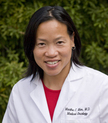
Medical Oncologist
Accepting patients