
EverydayHealthLogo
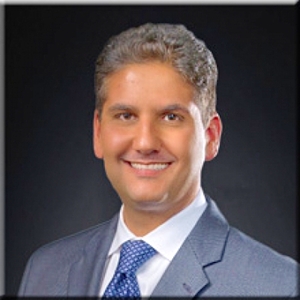
Dr. Maziar Bidar, MD

Dr. Maziar Bidar, MD

Fresno, CA

20 Years of Experience

Accepting patients

Affiliated with a Castle Connolly Top Hospital

    Who is Dr. Bidar, Ophthalmologist in Fresno, CA?

    Dr. Maziar Bidar, MD is an Ophthalmologist, who primarily practices in Fresno, CA with 2 additional practice locations. He has been practicing for over 20 years and is board certified. Dr. Bidar graduated from Mechanical Engineering and completed his residency at University of Colorado Program A. Dr. Bidar is fluent in English, Persian, and Spanish, and is currently seeing new patients. Dr. Bidar’s practice accepts Cigna, Medicare, UnitedHealthcare and other major insurance plans. To book an appointment or to confirm insurance options, please call Dr. Bidar’s office.

    Where did Dr. Bidar go to medical school and complete their residency?

    • Residency: University of Colorado Program A

    • Medical School: Mechanical Engineering

    Is Dr. Bidar board certified as an Ophthalmologist?

    Yes, Dr. Maziar Bidar, MD is board certified by the American Board of Ophthalmology

    What languages does Dr. Bidar speak?

    Dr. Bidar and their clinical team can communicate with patients in the following languages:

    • English

    • Persian

    • Spanish

    What conditions does Dr. Bidar treat?

    As an Ophthalmologist, Dr. Bidar diagnoses, treats, and manages a wide range of conditions. This condition information is derived from anonymized insurance claims and highlights the medical conditions most commonly treated by Dr. Bidar. It provides insight into the doctor’s areas of experience and expertise based on real-world patient encounters from the past two years, updated quarterly.

    Also known as:

    • Droopy Eyelid
    • Baggy Eyelids
    • Chalazion
    • Blepharospasm
    • Chalazion on Right Upper Eyelid
    • Chalazion on Right Lower Eyelid
    • Eyelid Disorder
    • Benign essential blepharospasm
    • Ptosis
    • Eyelid Droop
    • Falling Eyelid
    • Muscle-Related Eyelid Droop
    • Mechanical Eyelid Droop
    • Droopy eyelids
    • Excess eyelid skin
    • Dermatochalasis
    • Meibomian cyst
    • Eyelid cyst
    • Stye-like bump
    • Eyelid Spasms
    • Benign Essential Blepharospasm
    • Involuntary Eye Twitching
    • Right Upper Eyelid Cyst
    • Meibomian Cyst on Upper Lid
    • Blocked Gland Right Upper Eyelid
    • Eyelid Drooping
    • Upper Eyelid Sagging
    • Fallen Eyelid
    • Right Lower Eyelid Cyst
    • Meibomian Cyst on Lower Lid
    • Blocked Gland Right Lower Eyelid

    ICD-10 Codes:

    • H02423: Myogenic ptosis of bilateral eyelids
    • H02413: Mechanical ptosis of bilateral eyelids
    • H02831: Dermatochalasis of right upper eyelid
    • H0014: Chalazion left upper eyelid
    • G245: Blepharospasm
    • H0011: Chalazion right upper eyelid
    • H02421: Myogenic ptosis of right eyelid
    • H0015: Chalazion left lower eyelid
    • H02403: Unspecified ptosis of bilateral eyelids
    • H02422: Myogenic ptosis of left eyelid
    • H0012: Chalazion right lower eyelid

    Also known as:

    • Tear Duct Blockage
    • Narrowing of eyelid tear opening
    • Tears
    • Blocked tear duct
    • Nasolacrimal duct obstruction
    • Tear drainage blockage
    • Punctal stenosis
    • Blocked tear punctum
    • Narrow tear duct opening

    ICD-10 Codes:

    • H04223: Epiphora due to insufficient drainage, bilateral
    • H04563: Stenosis of bilateral lacrimal punctum

    Also known as:

    • Type 2 Diabetes
    • Diabetes Type 2
    • Type 2 diabetes
    • Diabetes Mellitus Type 2
    • Adult-Onset Diabetes
    • Non-Insulin Dependent Diabetes

    ICD-10 Codes:

    • E119: Type 2 diabetes mellitus without complications

    Also known as:

    • Graves' Disease with Thyroid Storm
    • Hyperthyroidism
    • Graves' disease
    • Thyrotoxic Crisis in Graves' Disease', 'Severe Hyperthyroidism with Goiter', 'Graves' Disease Complication

    ICD-10 Codes:

    • E0501: Thyrotoxicosis with diffuse goiter with thyrotoxic crisis or storm

    Also known as:

    • Benign Tumor on Right Lower Eyelid Skin
    • Benign Tumor
    • Skin Condition
    • Non-cancerous growth on right lower eyelid
    • Right lower eyelid skin lesion
    • Benign right lower eyelid mass

    ICD-10 Codes:

    • D23112: Other benign neoplasm of skin of right lower eyelid, including canthus

    Also known as:

    • Left Hemifacial Spasm
    • Facial Injuries and Disorder
    • Left Facial Twitch
    • Left Facial Muscle Spasm
    • Left Side Facial Tic

    ICD-10 Codes:

    • G5132: Clonic hemifacial spasm, left

    Also known as:

    • Baggy Eyelids
    • Eyelid Disorder
    • Dermatochalasis
    • Droopy Eyelid Skin
    • Excess Eyelid Skin

    ICD-10 Codes:

    • H02834: Dermatochalasis of left upper eyelid

    Also known as:

    • Dry Eye Syndrome
    • Corneal Disorder
    • Dry Eye Disease
    • Chronic Dry Eye
    • Keratoconjunctivitis Sicca

    ICD-10 Codes:

    • H16223: Keratoconjunctivitis sicca, not specified as Sjogren's, bilateral

    Also known as:

    • Benign Skin Growth
    • Benign Tumor
    • Skin Condition
    • Non-cancerous skin lesion
    • Skin tumor
    • Skin lump

    ICD-10 Codes:

    • D23121: Other benign neoplasm of skin of left upper eyelid, including canthus

    What procedures does Dr. Bidar perform?

    As an Ophthalmologist, Dr. Bidar performs a variety of medical procedures. This procedure information is derived from anonymized insurance claims and highlights the medical procedures most commonly performed by Dr. Bidar. It provides insight into the doctor’s areas of experience and expertise based on real-world patient encounters from the past two years, updated quarterly.

    Also known as:

    • Droopy Eyelid Repair (Ptosis Surgery)
    • Upper Eyelid Lift (Blepharoplasty)
    • Eyelid Lesion Removal
    • Eyelid Corner Reconstruction (Canthoplasty)
    • Chalazion Removal
    • Eyelid Repair (Extensive)
    • Eyelid Retraction Correction
    • Entropion Repair with Suture
    • Droopy Eyelid Repair
    • Lower Eyelid Lift with Fat Removal
    • Ptosis Repair (Fasanella-Servat Type)
    • Temporary Eyelid Closure
    • Extensive Ectropion Repair
    • Eyelid Closure Surgery with Tarsal Plate Transposition
    • Eyelid Turning In Repair
    • Plastic and Cosmetic Surgery
    • Blepharoptosis Repair
    • Levator Resection
    • Eyelid Lift Surgery
    • Ptosis Correction
    • Droopy Eyelid Surgery
    • Upper Eyelid Reduction
    • Cosmetic Eyelid Surgery
    • Eyelid growth removal
    • Eyelid bump excision
    • Eyelid skin lesion surgery
    • Canthoplasty
    • Eyelid corner repair
    • Eye shape surgery
    • Reconstructive eyelid surgery
    • Eyelid Cyst Excision
    • Stye Removal Surgery
    • Meibomian Cyst Removal
    • Full Thickness Eyelid Repair
    • Eyelid Reconstruction
    • Eyelid Margin Excision and Repair
    • Eyelid retraction repair
    • Lower eyelid retraction surgery
    • Fix pulled back eyelid
    • Suture Entropion Correction
    • Inward-Turning Eyelid Surgery
    • Ptosis Repair
    • Blepharoptosis Correction
    • Lower Blepharoplasty
    • Eye Bag Removal
    • Transconjunctival Blepharoplasty
    • Levator Resection for Ptosis
    • Eyelid suturing
    • Frost suture procedure
    • Temporary tarsorrhaphy
    • Eyelid Ectropion Surgery
    • Tarsal Strip Operation
    • Lower Eyelid Repair
    • Outward Turning Eyelid Repair
    • Tarsorrhaphy
    • Canthorrhaphy
    • Eyelid Adhesion Surgery
    • Entropion Repair
    • Inward Eyelid Surgery
    • Tarsal Strip Repair

    CPT Codes:

    • 67904: Repair of blepharoptosis; (tarso) levator resection or advancement, external approach
    • 15823: Blepharoplasty, upper eyelid; with excessive skin weighting down lid
    • 67840: Excision of lesion of eyelid (except chalazion) without closure or with simple direct closure
    • 67950: Canthoplasty (reconstruction of canthus)
    • 67800: Excision of chalazion; single
    • 67966: Excision and repair of eyelid, involving lid margin, tarsus, conjunctiva, canthus, or full thickness, may include preparation for skin graft or pedicle flap with adjacent tissue transfer or rearrangement; over one-fourth of lid margin
    • 67911: Correction of lid retraction
    • 67921: Repair of entropion; suture
    • 67903: Repair of blepharoptosis; (tarso) levator resection or advancement, internal approach
    • 15821: Blepharoplasty, Lower Eyelid; With Extensive Herniated Fat Pad
    • 67908: Repair of blepharoptosis; conjunctivo-tarso-Muller's muscle-levator resection (eg, Fasanella-Servat type)
    • 67875: Temporary closure of eyelids by suture (eg, Frost suture)
    • 67917: Repair of ectropion; extensive (eg, tarsal strip operations)
    • 67882: Construction of intermarginal adhesions, median tarsorrhaphy, or canthorrhaphy; with transposition of tarsal plate
    • 67924: Repair of entropion; extensive (eg, tarsal strip or capsulopalpebral fascia repairs operation)

    Also known as:

    • Drooping Brow Repair
    • Brow Lift
    • Forehead Lift
    • Ptosis Repair (Brow)

    CPT Codes:

    • 67900: Repair of brow ptosis (supraciliary, mid-forehead or coronal approach)

    Also known as:

    • Tear Duct Opening Procedure
    • Conjunctival Lesion Removal
    • Eye Content Removal with Implant
    • Lacrimal Punctum Incision
    • Punctal Dilation
    • Blocked Tear Duct Opening
    • Tear Duct Snip
    • Eye Growth Excision
    • Conjunctiva Lesion Surgery
    • Pterygium Removal
    • Ocular evisceration with implant
    • Eye removal (partial) with prosthetic
    • Evisceration of eye

    CPT Codes:

    • 68440: Snip incision of lacrimal punctum
    • 68110: Excision of lesion, conjunctiva; up to 1 cm
    • 65093: Evisceration of ocular contents; with implant

    Also known as:

    • Probing of Tear Duct
    • Tear Duct Probing with Stent Placement
    • Nasolacrimal duct probing
    • Tear duct irrigation
    • Blocked tear duct treatment
    • Lacrimal duct probing
    • Nasolacrimal Duct Probing with Stent
    • Tear Duct Stent Insertion
    • Blocked Tear Duct Repair
    • Dacryocystorhinostomy (DCR) Stent

    CPT Codes:

    • 68810: Probing of nasolacrimal duct, with or without irrigation;
    • 68815: Probing of nasolacrimal duct, with or without irrigation; with insertion of tube or stent

    Also known as:

    • Eyelash Correction for Trichiasis
    • Eyelash Removal for Trichiasis
    • Trichiasis Treatment
    • Ingrown Eyelash Removal
    • Electrosurgery for Eyelashes
    • Trichiasis Epilation
    • Forceps Epilation of Eyelashes

    CPT Codes:

    • 67825: Correction of trichiasis; epilation by other than forceps (eg, by electrosurgery, cryotherapy, laser surgery)
    • 67820: Correction of trichiasis; epilation, by forceps only

    Also known as:

    • Eye Socket Exploration with Biopsy
    • Eye Socket Exploration and Biopsy
    • Orbital Exploration
    • Kroenlein Procedure
    • Eye Socket Biopsy
    • Orbitotomy without bone removal
    • Orbital exploration
    • Eye socket biopsy

    CPT Codes:

    • 67450: Orbitotomy with bone flap or window, lateral approach (eg, Kroenlein); for exploration, with or without biopsy
    • 67400: Orbitotomy without bone flap (frontal or transconjunctival approach); for exploration, with or without biopsy

    Also known as:

    • Conjunctiva Repair with Graft
    • Conjunctival Grafting
    • Eye Surface Reconstruction
    • Extensive Conjunctivoplasty

    CPT Codes:

    • 68320: Conjunctivoplasty; with conjunctival graft or extensive rearrangement

    Also known as:

    • Eyelid Ectropion Repair
    • Ectropion Surgery
    • Lower Eyelid Repair
    • Outward Turning Eyelid Fix

    CPT Codes:

    • 67914: Repair of ectropion; suture

    Also known as:

    • Scleral Reinforcement with Graft
    • Scleral Grafting
    • Eye Wall Strengthening
    • Posterior Scleral Reinforcement

    CPT Codes:

    • 67255: Scleral reinforcement (separate procedure); with graft

    Also known as:

    • Lower Eyelid Reconstruction
    • Eyelid Flap Surgery
    • Tarsoconjunctival Flap
    • Full Thickness Eyelid Repair

    CPT Codes:

    • 67973: Reconstruction of eyelid, full thickness by transfer of tarsoconjunctival flap from opposing eyelid; total eyelid, lower, 1 stage or first stage

    Also known as:

    • Facial Muscle Injection for Spasms (One Side)
    • Botox for facial spasms
    • Facial nerve chemodenervation
    • Blepharospasm treatment
    • Hemifacial spasm injection

    CPT Codes:

    • 64612: Chemodenervation of muscle(s); muscle(s) innervated by facial nerve, unilateral (eg, for blepharospasm, hemifacial spasm)

    Also known as:

    • Injection for Skin Lesions (Up to 7)
    • Intralesional Injection
    • Lesion Injection Therapy
    • Steroid Injection for Skin Bumps

    CPT Codes:

    • 11900: Injection, intralesional; up to and including 7 lesions

    Also known as:

    • Midface Flap Reconstruction
    • Zygomaticofacial Flap
    • Cheek Flap Surgery
    • Midface Tissue Transfer

    CPT Codes:

    • 15730: Midface flap (ie, zygomaticofacial flap) with preservation of vascular pedicle(s)

    Also known as:

    • Facial Tissue Transfer (Eyelids, Nose, Ears, Lips)
    • Head and Neck Muscle Flap Surgery
    • Local Flap Surgery
    • Adjacent Tissue Rearrangement
    • Facial Reconstruction
    • Myocutaneous Flap
    • Fasciocutaneous Flap
    • Head and Neck Reconstruction
    • Vascular Pedicle Flap

    CPT Codes:

    • 14060: Adjacent tissue transfer or rearrangement, eyelids, nose, ears and/or lips; defect 10 sq cm or less
    • 15733: Muscle, myocutaneous, or fasciocutaneous flap; head and neck with named vascular pedicle (ie, buccinators, genioglossus, temporalis, masseter, sternocleidomastoid, levator scapulae)

    Also known as:

    • Full Thickness Skin Graft (Face)
    • Facial Skin Graft
    • Free Skin Graft (Nose/Ears/Eyelids/Lips)
    • Full Thickness Graft for Face
    • Cosmetic Skin Graft (Face)

    CPT Codes:

    • 15260: Full thickness graft, free, including direct closure of donor site, nose, ears, eyelids, and/or lips; 20 sq cm or less

    Also known as:

    • Small Benign Lesion Removal (Face/Ears/Eyelids/Nose/Lips)
    • Facial Lesion Excision
    • Ear Lesion Removal
    • Eyelid Lesion Surgery
    • Lip Lesion Removal

    CPT Codes:

    • 11440: Excision, other benign lesion including margins, except skin tag (unless listed elsewhere), face, ears, eyelids, nose, lips, mucous membrane; excised diameter 0.5 cm or less

    Also known as:

    • Tear Duct Surgery (Endoscopic)
    • Endoscopy
    • Dacryocystorhinostomy (DCR)
    • Endoscopic Tear Duct Opening
    • Nasal Endoscopy for Tear Duct

    CPT Codes:

    • 31239: Nasal/sinus endoscopy, surgical; with dacryocystorhinostomy

    Does Dr. Bidar accept my insurance?

    Dr. Bidar accepts most major insurance plans. Important: Please call our office at before your appointment to verify that your specific plan and network are accepted.

    What insurance plans does Dr. Bidar accept in Fresno, CA?

    Dr. Bidar in Fresno, CA accepts plans from many carriers. While this list is updated regularly, it is not a guarantee of coverage.

    Top Insurances

    • All Other Third Party

    • Blue Shield of California

    • Central California Alliance for Health

    • Coastal

    • Community Hospital Corporation

    • Crown Cork and Seal Company

    • CVS Health (formerly Aetna)

    • Elevance Health Inc. (formerly Anthem)

    • Medicare

    • UnitedHealthcare

    View All Insurances

    Where is Dr. Bidar's office located?

    Dr. Maziar Bidar's Primary Practice

    1360 E Herndon Ave Ste 301

    Fresno, CA 93720

    Get Directions

    Dr. Maziar Bidar's Practice 2

    1122 S St Ste 101

    Fresno, CA 93721

    Get Directions

    Dr. Maziar Bidar's Practice 3

    966 Cass St Ste 100

    Monterey, CA 93940

    Get Directions

    What is Dr. Bidar's NPI number?An National Provider Identifier (NPI) is a unique ID number that identifies doctors and healthcare providers nationwide.

    Dr. Bidar's National Provider Identifier (NPI) number is 1689693657.

    What common questions do patients ask about Dr. Bidar?

    Here are answers to patients Frequently Asked Questions (FAQ’s) about Dr. Bidar

    What is Dr. Maziar Bidar's specialty?

    Dr. Bidar is a Ophthalmologist near Fresno, CA. An ophthalmologist possesses the knowledge and professional skills required to deliver comprehensive eye and vision care. These medical doctors are trained to diagnose, monitor, and treat all ocular and visual disorders, whether through medical or surgical interventions. Their expertise encompasses a wide range of issues affecting the eye and its structures, including the eyelids, orbit, and visual pathways. Additionally, ophthalmologists prescribe vision services, such as glasses and contact lenses, to help patients achieve optimal visual health. Contact Dr. Bidar to book an appointment today.

    Is this Dr. Maziar Bidar affiliated with a ranked Castle Connolly Top Hospital?

    Yes, Dr. Bidar is affiliated with Community Hospital of Monterey Peninsula which is a Castle Connolly Top Hospital. Castle Connolly Top Hospitals are healthcare institutions recognized for their excellence in specific medical procedures and overall patient care. They are identified through a rigorous peer nomination process, evaluating factors like patient outcomes, quality of care, and expertise. The list recognizes hospitals that excel in 20 or more specific medical procedures, representing the top 25% nationwide. Castle Connolly Top Hospitals

    Where can I learn more about Ophthalmologist?

    Explore Ophthalmologist with insights from trusted medical experts on EverydayHealth.com, where you'll find the most relevant content and helpful condition guides for up-to date information about symptoms, causes, diagnosis, treatment and more. See all our health guides to find trusted information on medical conditions from our experts at Everyday Health.

    Is Maziar Bidar accepting new patients in Fresno, CA?

    Yes, Dr. Maziar Bidar is accepting new patients at this time.

    Does Dr. Maziar Bidar offer online booking?

    Please contact Dr. Bidar's office for information about online booking, telehealth, or to schedule an appointment.

    How can I make an appointment with Maziar Bidar?

    Please contact Dr. Bidar's office for information regarding telehealth appointment availability or for scheduling assistance.

    Which board certifications does Dr. Maziar Bidar have?

    Dr. Maziar Bidar is certified by the American Board of Ophthalmology.

    Other Ophthalmologist Near Fresno, CA

    GW

    Ophthalmologist

    acceptingPatients-iconAccepting patients
    Fresno, CA
    LT

    Ophthalmologist

    acceptingPatients-iconAccepting patients
    Fresno, CA
    JC

    Ophthalmologist

    acceptingPatients-iconAccepting patients
    Fresno, CA
    See All Specialists

    Doctors by Category

    Specialists