
SK
Accepting patients
Affiliated with a Castle Connolly Top Hospital
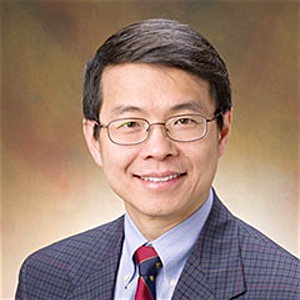
Who is Dr. Kovach, Plastic Surgeon in Philadelphia, PA?
Dr. Stephen Kovach, MD is a Plastic Surgeon, who primarily practices in Philadelphia, PA with 2 additional practice locations. Dr. Kovach completed his residency at Georgetown Univ Hosp, General Surgery. Dr. Kovach is fluent in English, Hindi, and Telugu, and is currently seeing new patients. Dr. Kovach’s practice accepts Medicare, Aetna, Cigna, UnitedHealthcare and other major insurance plans. To book an appointment or to confirm insurance options, please call Dr. Kovach’s office at (215) 622-3743.
What are Areas of Expertise for Dr. Kovach?
Dr. Stephen Kovach, MD is a highly-rated, board-certified Plastic Surgeon known for expertly diagnosing, treating, and managing a wide array of related conditions and procedures. Utilizing the latest medical advancements and evidence-based practices, Dr. Kovach empowers patients to confidently navigate their health journey, specializing in Cancer Reconstruction, Cosmetic Surgery, Trauma-Reconstructive Plastic Surgery, and comprehensive wellness support. Serving the Philadelphia, PA community, Dr. Kovach is dedicated to enhancing lives through expert, patient-centered care.
Where did Dr. Kovach go to medical school and complete their residency?
Residency: Georgetown Univ Hosp, General Surgery
What languages does Dr. Kovach speak?
Dr. Kovach and their clinical team can communicate with patients in the following languages:
English
Hindi
Telugu
What conditions does a Plastic Surgeon like Dr. Kovach typically treat?
As a Plastic Surgeon, Dr. Kovach diagnoses, treats, and manages a wide range of conditions. This condition information is derived from anonymized insurance claims and highlights the medical conditions most commonly treated by Dr. Kovach. It provides insight into the doctor’s areas of experience and expertise based on real-world patient encounters from the past two years, updated quarterly. Learn more about our claims-based healthcare methodology.
Also known as:
- Incisional Hernia
- Obstructed Surgical Incision Hernia
- Hernia
- Intestinal Obstruction
- Post-surgical Hernia
- Surgical Incision Hernia
- Scar Hernia
- Incisional Hernia with Obstruction
- Blocked Incision Hernia
- Strangulated Incisional Hernia
ICD-10 Codes:
- K432: Incisional hernia without obstruction or gangrene
- K430: Incisional hernia with obstruction, without gangrene
Also known as:
- External Surgical Wound Opening
- Wounds and Injuries
- External wound dehiscence
- Surgical incision separation
- Outer wound rupture
ICD-10 Codes:
- T8131XA: Disruption of external operation (surgical) wound, not elsewhere classified, initial encounter
Also known as:
- Digestive System Surgery Aftercare
- After Surgery
- Post-gastrointestinal surgery care
- Stomach surgery aftercare
- Bowel surgery recovery
ICD-10 Codes:
- Z48815: Encounter for surgical aftercare following surgery on the digestive system
What procedures does a Plastic Surgeon like Dr. Kovach typically perform?
As a Plastic Surgeon, Dr. Kovach performs a variety of medical procedures. This procedure information is derived from anonymized insurance claims and highlights the medical procedures most commonly performed by Dr. Kovach. It provides insight into the doctor’s areas of experience and expertise based on real-world patient encounters from the past two years, updated quarterly. Learn more about our claims-based healthcare methodology.
Also known as:
- Skin Flap Surgery (Medium)
- Adjacent Tissue Transfer (Additional Area)
- Tissue Rearrangement Surgery
- Local Flap Surgery
- Skin Graft (Adjacent Tissue)
- Skin Flap Surgery
- Tissue Rearrangement
- Local Flap Reconstruction
CPT Codes:
- 14301: Adjacent tissue transfer or rearrangement, any area; defect 30.1 sq cm to 60.0 sq cm
- 14302: Adjacent tissue transfer or rearrangement, any area; each additional 30.0 sq cm, or part thereof (List separately in addition to code for primary procedure)
Also known as:
- Wound or Burn Site Preparation for Graft
- Surgery
- Surgical Wound Debridement
- Burn Eschar Excision
- Scar Contracture Release
- Recipient Site Preparation
CPT Codes:
- 15002: Surgical preparation or creation of recipient site by excision of open wounds, burn eschar, or scar (including subcutaneous tissues), or incisional release of scar contracture, trunk, arms, legs; first 100 sq cm or 1% of body area of infants and children
Also known as:
- Surgical Preparation for Skin Graft (Additional Area)
- Surgery
- Wound Bed Preparation
- Burn Eschar Excision
- Scar Contracture Release
- Recipient Site Creation
CPT Codes:
- 15003: Surgical preparation or creation of recipient site by excision of open wounds, burn eschar, or scar (including subcutaneous tissues), or incisional release of scar contracture, trunk, arms, legs; each additional 100 sq cm, or part thereof, or each additional 1% of body area of infants and children (List separately in addition to code for primary procedure)
Also known as:
- Muscle or Skin Flap Surgery (Trunk)
- Myocutaneous Flap (Body)
- Fasciocutaneous Flap (Trunk)
- Tissue Flap Reconstruction (Torso)
CPT Codes:
- 15734: Muscle, myocutaneous, or fasciocutaneous flap; trunk
Also known as:
- Split-Thickness Skin Graft (Trunk, Arms, Legs)
- Autologous Skin Graft
- Partial Thickness Skin Graft
- Skin Transplant
CPT Codes:
- 15100: Split-Thickness Autograft, Trunk, Arms, Legs; First 100 Sq Cm Or Less, Or 1% Of Body Area Of Infants And Children (Except 15050)
Also known as:
- Surgical Preparation for Skin Graft (Infants/Children)
- Surgery
- Wound Debridement for Graft
- Burn Scar Release Surgery
- Recipient Site Preparation for Skin Repair
CPT Codes:
- 15004: Surgical preparation or creation of recipient site by excision of open wounds, burn eschar, or scar (including subcutaneous tissues), or incisional release of scar contracture, face, scalp, eyelids, mouth, neck, ears, orbits, genitalia, hands, feet and/or multiple digits; first 100 sq cm or 1% of body area of infants and children
Also known as:
- Complex Abdominal Hernia Repair (Recurrent, Large, or Trapped)
- Recurrent Abdominal Hernia Repair
- Incarcerated Hernia Repair
- Strangulated Hernia Repair
- Large Ventral Hernia Repair with Mesh
CPT Codes:
- 49618: Repair of anterior abdominal hernia(s) (ie, epigastric, incisional, ventral, umbilical, spigelian), any approach (ie, open, laparoscopic, robotic), recurrent, including implantation of mesh or other prosthesis when performed, total length of defect(s); greater than 10 cm, incarcerated or strangulated
Does Dr. Kovach accept my insurance?
Dr. Kovach accepts most major insurance plans. Important: Please call our office at (215) 622-3743 before your appointment to verify that your specific plan and network are accepted.
What insurance plans does Dr. Kovach accept in Philadelphia, PA?
Dr. Kovach in Philadelphia, PA accepts plans from many carriers. While this list is updated regularly, it is not a guarantee of coverage.
Top Insurances
All Other Third Party
Cigna Group
Federal government of the United States
Horizon BlueCross BlueShield
Independence Health Group
Jefferson Health
Medicare
Risant Health
UnitedHealth Group
Unknown
View All Insurances
Where is Dr. Kovach's office located?
What is Dr. Kovach's NPI number?An National Provider Identifier (NPI) is a unique ID number that identifies doctors and healthcare providers nationwide.
Dr. Kovach's National Provider Identifier (NPI) number is 1255463683.
What common questions do patients ask about Dr. Kovach?
Here are answers to patients Frequently Asked Questions (FAQ’s) about Dr. Kovach
What is Dr. Stephen Kovach's specialty?
Dr. Kovach is a Plastic Surgeon near Philadelphia, PA.
What does a Plastic Surgeon do?
A plastic surgeon specializes in repairing, reconstructing, or replacing physical defects involving the skin, musculoskeletal system, craniomaxillofacial structures, hands, extremities, breasts, trunk, and external genitalia. Cosmetic surgery is a key aspect of this specialty, where surgeons apply aesthetic principles to enhance appearance and optimize reconstructive outcomes, addressing both normal structures and those requiring reconstruction.
Is this Dr. Stephen Kovach affiliated with a ranked Castle Connolly Top Hospital?
Yes, Dr. Kovach is affiliated with Penn Medicine Hospital Of The University Of Pennsylvania, Penn Medicine Pennsylvania Hospital, Penn Medicine Penn Presbyterian Medical Center which are a Castle Connolly Top Hospitals. Castle Connolly Top Hospitals are healthcare institutions recognized for their excellence in specific medical procedures and overall patient care. They are identified through a rigorous peer nomination process, evaluating factors like patient outcomes, quality of care, and expertise. The list recognizes hospitals that excel in 20 or more specific medical procedures, representing the top 25% nationwide. Castle Connolly Top Hospitals
When to see a Plastic Surgeon?: Guides for symptoms, conditions, and treatments
Understand your symptoms and know when it’s time to see a Plastic Surgeon. Explore insights from trusted medical experts on EverydayHealth.com, where you'll find the most relevant content and helpful condition guides for up-to date information about symptoms, causes, diagnosis, treatment and more. See all our health guides to find trusted information on medical conditions from our experts at Everyday Health.
Is Stephen Kovach accepting new patients in Philadelphia, PA?
Yes, Dr. Stephen Kovach is accepting new patients at this time.
Does Dr. Stephen Kovach offer online booking?
Please contact Dr. Kovach's office at (215) 622-3743 for information about online booking, telehealth, or to schedule an appointment.
How can I make an appointment with Stephen Kovach?
Please contact Dr. Kovach's office at (215) 622-3743 for information regarding telehealth appointment availability or for scheduling assistance.
Other Plastic Surgeon Near Philadelphia, PA
Plastic Surgeon
 Accepting patients
Dr. Benjamin Chang, MD is a Plastic Surgeon, who primarily practices in Philadelphia, PA with 2 additional practice locations. He is board certified.
Philadelphia, PA
CC
Plastic Surgeon
Accepting patientsDr. Connor Crowley, MD is a Plastic Surgeon, who primarily practices in Philadelphia, PA with 1 additional practice location.
Philadelphia, PA
PP
Plastic Surgeon
Accepting patientsDr. Pedro Piccinini, MD is a Plastic Surgeon, who primarily practices in Bronx, NY with 1 additional practice location.
Bronx, NY