
Accepting patients
Affiliated with a Castle Connolly Top Hospital
Who is Dr. Shurman, Dermatologist in Sparks, MD?
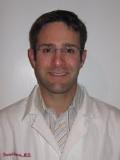
Radiation skin damage is a significant concern for many patients, particularly those who have undergone cancer treatment. Dr. Daniel L. Shurman MD, a Dermatologist in Sparks, MD, has built a reputation for addressing this and other complex skin conditions. Recognized as a Castle Connolly Top Doctor, Dr. Shurman brings a wealth of expertise to his practice. With a clinical focus on managing radiation skin damage, skin conditions, and sun damage skin conditions, Dr. Shurman provides comprehensive care to his patients. He frequently performs procedures such as skin cancer surgery, skin cancer treatment, and skin lesion removal, ensuring that patients receive the most effective treatment for their specific needs. His expertise in Mohs surgery and reconstructive surgery also enables him to provide precise and cosmetically sensitive solutions for skin cancer patients. Dr. Shurman completed his medical degree at Temple University School Of Medicine and went on to complete residencies at Thomas Jefferson University Hospital and PCOM/Christiana Care Health System Program. He is board-certified by the American Board of Dermatology, demonstrating his commitment to staying at the forefront of dermatological care. New patients can schedule a visit with Dr. Shurman, who is accepting new patients and speaks English, Italian, and Spanish. His practice is conveniently located at 10 Fila Way Ste 205 in Sparks, MD, with additional locations in Reading and Bensalem, PA, making him accessible to patients across the region.
What are Areas of Expertise for Dr. Shurman?
Dr. Daniel Shurman, MD is a highly-rated, board-certified Dermatologist known for expertly diagnosing, treating, and managing a wide array of related conditions and procedures. Utilizing the latest medical advancements and evidence-based practices, Dr. Shurman empowers patients to confidently navigate their health journey, specializing in Mohs Surgery, Reconstructive Surgery-Skin, Skin Cancer, and comprehensive wellness support. Serving the Sparks, MD community, Dr. Shurman is dedicated to enhancing lives through expert, patient-centered care.
Where did Dr. Shurman go to medical school and complete their residency?
Residency: Thomas Jefferson University Hospital | PCOM/Christiana Care Health System Program
Medical School: Temple University School Of Medicine
Is Dr. Shurman board certified as a Dermatologist?
Yes, Dr. Daniel Shurman, MD is board certified by the American Board of Dermatology
What languages does Dr. Shurman speak?
Dr. Shurman and their clinical team can communicate with patients in the following languages:
English
Italian
Spanish
What conditions does a Dermatologist like Dr. Shurman typically treat?
As a Dermatologist, Dr. Shurman diagnoses, treats, and manages a wide range of conditions. This condition information is derived from anonymized insurance claims and highlights the medical conditions most commonly treated by Dr. Shurman. It provides insight into the doctor’s areas of experience and expertise based on real-world patient encounters from the past two years, updated quarterly. Learn more about our claims-based healthcare methodology.
Also known as:
- Chronic Radiation Skin Changes
- Skin Condition
- Long-term radiation dermatitis
- Skin damage from radiation
- Non-ionizing radiation skin effects
ICD-10 Codes:
- L578: Other skin changes due to chronic exposure to nonionizing radiation
Also known as:
- Skin Tumor of Uncertain Behavior
- Skin Condition
- Skin Neoplasm
- Skin Growth
- Uncertain Skin Lesion
ICD-10 Codes:
- D485: Neoplasm of uncertain behavior of skin
Also known as:
- Actinic Keratosis
- Skin Condition
- Sun Exposure
- Skin Cancer Treatment (PDQ®)
- Solar keratosis
- Precancerous skin lesion
- Rough sun spots
ICD-10 Codes:
- L570: Actinic keratosis
Also known as:
- Acne Vulgaris
- Acne
- Common acne
- Pimples
- Breakouts
ICD-10 Codes:
- L700: Acne vulgaris
Also known as:
- Other types of warts
- Warts
- Different kinds of warts
- Various warts
- Uncommon warts
ICD-10 Codes:
- B078: Other viral warts
What procedures does a Dermatologist like Dr. Shurman typically perform?
As a Dermatologist, Dr. Shurman performs a variety of medical procedures. This procedure information is derived from anonymized insurance claims and highlights the medical procedures most commonly performed by Dr. Shurman. It provides insight into the doctor’s areas of experience and expertise based on real-world patient encounters from the past two years, updated quarterly. Learn more about our claims-based healthcare methodology.
Also known as:
- Mohs Micrographic Surgery
- Mohs Micrographic Surgery (Trunk/Arms/Legs, First Stage)
- Mohs Surgery (Additional Stage)
- Mohs Surgery
- Micrographic Skin Cancer Surgery
- Mohs Excision
- Precision Skin Cancer Removal
- Mohs surgery body
- Skin cancer removal trunk
- Micrographic surgery arms
- Precise skin cancer surgery legs
- Mohs micrographic surgery
- Skin cancer removal with mapping
- Staged skin cancer surgery
CPT Codes:
- 17311: Mohs micrographic technique, including removal of all gross tumor, surgical excision of tissue specimens, mapping, color coding of specimens, microscopic examination of specimens by the surgeon, and histopathologic preparation including routine stain(s) (eg, hematoxylin and eosin, toluidine blue), head, neck, hands, feet, genitalia, or any location with surgery directly involving muscle, cartilage, bone, tendon, major nerves, or vessels; first stage, up to 5 tissue blocks
- 17313: Mohs micrographic technique, including removal of all gross tumor, surgical excision of tissue specimens, mapping, color coding of specimens, microscopic examination of specimens by the surgeon, and histopathologic preparation including routine stain(s) (eg, hematoxylin and eosin, toluidine blue), of the trunk, arms, or legs; first stage, up to 5 tissue blocks
- 17314: Mohs micrographic technique, including removal of all gross tumor, surgical excision of tissue specimens, mapping, color coding of specimens, microscopic examination of specimens by the surgeon, and histopathologic preparation including routine stain(s) (eg, hematoxylin and eosin, toluidine blue), of the trunk, arms, or legs; each additional stage after the first stage, up to 5 tissue blocks (List separately in addition to code for primary procedure)
Also known as:
- Mohs Surgery
- Mohs Micrographic Surgery
- Skin Cancer Removal
- Precise Skin Cancer Surgery
CPT Codes:
- 17312: Mohs micrographic technique, including removal of all gross tumor, surgical excision of tissue specimens, mapping, color coding of specimens, microscopic examination of specimens by the surgeon, and histopathologic preparation including routine stain(s) (eg, hematoxylin and eosin, toluidine blue), head, neck, hands, feet, genitalia, or any location with surgery directly involving muscle, cartilage, bone, tendon, major nerves, or vessels; each additional stage after the first stage, up to 5 tissue blocks (List separately in addition to code for primary procedure)
Also known as:
- Removal of Precancerous Skin Lesions
- Removal of Benign Skin Lesions
- Skin Conditions
- Actinic Keratosis Treatment
- Premalignant Lesion Destruction
- Skin Cancer Prevention Treatment
- Cryosurgery for Skin Lesions
- Benign Skin Growth Destruction
- Skin Lesion Excision
- Electrosurgery for Skin Lesions
CPT Codes:
- 17000: Destruction (eg, laser surgery, electrosurgery, cryosurgery, chemosurgery, surgical curettement), premalignant lesions (eg, actinic keratoses); first lesion
- 17110: Destruction (eg, laser surgery, electrosurgery, cryosurgery, chemosurgery, surgical curettement), of benign lesions other than skin tags or cutaneous vascular proliferative lesions; up to 14 lesions
- 17003: Destruction (eg, laser surgery, electrosurgery, cryosurgery, chemosurgery, surgical curettement), premalignant lesions (eg, actinic keratoses); second through 14 lesions, each (List separately in addition to code for first lesion)
Also known as:
- Skin Biopsy
- Shave Biopsy
- Tangential Biopsy
- Skin Lesion Biopsy
CPT Codes:
- 11102: Tangential biopsy of skin (eg, shave, scoop, saucerize, curette); single lesion
Does Dr. Shurman accept my insurance?
Dr. Shurman accepts most major insurance plans. Important: Please call our office at before your appointment to verify that your specific plan and network are accepted.
What insurance plans does Dr. Shurman accept in Sparks, MD?
Dr. Shurman in Sparks, MD accepts plans from many carriers. While this list is updated regularly, it is not a guarantee of coverage.
Top Insurances
Cigna Group
CVS Health (formerly Aetna)
Highmark Health
Humana
Independence Health Group
Jefferson Health
Medicare
UnitedHealth Group
Unknown
UPMC Health System
View All Insurances
Where is Dr. Shurman's office located?
What is Dr. Shurman's NPI number?An National Provider Identifier (NPI) is a unique ID number that identifies doctors and healthcare providers nationwide.
Dr. Shurman's National Provider Identifier (NPI) number is 1144437476.
What common questions do patients ask about Dr. Shurman?
Here are answers to patients Frequently Asked Questions (FAQ’s) about Dr. Shurman
What is Dr. Daniel Shurman's specialty?
Dr. Shurman is a Dermatologist near Sparks, MD.
What does a Dermatologist do?
Dermatologists are medical professionals trained to diagnose and treat a wide range of skin conditions in both children and adults, including skin cancers, melanomas, and other tumors. They also manage disorders of the mouth, external genitalia, hair, and nails, and are skilled in treating conditions like dermatitis, allergic reactions, and skin manifestations of systemic diseases. Dermatologists receive specialized training in dermatopathology and dermatologic surgical techniques, and address cosmetic issues such as hair loss and scarring. Additionally, they use laboratory methods to diagnose immune-related skin disorders, often collaborating with immunohematologists for expert consultation and targeted therapies.
Is this Dr. Daniel Shurman affiliated with a ranked Castle Connolly Top Hospital?
Yes, Dr. Shurman is affiliated with Reading Hospital Tower Health, Penn State Health St. Joseph Medical Center, Jefferson Einstein Montgomery Hospital, Phoenixville Hospital, Paoli Hospital, Lehigh Valley Health Network– Cedar Crest which are a Castle Connolly Top Hospitals. Castle Connolly Top Hospitals are healthcare institutions recognized for their excellence in specific medical procedures and overall patient care. They are identified through a rigorous peer nomination process, evaluating factors like patient outcomes, quality of care, and expertise. The list recognizes hospitals that excel in 20 or more specific medical procedures, representing the top 25% nationwide. Castle Connolly Top Hospitals
When to see a Dermatologist?: Guides for symptoms, conditions, and treatments
Understand your symptoms and know when it’s time to see a Dermatologist. Explore insights from trusted medical experts on EverydayHealth.com, where you'll find the most relevant content and helpful condition guides for up-to date information about symptoms, causes, diagnosis, treatment and more. See all our health guides to find trusted information on medical conditions from our experts at Everyday Health.
Is Daniel Shurman accepting new patients in Sparks, MD?
Yes, Dr. Daniel Shurman is accepting new patients at this time.
Does Dr. Daniel Shurman offer online booking?
Please contact Dr. Shurman's office for information about online booking, telehealth, or to schedule an appointment.
How can I make an appointment with Daniel Shurman?
Please contact Dr. Shurman's office for information regarding telehealth appointment availability or for scheduling assistance.
Which board certifications does Dr. Daniel Shurman have?
Dr. Daniel Shurman is certified by the American Board of Dermatology.
Other Dermatologist Near Sparks, MD
CF
Dermatologist
 Accepting patients
Dr. Collin Fuller, MD is a Dermatologist, who primarily practices in Birdsboro, PA with 2 additional practice locations.
Birdsboro, PA

Dermatologist
Accepting patients Book Online
Dr. Jeanne Sparks is a Dermatologist, who primarily practices in Cockeysville, MD with 2 additional practice locations.
Cockeysville, MD
BOOK APPOINTMENTKV
Dermatologist
Accepting patientsDr. Kathleen Viola, MD is a Dermatologist, who primarily practices in Sparks, MD.
Sparks, MD