

Accepting patients
Affiliated with a Castle Connolly Top Hospital
Who is Dr. Shildkrot, Ophthalmologist in Fishersville, VA?
Dr. Yevgeniy Shildkrot, MD is an Ophthalmologist, who primarily practices in Fishersville, VA with 2 additional practice locations. He is board certified. Dr. Shildkrot graduated from New York University School of Medicine and completed his residency at Wayne State University Affiliated Hospitals. He is a member of the American Academy of Ophthalmology, : Second Year in Practice. Dr. Shildkrot is fluent in English, Russian, and Spanish, and is currently seeing new patients. Dr. Shildkrot’s practice accepts Medicaid, Medicare, Cigna, UnitedHealthcare and other major insurance plans. To book an appointment or to confirm insurance options, please call Dr. Shildkrot’s office at (434) 924-5485.
What are Areas of Expertise for Dr. Shildkrot?
Dr. Yevgeniy Shildkrot, MD is a highly-rated, board-certified Ophthalmologist known for expertly diagnosing, treating, and managing a wide array of related conditions and procedures. Utilizing the latest medical advancements and evidence-based practices, Dr. Shildkrot empowers patients to confidently navigate their health journey, specializing in Diabetic Eye Disease/Retinopathy, Eye Cancer, Macular Degeneration, Retina/Vitreous Surgery, Retinal Disorders, and comprehensive wellness support. Serving the Fishersville, VA community, Dr. Shildkrot is dedicated to enhancing lives through expert, patient-centered care.
Where did Dr. Shildkrot go to medical school and complete their residency?
Residency: Wayne State University Affiliated Hospitals | Kresge Eye Institute
Medical School: New York University School of Medicine
Is Dr. Shildkrot board certified as an Ophthalmologist?
Yes, Dr. Yevgeniy Shildkrot, MD is board certified by the American Board of Ophthalmology
What languages does Dr. Shildkrot speak?
Dr. Shildkrot and their clinical team can communicate with patients in the following languages:
English
Russian
Spanish
What conditions does an Ophthalmologist like Dr. Shildkrot typically treat?
As an Ophthalmologist, Dr. Shildkrot diagnoses, treats, and manages a wide range of conditions. This condition information is derived from anonymized insurance claims and highlights the medical conditions most commonly treated by Dr. Shildkrot. It provides insight into the doctor’s areas of experience and expertise based on real-world patient encounters from the past two years, updated quarterly. Learn more about our claims-based healthcare methodology.
Also known as:
- Wet Macular Degeneration
- Dry Macular Degeneration
- Macular Degeneration
- Wet AMD
- Neovascular Macular Degeneration
- Age-related Macular Degeneration (Wet)
- Exudative AMD
- Dry AMD
- Atrophic Macular Degeneration
- Age-related Macular Degeneration (Dry)
ICD-10 Codes:
- H353221: Exudative age-related macular degeneration, left eye, with active choroidal neovascularization
- H353211: Exudative age-related macular degeneration, right eye, with active choroidal neovascularization
- H353231: Exudative age-related macular degeneration, bilateral, with active choroidal neovascularization
- H353134: Nonexudative age-related macular degeneration, bilateral, advanced atrophic with subfoveal involvement
Also known as:
- Aging of the eye's gel
- Eye Disease
- Vitreous Detachment
- Vitreous syneresis
- Eye gel breakdown
- Vitreous aging
ICD-10 Codes:
- H43813: Vitreous degeneration, bilateral
Also known as:
- Cataract
- Cloudy lens
- Lens clouding
- Eye cloudiness
ICD-10 Codes:
- H2513: Age-related nuclear cataract, bilateral
Also known as:
- Benign Choroid Tumor
- Benign Tumor
- Eye Disease
- Non-cancerous choroid growth
- Benign choroidal neoplasm
ICD-10 Codes:
- D3132: Benign neoplasm of left choroid
- D3131: Benign neoplasm of right choroid
What procedures does an Ophthalmologist like Dr. Shildkrot typically perform?
As an Ophthalmologist, Dr. Shildkrot performs a variety of medical procedures. This procedure information is derived from anonymized insurance claims and highlights the medical procedures most commonly performed by Dr. Shildkrot. It provides insight into the doctor’s areas of experience and expertise based on real-world patient encounters from the past two years, updated quarterly. Learn more about our claims-based healthcare methodology.
Also known as:
- Eye Injection
- Intravitreal Injection
- Retinal Injection
- Macular Degeneration Injection
- Eye Medication Injection
CPT Codes:
- 67028: Intravitreal injection of a pharmacologic agent (separate procedure)
Also known as:
- Retina Repair for Macular Hole or Edema
- Vitrectomy with Endolaser Treatment
- Vitrectomy with Membrane Peel
- Macular Hole Repair
- Diabetic Macular Edema Surgery
- Internal Limiting Membrane Removal
- Pars Plana Vitrectomy with Laser
- Retinal Laser Surgery
- Diabetic Retinopathy Surgery
CPT Codes:
- 67042: Vitrectomy, mechanical, pars plana approach; with removal of internal limiting membrane of retina (eg, for repair of macular hole, diabetic macular edema), includes, if performed, intraocular tamponade (ie, air, gas or silicone oil)
- 67040: Vitrectomy, mechanical, pars plana approach; with endolaser panretinal photocoagulation
Also known as:
- Complex Retinal Detachment Repair
- Vitrectomy for Retinal Detachment
- Proliferative Vitreoretinopathy Repair
- Diabetic Retinal Detachment Surgery
CPT Codes:
- 67113: Repair of complex retinal detachment (eg, proliferative vitreoretinopathy, stage C-1 or greater, diabetic traction retinal detachment, retinopathy of prematurity, retinal tear of greater than 90 degrees), with vitrectomy and membrane peeling, including, when performed, air, gas, or silicone oil tamponade, cryotherapy, endolaser photocoagulation, drainage of subretinal fluid, scleral buckling, and/or removal of lens
Also known as:
- Retina Lesion Radiation Treatment
- Macular Edema Radiation
- Retinal Tumor Brachytherapy
- Eye Radiation Therapy
CPT Codes:
- 67218: Destruction of localized lesion of retina (eg, macular edema, tumors), 1 or more sessions; radiation by implantation of source (includes removal of source)
Also known as:
- Retinal Detachment Repair with Vitrectomy
- Vitrectomy for retinal detachment
- Retinal reattachment surgery
- Eye surgery for detached retina
CPT Codes:
- 67108: Repair of retinal detachment; with vitrectomy, any method, including, when performed, air or gas tamponade, focal endolaser photocoagulation, cryotherapy, drainage of subretinal fluid, scleral buckling, and/or removal of lens by same technique
Also known as:
- Retinal Laser Treatment
- Retinal Photocoagulation
- Laser for Retinal Tear
- Retinal Detachment Prevention Laser
CPT Codes:
- 67145: Prophylaxis of retinal detachment (eg, retinal break, lattice degeneration) without drainage; photocoagulation
Does Dr. Shildkrot accept my insurance?
Dr. Shildkrot accepts most major insurance plans. Important: Please call our office at (434) 924-5485 before your appointment to verify that your specific plan and network are accepted.
What insurance plans does Dr. Shildkrot accept in Fishersville, VA?
Dr. Shildkrot in Fishersville, VA accepts plans from many carriers. While this list is updated regularly, it is not a guarantee of coverage.
Top Insurances
Cigna Group
CVS Health (formerly Aetna)
Elevance Health Inc. (formerly Anthem)
Federal government of the United States
Humana
Medicare
Sentara Health System / Optima Health
UMR Administered Payer
UnitedHealth Group
Unknown
View All Insurances
Where is Dr. Shildkrot's office located?
Dr. Yevgeniy Shildkrot's Primary Practice
17 N Medical Park Dr
Fishersville, VA 22939
(434) 924-5485
Recognitions
Memberships & Associations
American Academy of Ophthalmology, : Second Year in Practice
Member
What is Dr. Shildkrot's NPI number?An National Provider Identifier (NPI) is a unique ID number that identifies doctors and healthcare providers nationwide.
Dr. Shildkrot's National Provider Identifier (NPI) number is 1427241108.
What common questions do patients ask about Dr. Shildkrot?
Here are answers to patients Frequently Asked Questions (FAQ’s) about Dr. Shildkrot
What is Dr. Yevgeniy Shildkrot's specialty?
Dr. Shildkrot is a Ophthalmologist near Fishersville, VA.
What does an Ophthalmologist do?
An ophthalmologist possesses the knowledge and professional skills required to deliver comprehensive eye and vision care. These medical doctors are trained to diagnose, monitor, and treat all ocular and visual disorders, whether through medical or surgical interventions. Their expertise encompasses a wide range of issues affecting the eye and its structures, including the eyelids, orbit, and visual pathways. Additionally, ophthalmologists prescribe vision services, such as glasses and contact lenses, to help patients achieve optimal visual health.
Is this Dr. Yevgeniy Shildkrot affiliated with a ranked Castle Connolly Top Hospital?
Yes, Dr. Shildkrot is affiliated with Augusta Health - Main Campus, Vcu Medical Center North Hospital, Uva University Hospital which are a Castle Connolly Top Hospitals. Castle Connolly Top Hospitals are healthcare institutions recognized for their excellence in specific medical procedures and overall patient care. They are identified through a rigorous peer nomination process, evaluating factors like patient outcomes, quality of care, and expertise. The list recognizes hospitals that excel in 20 or more specific medical procedures, representing the top 25% nationwide. Castle Connolly Top Hospitals
When to see an Ophthalmologist?: Guides for symptoms, conditions, and treatments
Understand your symptoms and know when it’s time to see an Ophthalmologist. Explore insights from trusted medical experts on EverydayHealth.com, where you'll find the most relevant content and helpful condition guides for up-to date information about symptoms, causes, diagnosis, treatment and more. See all our health guides to find trusted information on medical conditions from our experts at Everyday Health.
Is Yevgeniy Shildkrot accepting new patients in Fishersville, VA?
Yes, Dr. Yevgeniy Shildkrot is accepting new patients at this time.
Does Dr. Yevgeniy Shildkrot offer online booking?
Please contact Dr. Shildkrot's office at (434) 924-5485 for information about online booking, telehealth, or to schedule an appointment.
How can I make an appointment with Yevgeniy Shildkrot?
Please contact Dr. Shildkrot's office at (434) 924-5485 for information regarding telehealth appointment availability or for scheduling assistance.
Which board certifications does Dr. Yevgeniy Shildkrot have?
Dr. Yevgeniy Shildkrot is certified by the American Board of Ophthalmology.
Other Ophthalmologist Near Fishersville, VA
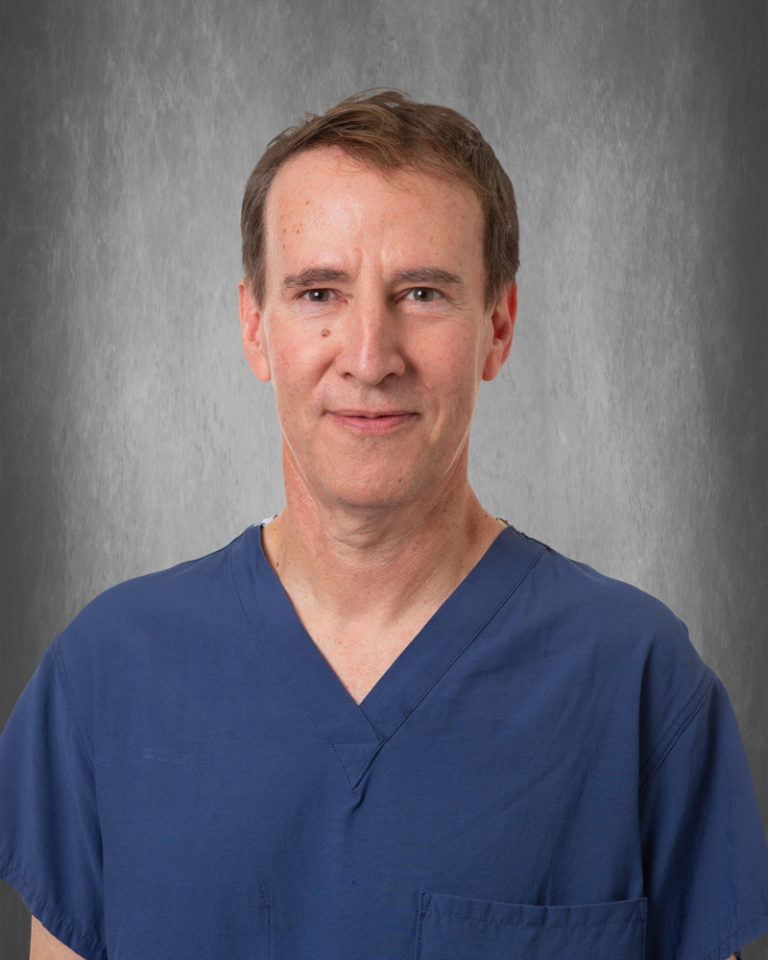
Specialist
 Accepting patients
Dr. David Barnes, MD is a Specialist, who primarily practices in Fishersville, VA with 1 additional practice location. He is board certified.
Fishersville, VA
RR
Ophthalmologist
Accepting patientsDr. Ryan Richmond, MD is an Ophthalmologist, who primarily practices in Charlottesville, VA with 1 additional practice location.
Charlottesville, VA
JW
Ophthalmologist
Accepting patientsDr. James Williams, MD is an Ophthalmologist, who primarily practices in Fishersville, VA with 2 additional practice locations.
Fishersville, VA