
36 Years of Experience
Affiliated with a Castle Connolly Top Hospital
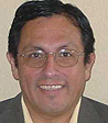
Who is Dr. Uceda, Surgeon in Dallas, TX?
Where did Dr. Uceda go to medical school and complete their residency?
Fellowship: Maimonides Med Center
Residency: Maimonides Med Ctr, General Surgery; Methodist Hosps Of Dallas, General Surgery | Methodist Health System | Methodist Hospital (Houston) Program
Medical School: University Nac Mayor De San Marcos- Prog Acad De Med Humana- Lima- Peru | The National University School of San Marcos School of Medicine | Universidad Nacional Mayor de San Marcos Facultad de Medicina San Fernando
Is Dr. Uceda board certified as a Surgeon?
Yes, Dr. Pablo Uceda, MD is board certified by the American Board of Surgery
What languages does Dr. Uceda speak?
Dr. Uceda and their clinical team can communicate with patients in the following languages:
- English
- Spanish
What conditions does a Surgeon like Dr. Uceda typically treat?
As a Surgeon, Dr. Uceda diagnoses, treats, and manages a wide range of conditions. This condition information is derived from anonymized insurance claims and highlights the medical conditions most commonly treated by Dr. Uceda. It provides insight into the doctor’s areas of experience and expertise based on real-world patient encounters from the past two years, updated quarterly. Learn more about our claims-based healthcare methodology.
Also known as:
- Arteriovenous Fistula Complication
- AV Fistula Problem
- Dialysis Fistula Issue
- Mechanical AV Fistula Complication
ICD-10 Codes:
- T82590A: Other mechanical complication of surgically created arteriovenous fistula, initial encounter
Also known as:
- Arteriovenous Shunt Complication
- AV shunt issue
- Dialysis shunt problem
- Vascular access complication
ICD-10 Codes:
- T82591A: Other mechanical complication of surgically created arteriovenous shunt, initial encounter
Also known as:
- End-Stage Kidney Disease
- Kidney Failure
- Chronic Kidney Disease (CKD)
- Helping Your Child Adapt to Life with Chronic Kidney Disease
- ESRD
- End-Stage Renal Failure
ICD-10 Codes:
- N186: End stage renal disease
Also known as:
- Peripheral Artery Disease with Both Legs Pain When Walking
- Atherosclerosis
- Peripheral Arterial Disease
- Bilateral leg claudication
- PAD both legs pain with activity
- Both legs artery pain when walking
ICD-10 Codes:
- I70213: Atherosclerosis of native arteries of extremities with intermittent claudication, bilateral legs
What procedures does a Surgeon like Dr. Uceda typically perform?
As a Surgeon, Dr. Uceda performs a variety of medical procedures. This procedure information is derived from anonymized insurance claims and highlights the medical procedures most commonly performed by Dr. Uceda. It provides insight into the doctor’s areas of experience and expertise based on real-world patient encounters from the past two years, updated quarterly. Learn more about our claims-based healthcare methodology.
Also known as:
- Dialysis Circuit Angioplasty with Balloon
- Dialysis Fistula Angioplasty
- Dialysis Graft Angioplasty
- Peripheral Dialysis Segment Angioplasty
CPT Codes:
- 36902: Introduction of needle(s) and/or catheter(s), dialysis circuit, with diagnostic angiography of the dialysis circuit, including all direct puncture(s) and catheter placement(s), injection(s) of contrast, all necessary imaging from the arterial anastomosis and adjacent artery through entire venous outflow including the inferior or superior vena cava, fluoroscopic guidance, radiological supervision and interpretation and image documentation and report; with transluminal balloon angioplasty, peripheral dialysis segment, including all imaging and radiological supervision and interpretation necessary to perform the angioplasty
Also known as:
- Removal of Tunneled Central Venous Catheter
- Central Line Removal
- Tunneled Catheter Extraction
- Venous Access Device Removal
CPT Codes:
- 36589: Removal of tunneled central venous catheter, without subcutaneous port or pump
Also known as:
- Dialysis Access Balloon Angioplasty
- Dialysis Fistula Angioplasty
- Dialysis Graft Angioplasty
- Central Dialysis Segment Angioplasty
- AV Fistula Angioplasty
CPT Codes:
- 36907: Transluminal balloon angioplasty, central dialysis segment, performed through dialysis circuit, including all imaging and radiological supervision and interpretation required to perform the angioplasty (List separately in addition to code for primary procedure)
Also known as:
- Revision of Arteriovenous (AV) Fistula
- AV fistula repair
- Dialysis graft revision
- Open AV fistula revision
CPT Codes:
- 36832: Revision, open, arteriovenous fistula; without thrombectomy, autogenous or nonautogenous dialysis graft (separate procedure)
Also known as:
- Clearing Blocked Dialysis Access with Balloon and Clot Removal
- Dialysis Access Angioplasty and Stenting
- Dialysis Graft Thrombectomy
- Dialysis Fistula Angioplasty
- Dialysis Access Declotting
- Peripheral Dialysis Segment Repair
- Dialysis Fistula Repair
- Dialysis Graft Stenting
- Peripheral Dialysis Circuit Intervention
CPT Codes:
- 36905: Percutaneous transluminal mechanical thrombectomy and/or infusion for thrombolysis, dialysis circuit, any method, including all imaging and radiological supervision and interpretation, diagnostic angiography, fluoroscopic guidance, catheter placement(s), and intraprocedural pharmacological thrombolytic injection(s); with transluminal balloon angioplasty, peripheral dialysis segment, including all imaging and radiological supervision and interpretation necessary to perform the angioplasty
- 36903: Introduction of needle(s) and/or catheter(s), dialysis circuit, with diagnostic angiography of the dialysis circuit, including all direct puncture(s) and catheter placement(s), injection(s) of contrast, all necessary imaging from the arterial anastomosis and adjacent artery through entire venous outflow including the inferior or superior vena cava, fluoroscopic guidance, radiological supervision and interpretation and image documentation and report; with transcatheter placement of intravascular stent(s), peripheral dialysis segment, including all imaging and radiological supervision and interpretation necessary to perform the stenting, and all angioplasty within the peripheral dialysis segment
Also known as:
- Creation of AV Fistula with Graft for Dialysis
- Arteriovenous Fistula Creation (Graft)
- Dialysis Access Graft
- Non-Autogenous AV Fistula
- Synthetic Graft for Dialysis
CPT Codes:
- 36830: Creation of arteriovenous fistula by other than direct arteriovenous anastomosis (separate procedure); nonautogenous graft (eg, biological collagen, thermoplastic graft)
Also known as:
- Long-Term Central Venous Catheter Insertion
- Tunneled central line placement
- Central venous access device insertion
- Hickman catheter insertion
- Broviac catheter insertion
CPT Codes:
- 36558: Insertion of tunneled centrally inserted central venous catheter, without subcutaneous port or pump; age 5 years or older
Does Dr. Uceda accept my insurance?
Dr. Uceda accepts most major insurance plans. Important: Please call our office at (972) 296-2122 before your appointment to verify that your specific plan and network are accepted.
What insurance plans does Dr. Uceda accept in Dallas, TX?
Dr. Uceda in Dallas, TX accepts plans from many carriers. While this list is updated regularly, it is not a guarantee of coverage.
Top Insurances
Cigna Group
Corporate Services
CVS Health (formerly Aetna)
Health Care Service Corporation
Medicare
Molina Healthcare
Oscar Health
UnitedHealth Group
View All Insurances
Where is Dr. Uceda's office located?
Dr. Pablo Uceda's Primary Practice
221 W Colorado Blvd Ste 625
Dallas, TX 75208
(972) 296-2122
What hospitals are Dr. Uceda affiliated with?

Castle Connolly Top Hospital
This doctor is affiliated with a Castle Connolly Top Hospital.
Dr. Uceda has admitting privileges at the following hospitals:



What is Dr. Uceda's NPI number?A National Provider Identifier (NPI) is a unique ID number that identifies doctors and healthcare providers nationwide.
Dr. Uceda's National Provider Identifier (NPI) number is 1508813916.
What common questions do patients ask about Dr. Uceda?
Here are answers to patients Frequently Asked Questions (FAQ’s) about Dr. Uceda