

Accepting patients
Affiliated with a Castle Connolly Top Hospital
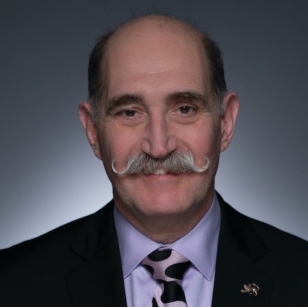
Who is Dr. Ratner, Transplant Surgeon in New York, NY?
Dr. Ratner is Professor of Surgery and Director of Renal and Pancreatic Transplantation at Columbia University. Prior to joining the faculty at Columbia, Dr. Ratner was on the faculty of Johns Hopkins University in Baltimore, and served as the Chief of Solid Organ Transplantation at Thomas Jefferson University in Philadelphia. Dr. Ratner was responsible for dramatic growth of the kidney transplant program at CUIMC. He also established the pancreas transplant program, and the Kidney Autotransplant Program. He introduced robotic surgery to our kidney transplant program. Access to organ transplantation has been Dr. Ratner's major academic interest. Dr. Ratner has been a leading innovator in transplantation for over two decades. In 1993, he performed the world's first dual renal transplant. In 1995 (with Dr. Louis Kavoussi) he performed the first laparoscopic donor nephrectomy, and set the stage for its widespread adoption, which resulted in a profound increase in living donor kidney transplantation. Dr. Ratner has made significant contributions in overcoming immunologic incompatibilities that prohibited transplantation. He devised the plasmapheresis/IVIg protocol for alloantibody desensitization in 1998. In 2001, Dr. Ratner orchestrated the second paired-kidney exchange in the U.S. Subsequently, he arranged the first paired kidney exchanges in both Pennsylvania and New York. More recently Dr. Ratner has been a leading proponent of including compatible donor/recipient pairs in kidney exchanges. And, his more contemporary work has looked at the organizational and regulatory barriers to access to care. All of these strategies have increased organ availability and access to transplantation. Additionally, he has made important contributions to improve living donor safety. For his work, Dr. Ratner has received numerous awards and honors. And, he has been invited to speak and operate at various venues around the world. Dr. Ratner has authored or co-authored over 240 peer-reviewed publications, and has been a federally funded investigator. His publications have been cited over 20,000 times. He served as the Chairman of the Board of Directors of the LiveOnNY (formerly the New York Organ Donor Network), and has served on numerous national committees including the Board of the Organ Procurement and Transplantation Network (OPTN). He recently completed a term as the President of the American Society of Transplant Surgeons, and previously served as that Society's Treasurer.Dr. Ratner originally hails from Brooklyn, NY. He received his undergraduate education at the State University of New York at Buffalo. He received his M.D. from Hahnemann University. His general surgery training was obtained at Long Island Jewish Medical Center. He completed a Fellowship in Transplantation Surgery and Immunology at Washington University. In 2011 Dr. Ratner completed a Master of Public Health with a focus on health care policy, administration and management.
 Website
What are Areas of Expertise for Dr. Ratner?
Dr. Lloyd Ratner, MD is a highly-rated, board-certified Transplant Surgeon known for expertly diagnosing, treating, and managing a wide array of related conditions and procedures. Utilizing the latest medical advancements and evidence-based practices, Dr. Ratner empowers patients to confidently navigate their health journey, specializing in Pancreatic Surgery, Transplant-Kidney, Transplant-Pancreas, and comprehensive wellness support. Serving the New York, NY community, Dr. Ratner is dedicated to enhancing lives through expert, patient-centered care.
Where did Dr. Ratner go to medical school and complete their residency?
Fellowship: Washington University School of Medicine, Saint Louis, Mo
Medical School: MCP HAHNEMANN UNIV (FORMERLY ALLEGHENY UNIV)
Is Dr. Ratner board certified as a Transplant Surgeon?
Yes, Dr. Lloyd Ratner, MD is board certified by the American Board of Surgery
What languages does Dr. Ratner speak?
Dr. Ratner and their clinical team can communicate with patients in the following languages:
English
What conditions does a Transplant Surgeon like Dr. Ratner typically treat?
As a Transplant Surgeon, Dr. Ratner diagnoses, treats, and manages a wide range of conditions. This condition information is derived from anonymized insurance claims and highlights the medical conditions most commonly treated by Dr. Ratner. It provides insight into the doctor’s areas of experience and expertise based on real-world patient encounters from the past two years, updated quarterly. Learn more about our claims-based healthcare methodology.
Also known as:
- Immune Deficiency from Drugs
- Drug-Induced Immunodeficiency
- Medication-Caused Immune Weakness
ICD-10 Codes:
- D84821: Immunodeficiency due to drugs
Also known as:
- End-Stage Kidney Disease
- Kidney Failure
- Chronic Kidney Disease (CKD)
- Helping Your Child Adapt to Life with Chronic Kidney Disease
- ESRD
- End-Stage Renal Failure
ICD-10 Codes:
- N186: End stage renal disease
Also known as:
- Kidney Donation
- Organ Donation
- Living kidney donation
- Deceased kidney donation
- Renal donation
ICD-10 Codes:
- Z524: Kidney donor
Also known as:
- Kidney Transplant Aftercare
- Kidney Transplantation
- Post-kidney transplant care
- Kidney transplant follow-up
- Renal transplant recovery
ICD-10 Codes:
- Z4822: Encounter for aftercare following kidney transplant
What procedures does a Transplant Surgeon like Dr. Ratner typically perform?
As a Transplant Surgeon, Dr. Ratner performs a variety of medical procedures. This procedure information is derived from anonymized insurance claims and highlights the medical procedures most commonly performed by Dr. Ratner. It provides insight into the doctor’s areas of experience and expertise based on real-world patient encounters from the past two years, updated quarterly. Learn more about our claims-based healthcare methodology.
Also known as:
- Open Kidney Biopsy
- Biopsy
- Kidney Tests
- Surgical Kidney Biopsy
- Kidney Tissue Sample (Open)
- Renal Biopsy (Surgical)
CPT Codes:
- 50205: Renal biopsy; by surgical exposure of kidney
Also known as:
- Kidney Transplant (without removing old kidney)
- Renal Allotransplantation
- Kidney Graft Implantation
- New Kidney Surgery
CPT Codes:
- 50360: Renal allotransplantation, implantation of graft; without recipient nephrectomy
Also known as:
- Preparing a Donor Kidney for Transplant
- Donor Kidney Arterial Reconstruction for Transplant
- Kidney Transplant Preparation
- Donor Kidney Backbench Preparation
- Renal Allograft Preparation
- Renal allograft preparation
- Kidney donor artery repair
- Transplant kidney preparation
- Organ reconstruction for transplant
CPT Codes:
- 50323: Backbench standard preparation of cadaver donor renal allograft prior to transplantation, including dissection and removal of perinephric fat, diaphragmatic and retroperitoneal attachments, excision of adrenal gland, and preparation of ureter(s), renal vein(s), and renal artery(s), ligating branches, as necessary
- 50328: Backbench reconstruction of cadaver or living donor renal allograft prior to transplantation; arterial anastomosis, each
Also known as:
- Kidney Transplant Vein Preparation
- Donor Kidney Preparation for Transplant
- Donor Kidney Vein Reconstruction
- Renal Allograft Venous Anastomosis
- Kidney Graft Vein Surgery
- Renal Allograft Preparation
- Kidney Transplant Organ Prep
- Living Donor Kidney Dissection
CPT Codes:
- 50327: Backbench reconstruction of cadaver or living donor renal allograft prior to transplantation; venous anastomosis, each
- 50325: Backbench standard preparation of living donor renal allograft (open or laparoscopic) prior to transplantation, including dissection and removal of perinephric fat and preparation of ureter(s), renal vein(s), and renal artery(s), ligating branches, as necessary
Also known as:
- Living Donor Kidney Removal (Laparoscopic)
- Laparoscopic donor nephrectomy
- Keyhole kidney removal for donation
- Minimally invasive kidney donation surgery
CPT Codes:
- 50547: Laparoscopy, surgical; donor nephrectomy (including cold preservation), from living donor
Does Dr. Ratner accept my insurance?
Dr. Ratner accepts most major insurance plans. Important: Please call our office at before your appointment to verify that your specific plan and network are accepted.
What insurance plans does Dr. Ratner accept in New York, NY?
Dr. Ratner in New York, NY accepts plans from many carriers. While this list is updated regularly, it is not a guarantee of coverage.
Top Insurances
Cigna Group
CVS Health (formerly Aetna)
EmblemHealth
Healthfirst New York
Medicare
National Benefit Fund
Service Employees International Union (SEIU)
UMR Administered Payer
UnitedHealth Group
Unknown
View All Insurances
Where is Dr. Ratner's office located?
New York-Presbyterian/Columbia University Irving Medical Center
622 West 168th Street
Floor 14
New York, NY 10032
What is Dr. Ratner's NPI number?An National Provider Identifier (NPI) is a unique ID number that identifies doctors and healthcare providers nationwide.
Dr. Ratner's National Provider Identifier (NPI) number is 1437190089.
What common questions do patients ask about Dr. Ratner?
Here are answers to patients Frequently Asked Questions (FAQ’s) about Dr. Ratner
What is Dr. Lloyd Ratner's specialty?
Dr. Ratner is a Transplant Surgeon near New York, NY.
What does a Transplant Surgeon do?
A transplant surgeon specializes in replacing damaged body organs with healthy ones from donors. They are responsible to oversee the entire process, including evaluating recipients, selecting donor organs, performing surgeries, and managing postoperative care to ensure successful recovery of a patient.
Is this Dr. Lloyd Ratner affiliated with a ranked Castle Connolly Top Hospital?
Yes, Dr. Ratner is affiliated with Newyork-Presbyterian/columbia University Irving Medical Center which is a Castle Connolly Top Hospital. Castle Connolly Top Hospitals are healthcare institutions recognized for their excellence in specific medical procedures and overall patient care. They are identified through a rigorous peer nomination process, evaluating factors like patient outcomes, quality of care, and expertise. The list recognizes hospitals that excel in 20 or more specific medical procedures, representing the top 25% nationwide. Castle Connolly Top Hospitals
When to see a Transplant Surgeon?: Guides for symptoms, conditions, and treatments
Understand your symptoms and know when it’s time to see a Transplant Surgeon. Explore insights from trusted medical experts on EverydayHealth.com, where you'll find the most relevant content and helpful condition guides for up-to date information about symptoms, causes, diagnosis, treatment and more. See all our health guides to find trusted information on medical conditions from our experts at Everyday Health.
Is Lloyd Ratner accepting new patients in New York, NY?
Yes, Dr. Lloyd Ratner is accepting new patients at this time.
Does Dr. Lloyd Ratner offer online booking?
Please contact Dr. Ratner's office for information about online booking, telehealth, or to schedule an appointment.
How can I make an appointment with Lloyd Ratner?
Please contact Dr. Ratner's office for information regarding telehealth appointment availability or for scheduling assistance.
Which board certifications does Dr. Lloyd Ratner have?
Dr. Lloyd Ratner is certified by the American Board of Surgery.
Other Transplant Surgeon Near New York, NY
 Accepting patients
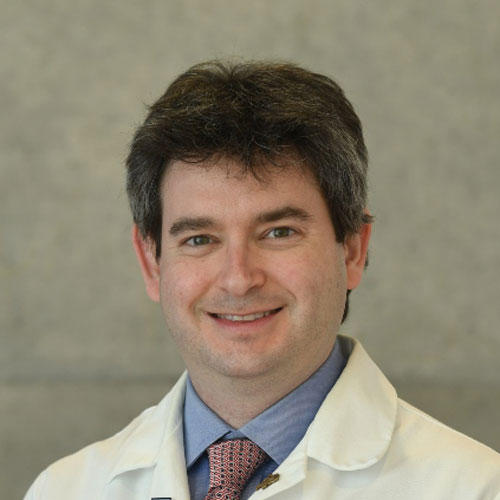
Dr. Joshua Weiner, MD is a Transplant Surgeon, who primarily practices in New York, NY.

CUIMC/Presbyterian Hospital and Vanderbilt Clinic
622 West 168th Street
New York, NY 10032
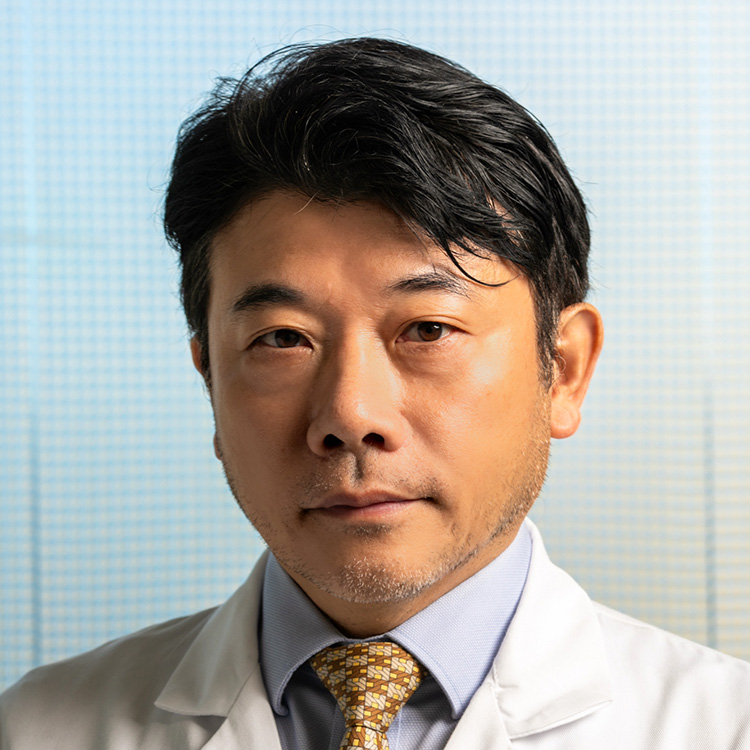
Dr. Masaru Kubota, MD, PHD is a Surgeon, who primarily practices in New York, NY.

CUIMC/Presbyterian Hospital and Vanderbilt Clinic
622 West 168th Street
New York, NY 10032
 Accepting patients
Dr. Hautien Liou, MD is a Transplant Surgeon, who primarily practices in New York, NY.

CUIMC/NewYork-Presbyterian Morgan Stanley Children's Hospital
3959 Broadway
New York, NY 10032
Connect with DR. Ratner
Sponsored

New York-Presbyterian/Columbia University Irving Medical Center
622 West 168th Street
New York, NY 10032