
36 Years of Experience
Affiliated with a Castle Connolly Top Hospital
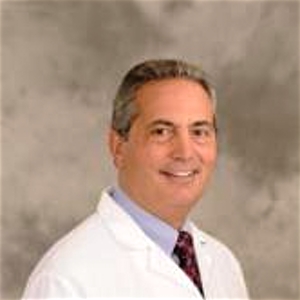
Who is Dr. Benedetto, MOHS-Micrographic Surgeon in Philadelphia, PA?
What are Areas of Expertise for Dr. Benedetto?
Dr. Ernest Benedetto, MD is a highly-rated, board-certified MOHS-Micrographic Surgeon known for expertly diagnosing, treating, and managing a wide array of related conditions and procedures. Utilizing the latest medical advancements and evidence-based practices, Dr. Benedetto empowers patients to confidently navigate their health journey, specializing in Melanoma, Mohs Surgery, Skin Cancer, and comprehensive wellness support. Serving the Philadelphia, PA community, Dr. Benedetto is dedicated to enhancing lives through expert, patient-centered care.
Where did Dr. Benedetto go to medical school and complete their residency?
Residency: Cleveland Clinic Fndn, Dermatology; Cleveland Clinic Fndn, Internal Medicine | Cleveland Clinic Foundation
Medical School: Libero Institute University Di Med E Chirurgia Dell'Aquila | University of Liberia / A.M. Dogliotti College of Medicine | University degli Studi di Torino Scuola di Medicina | and Surgery University of Rome L
What languages does Dr. Benedetto speak?
Dr. Benedetto and their clinical team can communicate with patients in the following languages:
- English
- Italian
What conditions does a MOHS-Micrographic Surgeon like Dr. Benedetto typically treat?
As a MOHS-Micrographic Surgeon, Dr. Benedetto diagnoses, treats, and manages a wide range of conditions. This condition information is derived from anonymized insurance claims and highlights the medical conditions most commonly treated by Dr. Benedetto. It provides insight into the doctor’s areas of experience and expertise based on real-world patient encounters from the past two years, updated quarterly. Learn more about our claims-based healthcare methodology.
Also known as:
- Inflamed Seborrheic Keratosis
- Benign Tumor
- Skin Condition
- Irritated seborrheic keratosis
- Red skin growth
- Inflamed age spot
ICD-10 Codes:
- L820: Inflamed seborrheic keratosis
Also known as:
- Actinic Keratosis
- Skin Condition
- Sun Exposure
- Skin Cancer Treatment (PDQ®)
- Solar keratosis
- Precancerous skin lesion
- Rough sun spots
ICD-10 Codes:
- L570: Actinic keratosis
Also known as:
- Skin Tumor of Uncertain Behavior
- Skin Condition
- Skin Neoplasm
- Skin Growth
- Uncertain Skin Lesion
ICD-10 Codes:
- D485: Neoplasm of uncertain behavior of skin
Also known as:
- Plaque Psoriasis
- Psoriasis
- Common psoriasis
- Chronic plaque psoriasis
- Psoriasis of the skin
ICD-10 Codes:
- L400: Psoriasis vulgaris
Also known as:
- Skin Scarring and Fibrosis
- Skin Condition
- Scar Tissue
- Fibrotic Skin
- Excessive Scarring
ICD-10 Codes:
- L905: Scar conditions and fibrosis of skin
What procedures does a MOHS-Micrographic Surgeon like Dr. Benedetto typically perform?
As a MOHS-Micrographic Surgeon, Dr. Benedetto performs a variety of medical procedures. This procedure information is derived from anonymized insurance claims and highlights the medical procedures most commonly performed by Dr. Benedetto. It provides insight into the doctor’s areas of experience and expertise based on real-world patient encounters from the past two years, updated quarterly. Learn more about our claims-based healthcare methodology.
Also known as:
- Removal of Benign Skin Lesions
- Removal of Precancerous Skin Lesions
- Large Vascular Skin Lesion Removal
- Removal of Multiple Benign Skin Lesions
- Skin Conditions
- Benign Skin Growth Destruction
- Skin Lesion Excision
- Cryosurgery for Skin Lesions
- Electrosurgery for Skin Lesions
- Actinic Keratosis Treatment
- Premalignant Lesion Destruction
- Skin Cancer Prevention Treatment
- Cutaneous Vascular Lesion Destruction
- Laser Skin Lesion Removal
- Vascular Birthmark Treatment
- Skin Growth Removal (Laser)
- Skin Growth Destruction
- Benign Lesion Excision
- Electrosurgery for Skin Growths
CPT Codes:
- 17110: Destruction (eg, laser surgery, electrosurgery, cryosurgery, chemosurgery, surgical curettement), of benign lesions other than skin tags or cutaneous vascular proliferative lesions; up to 14 lesions
- 17000: Destruction (eg, laser surgery, electrosurgery, cryosurgery, chemosurgery, surgical curettement), premalignant lesions (eg, actinic keratoses); first lesion
- 17108: Destruction of cutaneous vascular proliferative lesions (eg, laser technique); over 50.0 sq cm
- 17003: Destruction (eg, laser surgery, electrosurgery, cryosurgery, chemosurgery, surgical curettement), premalignant lesions (eg, actinic keratoses); second through 14 lesions, each (List separately in addition to code for first lesion)
- 17111: Destruction (eg, laser surgery, electrosurgery, cryosurgery, chemosurgery, surgical curettement), of benign lesions other than skin tags or cutaneous vascular proliferative lesions; 15 or more lesions
Also known as:
- Mohs Micrographic Surgery
- Mohs Micrographic Surgery (Trunk/Arms/Legs, First Stage)
- Mohs Surgery (Additional Stage)
- Mohs Surgery
- Micrographic Skin Cancer Surgery
- Mohs Excision
- Precision Skin Cancer Removal
- Mohs surgery body
- Skin cancer removal trunk
- Micrographic surgery arms
- Precise skin cancer surgery legs
- Mohs micrographic surgery
- Skin cancer removal with mapping
- Staged skin cancer surgery
CPT Codes:
- 17311: Mohs micrographic technique, including removal of all gross tumor, surgical excision of tissue specimens, mapping, color coding of specimens, microscopic examination of specimens by the surgeon, and histopathologic preparation including routine stain(s) (eg, hematoxylin and eosin, toluidine blue), head, neck, hands, feet, genitalia, or any location with surgery directly involving muscle, cartilage, bone, tendon, major nerves, or vessels; first stage, up to 5 tissue blocks
- 17313: Mohs micrographic technique, including removal of all gross tumor, surgical excision of tissue specimens, mapping, color coding of specimens, microscopic examination of specimens by the surgeon, and histopathologic preparation including routine stain(s) (eg, hematoxylin and eosin, toluidine blue), of the trunk, arms, or legs; first stage, up to 5 tissue blocks
- 17314: Mohs micrographic technique, including removal of all gross tumor, surgical excision of tissue specimens, mapping, color coding of specimens, microscopic examination of specimens by the surgeon, and histopathologic preparation including routine stain(s) (eg, hematoxylin and eosin, toluidine blue), of the trunk, arms, or legs; each additional stage after the first stage, up to 5 tissue blocks (List separately in addition to code for primary procedure)
Also known as:
- Mohs Surgery
- Mohs Micrographic Surgery
- Skin Cancer Removal
- Precise Skin Cancer Surgery
CPT Codes:
- 17312: Mohs micrographic technique, including removal of all gross tumor, surgical excision of tissue specimens, mapping, color coding of specimens, microscopic examination of specimens by the surgeon, and histopathologic preparation including routine stain(s) (eg, hematoxylin and eosin, toluidine blue), head, neck, hands, feet, genitalia, or any location with surgery directly involving muscle, cartilage, bone, tendon, major nerves, or vessels; each additional stage after the first stage, up to 5 tissue blocks (List separately in addition to code for primary procedure)
Also known as:
- Skin Flap Surgery (Medium Size)
- Adjacent tissue transfer
- Local flap surgery
- Skin rearrangement
CPT Codes:
- 14041: Adjacent tissue transfer or rearrangement, forehead, cheeks, chin, mouth, neck, axillae, genitalia, hands and/or feet; defect 10.1 sq cm to 30.0 sq cm
Also known as:
- Wound Debridement
- Surgical Wound Cleaning
- Tissue Removal from Wound
- Dead Tissue Removal
CPT Codes:
- 11042: Debridement, subcutaneous tissue (includes epidermis and dermis, if performed); first 20 sq cm or less
Also known as:
- Adjacent Tissue Transfer (Medium Defect)
- Local Skin Flap
- Tissue Rearrangement Surgery
- Skin Reconstruction (Local)
- Adjacent Tissue Graft
CPT Codes:
- 14021: Adjacent tissue transfer or rearrangement, scalp, arms and/or legs; defect 10.1 sq cm to 30.0 sq cm
Also known as:
- Skin Flap Surgery (Medium)
- Tissue Rearrangement Surgery
- Local Flap Surgery
- Skin Graft (Adjacent Tissue)
CPT Codes:
- 14301: Adjacent tissue transfer or rearrangement, any area; defect 30.1 sq cm to 60.0 sq cm
Does Dr. Benedetto accept my insurance?
Please contact Dr. Benedetto's office to confirm accepted insurance plans.
Where is Dr. Benedetto's office located?
Dr. Ernest Benedetto's Primary Practice
1200 Locust St
Philadelphia, PA 19107
(215) 546-3666
What hospitals are Dr. Benedetto affiliated with?

Castle Connolly Top Hospital
This doctor is affiliated with a Castle Connolly Top Hospital.
Dr. Benedetto has admitting privileges at the following hospitals:



What is Dr. Benedetto's NPI number?A National Provider Identifier (NPI) is a unique ID number that identifies doctors and healthcare providers nationwide.
Dr. Benedetto's National Provider Identifier (NPI) number is 1538100540.
What common questions do patients ask about Dr. Benedetto?
Here are answers to patients Frequently Asked Questions (FAQ’s) about Dr. Benedetto