
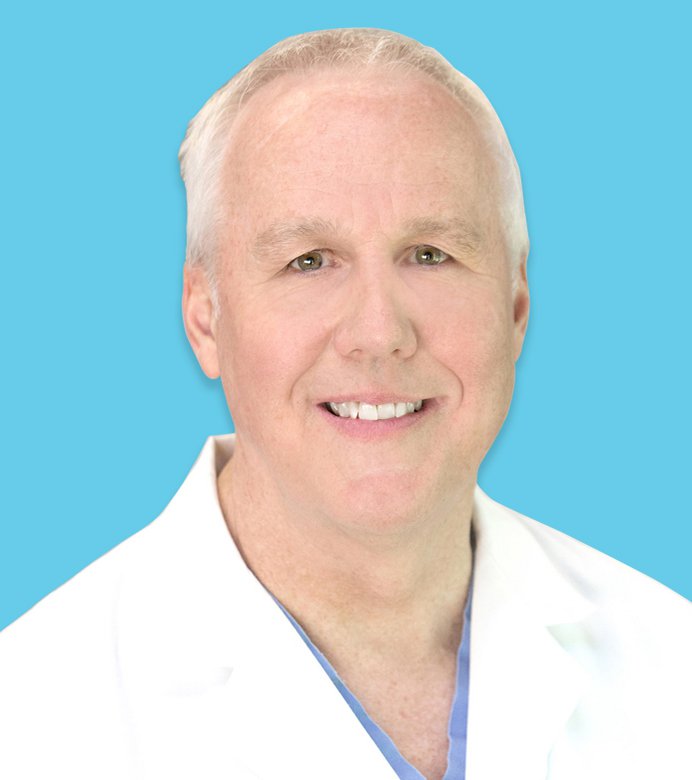
Who is Dr. Ray, Dermatologist in Dallas, TX?
Specializing in skin lesion removal for patients with seborrheic keratosis, offering focused clinical care, Dr. Mark Ray MD is a trusted dermatologist in Dallas, Texas. With multiple practice locations across the Dallas area, including Dallas, Little Elm, and Carrollton, he provides comprehensive skin care to a diverse patient population. With a clinical focus on managing common skin conditions such as seborrheic keratosis, moles, and sun damage skin conditions, Dr. Ray performs procedures like skin lesion removal, wound repair, and skin cancer removal. His expertise also extends to treating benign skin growths and warts, ensuring patients receive thorough care for their skin health needs. By combining precise diagnosis with effective treatment strategies, Dr. Ray helps patients achieve optimal skin health outcomes. Dr. Ray's medical education background includes training at the University of Texas Medical Branch Galveston and Texas A&M University, where he earned his medical degree. He further honed his skills through residencies at Emory University School of Medicine and Emory Healthcare. Board-certified by the American Board of Dermatology, Dr. Ray is well-equipped to address a wide range of dermatological concerns. New patients can schedule a visit with Dr. Ray, who accepts various insurance carriers, including Medicare, Medicaid, and major commercial payers like Cigna and UnitedHealth Group. His practice is also accessible to Spanish-speaking patients, reflecting his commitment to serving the diverse needs of his community. Appointments are available at his Dallas office, and patients can contact his office directly to schedule a consultation.
Where did Dr. Ray go to medical school and complete their residency?
Residency: Emory Univ Sch Of Med, Dermatology John P Smith Hosp, Flexible Or Transitional Year | EMORY HEALTHCARE
Medical School: University of Tx Med Branch Galveston, Galveston Tx | Texas A&M University
Is Dr. Ray board certified as a Dermatologist?
Yes, Dr. Mark Ray, MD is board certified by the American Board of Dermatology
What languages does Dr. Ray speak?
Dr. Ray and their clinical team can communicate with patients in the following languages:
English
Spanish
What conditions does a Dermatologist like Dr. Ray typically treat?
As a Dermatologist, Dr. Ray diagnoses, treats, and manages a wide range of conditions. This condition information is derived from anonymized insurance claims and highlights the medical conditions most commonly treated by Dr. Ray. It provides insight into the doctor’s areas of experience and expertise based on real-world patient encounters from the past two years, updated quarterly. Learn more about our claims-based healthcare methodology.
Also known as:
- Seborrheic Keratosis
- Benign Tumor
- Skin Condition
- SK
- Senile Wart
- Barnacle of Life
ICD-10 Codes:
- L821: Other seborrheic keratosis
Also known as:
- Personal History of Other Skin Cancer
- Skin Cancer
- Past skin cancer
- Previous cutaneous malignancy
- History of skin tumor
ICD-10 Codes:
- Z85828: Personal history of other malignant neoplasm of skin
Also known as:
- Moles
- Birthmarks
- Common Moles, Dysplastic Nevi, and Risk of Melanoma
- Nevi
- Beauty marks
- Skin spots
ICD-10 Codes:
- D229: Melanocytic nevi, unspecified
Also known as:
- Actinic Keratosis
- Skin Condition
- Sun Exposure
- Skin Cancer Treatment (PDQ®)
- Solar keratosis
- Precancerous skin lesion
- Rough sun spots
ICD-10 Codes:
- L570: Actinic keratosis
Also known as:
- Inflamed Seborrheic Keratosis
- Benign Tumor
- Skin Condition
- Irritated seborrheic keratosis
- Red skin growth
- Inflamed age spot
ICD-10 Codes:
- L820: Inflamed seborrheic keratosis
Also known as:
- Other types of warts
- Warts
- Different kinds of warts
- Various warts
- Uncommon warts
ICD-10 Codes:
- B078: Other viral warts
Also known as:
- Skin Tumor of Uncertain Behavior
- Skin Condition
- Skin Neoplasm
- Skin Growth
- Uncertain Skin Lesion
ICD-10 Codes:
- D485: Neoplasm of uncertain behavior of skin
Also known as:
- Acne Vulgaris
- Acne
- Common acne
- Pimples
- Breakouts
ICD-10 Codes:
- L700: Acne vulgaris
What procedures does a Dermatologist like Dr. Ray typically perform?
As a Dermatologist, Dr. Ray performs a variety of medical procedures. This procedure information is derived from anonymized insurance claims and highlights the medical procedures most commonly performed by Dr. Ray. It provides insight into the doctor’s areas of experience and expertise based on real-world patient encounters from the past two years, updated quarterly. Learn more about our claims-based healthcare methodology.
Also known as:
- Removal of Benign Skin Lesions
- Removal of Malignant Skin Lesion (Trunk/Limbs)
- Benign Skin Growth Destruction
- Skin Lesion Excision
- Cryosurgery for Skin Lesions
- Electrosurgery for Skin Lesions
- Skin Cancer Removal
- Malignant Lesion Destruction
- Skin Tumor Excision
- Cryosurgery for Skin Lesion
CPT Codes:
- 17110: Destruction (eg, laser surgery, electrosurgery, cryosurgery, chemosurgery, surgical curettement), of benign lesions other than skin tags or cutaneous vascular proliferative lesions; up to 14 lesions
- 17262: Destruction, malignant lesion (eg, laser surgery, electrosurgery, cryosurgery, chemosurgery, surgical curettement), trunk, arms or legs; lesion diameter 1.1 to 2.0 cm
Also known as:
- Intermediate Wound Repair (Body)
- Intermediate Face/Head Wound Repair (2.6-5.0 cm)
- Facial Wound Repair
- Wounds and Injuries
- Laceration Repair (Body)
- Surgical Wound Closure (Trunk/Limbs)
- Deep Wound Stitching (Body)
- Facial Laceration Repair
- Head Wound Stitching
- Complex Facial Cut Repair
- Stitches for facial cut
- Intermediate wound closure
- Repair of facial laceration
CPT Codes:
- 12032: Repair, intermediate, wounds of scalp, axillae, trunk and/or extremities (excluding hands and feet); 2.6 cm to 7.5 cm
- 12052: Repair, intermediate, wounds of face, ears, eyelids, nose, lips and/or mucous membranes; 2.6 cm to 5.0 cm
- 12051: Repair, intermediate, wounds of face, ears, eyelids, nose, lips and/or mucous membranes; 2.5 cm or less
Also known as:
- Skin Cancer Removal (Face, Ears, Eyelids, Nose, Lips)
- Malignant Lesion Excision
- Facial Skin Cancer Surgery
- Lip Cancer Removal
CPT Codes:
- 11642: Excision, malignant lesion including margins, face, ears, eyelids, nose, lips; excised diameter 1.1 to 2.0 cm
Also known as:
- Skin Biopsy
- Shave Biopsy
- Tangential Biopsy
- Skin Lesion Biopsy
CPT Codes:
- 11102: Tangential biopsy of skin (eg, shave, scoop, saucerize, curette); single lesion
Also known as:
- Skin Cancer Destruction (Body)
- Malignant Lesion Removal (Trunk/Limbs)
- Laser Removal of Skin Cancer
- Cryosurgery for Skin Cancer
- Electrosurgery for Malignant Lesion
CPT Codes:
- 17261: Destruction, malignant lesion (eg, laser surgery, electrosurgery, cryosurgery, chemosurgery, surgical curettement), trunk, arms or legs; lesion diameter 0.6 to 1.0 cm
Does Dr. Ray accept my insurance?
Dr. Ray accepts most major insurance plans. Important: Please call our office at (972) 492-7900 before your appointment to verify that your specific plan and network are accepted.
What insurance plans does Dr. Ray accept in Dallas, TX?
Dr. Ray in Dallas, TX accepts plans from many carriers. While this list is updated regularly, it is not a guarantee of coverage.
Top Insurances
All Other Third Party
Blue Cross Blue Shield of Michigan
Centene Corporation
Cigna Group
Elevance Health Inc. (formerly Anthem)
Health Care Service Corporation
Medicare
Molina Healthcare
Parkland Health & Hospital System
UnitedHealth Group
View All Insurances
Where is Dr. Ray's office located?
Ratings & Reviews

5.0
Overall rating
Based on 1 reviews

Attentiveness
100% of patients felt that their time spent with the doctor was meaningful and impactful and that any follow ups were addressed quickly
Wait Times
80% of patients were satisfied with the wait time
Diagnosis
100% of patients were satisfied with the doctor's diagnosis and explanation of their condition
Patients give Dr. Mark Ray an Excellent overall experience rating of 5 out of 5 stars. Dr. Ray has been rated and reviewed by 1 patient. These ratings are based on a variety of factors, including the amount of time patients spent with Dr. Ray, his bedside manner, appointment waiting time, friendliness of the office staff, clarity of diagnosis, and more.
Read Patient ReviewsWhat is Dr. Ray's NPI number?An National Provider Identifier (NPI) is a unique ID number that identifies doctors and healthcare providers nationwide.
Dr. Ray's National Provider Identifier (NPI) number is 1720022874.
What common questions do patients ask about Dr. Ray?
Here are answers to patients Frequently Asked Questions (FAQ’s) about Dr. Ray
What is Dr. Mark Ray's specialty?
Dr. Ray is a Dermatologist near Dallas, TX.
What does a Dermatologist do?
Dermatologists are medical professionals trained to diagnose and treat a wide range of skin conditions in both children and adults, including skin cancers, melanomas, and other tumors. They also manage disorders of the mouth, external genitalia, hair, and nails, and are skilled in treating conditions like dermatitis, allergic reactions, and skin manifestations of systemic diseases. Dermatologists receive specialized training in dermatopathology and dermatologic surgical techniques, and address cosmetic issues such as hair loss and scarring. Additionally, they use laboratory methods to diagnose immune-related skin disorders, often collaborating with immunohematologists for expert consultation and targeted therapies.
Is this Dr. Mark Ray affiliated with a ranked Castle Connolly Top Hospital?
No, Ray is not affiliated with a Castle Connolly Top Hospital, but is affiliated with the following hospitals: Parkland Health. Castle Connolly Top Hospitals are identified through a rigorous peer nomination process, evaluating factors like patient outcomes, quality of care, and expertise. The list recognizes hospitals that excel in 20 or more specific medical procedures, representing the top 25% nationwide. Castle Connolly Top Hospitals
When to see a Dermatologist?: Guides for symptoms, conditions, and treatments
Understand your symptoms and know when it’s time to see a Dermatologist. Explore insights from trusted medical experts on EverydayHealth.com, where you'll find the most relevant content and helpful condition guides for up-to date information about symptoms, causes, diagnosis, treatment and more. See all our health guides to find trusted information on medical conditions from our experts at Everyday Health.
Is Mark Ray accepting new patients in Dallas, TX?
Yes, Dr. Mark Ray is accepting new patients at this time.
Does Dr. Mark Ray offer online booking?
Please contact Dr. Ray's office at (972) 492-7900 for information about online booking, telehealth, or to schedule an appointment.
How can I make an appointment with Mark Ray?
Please contact Dr. Ray's office at (972) 492-7900 for information regarding telehealth appointment availability or for scheduling assistance.
Which board certifications does Dr. Mark Ray have?
Dr. Mark Ray is certified by the American Board of Dermatology.
Other Dermatologist Near Dallas, TX
Procedural Dermatologist
Accepting patientsDermatologist
Accepting patientsDermatologist
Accepting patients