
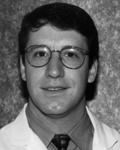
Who is Dr. Sanders, Internist in Mobile, AL?
Dr. Donald Sanders, MD is an Internist, who primarily practices in Mobile, AL. Dr. Sanders graduated from University of Alabama School of Medicine and completed his residency at Carraway Methodist Med Ctr, Internal Medicine. Dr. Sanders is fluent in English, and is currently seeing new patients. Dr. Sanders’s practice accepts Medicaid, Medicare, Aetna, Cigna, UnitedHealthcare and other major insurance plans. To book an appointment or to confirm insurance options, please call Dr. Sanders’s office at (251) 414-5900.
What are Areas of Expertise for Dr. Sanders?
Dr. Donald Sanders, MD is a highly-rated, board-certified Internist known for expertly diagnosing, treating, and managing a wide array of related conditions and procedures. Utilizing the latest medical advancements and evidence-based practices, Dr. Sanders empowers patients to confidently navigate their health journey, specializing in Clinical Trials, Diabetes, Hypertension, Primary Care, and comprehensive wellness support. Serving the Mobile, AL community, Dr. Sanders is dedicated to enhancing lives through expert, patient-centered care.
Where did Dr. Sanders go to medical school and complete their residency?
Residency: Carraway Methodist Med Ctr, Internal Medicine | Carraway Methodist Med Center | Central Iowa Health System (Iowa Methodist Medical Center) Program
Medical School: University of Alabama School of Medicine
What languages does Dr. Sanders speak?
Dr. Sanders and their clinical team can communicate with patients in the following languages:
English
What conditions does an Internist like Dr. Sanders typically treat?
As an Internist, Dr. Sanders diagnoses, treats, and manages a wide range of conditions. This condition information is derived from anonymized insurance claims and highlights the medical conditions most commonly treated by Dr. Sanders. It provides insight into the doctor’s areas of experience and expertise based on real-world patient encounters from the past two years, updated quarterly. Learn more about our claims-based healthcare methodology.
Also known as:
- High Blood Pressure
- Hypertension
- Primary Hypertension
- Essential Hypertension
ICD-10 Codes:
- I10: Essential (primary) hypertension
Also known as:
- Overweight
- Obesity
- Severe Obesity
- Body Weight
- Helping Your Child Who Is Overweight
- Take Charge of Your Health: A Guide for Teenagers
- Understanding Adult Overweight & Obesity
- Excess Weight
- High BMI (Overweight)
- Pre-Obesity
- Being Overweight
- High BMI
- Morbid Obesity
- Extreme Obesity
- Class 3 Obesity
ICD-10 Codes:
- E663: Overweight
- E669: Obesity, unspecified
- E6601: Morbid (severe) obesity due to excess calories
Also known as:
- Adult Health Checkup with Abnormal Findings
- Health Checkup
- Adult Physical Exam with Issues
- Routine Checkup with Concerns
- General Medical Exam with Abnormal Results
ICD-10 Codes:
- Z0001: Encounter for general adult medical examination with abnormal findings
Also known as:
- Chronic Kidney Disease from High Blood Pressure
- Chronic Kidney Disease
- High Blood Pressure
- Hypertensive Chronic Kidney Disease
- High Blood Pressure Kidney Disease
- Hypertension-Related Kidney Disease
ICD-10 Codes:
- I129: Hypertensive chronic kidney disease with stage 1 through stage 4 chronic kidney disease, or unspecified chronic kidney disease
Also known as:
- Vitamin D Deficiency
- Low Vitamin D Levels
- Lack of Vitamin D
- Hypovitaminosis D
ICD-10 Codes:
- E559: Vitamin D deficiency, unspecified
Also known as:
- Other Long-Term Drug Therapy
- Chronic medication use
- Ongoing drug treatment
- Extended drug therapy
ICD-10 Codes:
- Z79899: Other long term (current) drug therapy
Also known as:
- High Cholesterol
- Cholesterol
- Hypercholesterolemia
- High blood cholesterol
- Elevated cholesterol
ICD-10 Codes:
- E7800: Pure hypercholesterolemia, unspecified
Also known as:
- Other Specific B Vitamin Deficiency
- B Vitamins
- Malnutrition
- Specific B Vitamin Shortage
- Less Common B Vitamin Deficiency
- Rare B Vitamin Deficiency
ICD-10 Codes:
- E538: Deficiency of other specified B group vitamins
What procedures does an Internist like Dr. Sanders typically perform?
As an Internist, procedures performed by Dr. Donald Sanders may include:
- Ambulatory Care Consultation
- Annual Check Up
- Annual Physical
- Aromatherapy
- Bladder and Bowel Management
- Blood Pressure Testing
- Bowel and Bladder Management
- Certified Medical Examination for Commercial Driver / Vessel Master
Please contact Dr. Sanders' office directly to confirm care for your specific procedure, for more information, or to schedule a consultation.
Does Dr. Sanders accept my insurance?
Dr. Sanders accepts most major insurance plans. Important: Please call our office at (251) 414-5900 before your appointment to verify that your specific plan and network are accepted.
What insurance plans does Dr. Sanders accept in Mobile, AL?
Dr. Sanders in Mobile, AL accepts plans from many carriers. While this list is updated regularly, it is not a guarantee of coverage.
Top Insurances
All Other Third Party
Canon
Cigna Group
CVS Health (formerly Aetna)
Humana
Medicaid
Medicare
State of Alabama
UnitedHealth Group
Unknown
View All Insurances
Where is Dr. Sanders' office located?
Dr. Donald Sanders' Primary Practice
101 Memorial Hospital Dr Ste 200
Mobile, AL 36608
(251) 414-5900
What is Dr. Sanders's NPI number?An National Provider Identifier (NPI) is a unique ID number that identifies doctors and healthcare providers nationwide.
Dr. Sanders's National Provider Identifier (NPI) number is 1811995731.
What common questions do patients ask about Dr. Sanders?
Here are answers to patients Frequently Asked Questions (FAQ’s) about Dr. Sanders
What is Dr. Donald Sanders's specialty?
Dr. Sanders is a Internist near Mobile, AL.
What does an Internist do?
A physician who provides long-term, comprehensive care in the office and the hospital, managing both common and complex illness of adolescents, adults and the elderly. Internists are trained in the diagnosis and treatment of cancer, infections and diseases affecting the heart, blood, kidneys, joints and digestive, respiratory and vascular systems. They are also trained in the essentials of primary care internal medicine, which incorporates an understanding of disease prevention, wellness, substance abuse, mental health and effective treatment of common problems of the eyes, ears, skin, nervous system and reproductive organs.
Is this Dr. Donald Sanders affiliated with a ranked Castle Connolly Top Hospital?
No, Sanders is not affiliated with a Castle Connolly Top Hospital, but is affiliated with the following hospitals: Springhill Medical Center - Mobile, AL, Mobile Infirmary. Castle Connolly Top Hospitals are identified through a rigorous peer nomination process, evaluating factors like patient outcomes, quality of care, and expertise. The list recognizes hospitals that excel in 20 or more specific medical procedures, representing the top 25% nationwide. Castle Connolly Top Hospitals
When to see an Internist?: Guides for symptoms, conditions, and treatments
Understand your symptoms and know when it’s time to see an Internist. Explore insights from trusted medical experts on EverydayHealth.com, where you'll find the most relevant content and helpful condition guides for up-to date information about symptoms, causes, diagnosis, treatment and more. See all our health guides to find trusted information on medical conditions from our experts at Everyday Health.
Is Donald Sanders accepting new patients in Mobile, AL?
Yes, Dr. Donald Sanders is accepting new patients at this time.
Does Dr. Donald Sanders offer online booking?
Please contact Dr. Sanders's office at (251) 414-5900 for information about online booking, telehealth, or to schedule an appointment.
How can I make an appointment with Donald Sanders?
Please contact Dr. Sanders's office at (251) 414-5900 for information regarding telehealth appointment availability or for scheduling assistance.
Other Internist Near Mobile, AL
Infectious Disease Specialist
 Accepting patients
Internist
Accepting patientsInfectious Disease Specialist
Accepting patients