
29 Years of Experience
Affiliated with a Castle Connolly Top Hospital
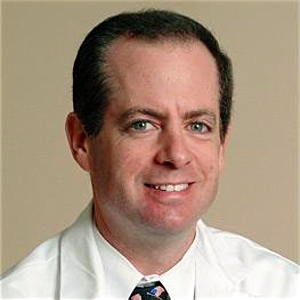
Who is Dr. Krebs, Ophthalmologist in Saginaw, MI?
Where did Dr. Krebs go to medical school and complete their residency?
Fellowship: Medical College of Wisconsin Affiliated Hospitals Program
Residency: Suny Hlth Sci Ctr Brooklyn, Ophthalmology; Staten Island Univ Hosp, Internal Medicine | SUNY Health Science Center | State University of New York Downstate Medical Center College of Medicine
Medical School: Suny-Hlth Sci Ctr At Brooklyn, Coll of Med, Brooklyn Ny | SUNY Downstate Medical Center College Of Medicine | Hamilton College | State University of New York Downstate Medical Center College of Medicine
Is Dr. Krebs board certified as an Ophthalmologist?
Yes, Dr. David Krebs, MD is board certified by the American Board of Ophthalmology
What languages does Dr. Krebs speak?
Dr. Krebs and their clinical team can communicate with patients in the following languages:
- English
- Greek, Modern (1453-)
- Spanish
What conditions does an Ophthalmologist like Dr. Krebs typically treat?
As an Ophthalmologist, Dr. Krebs diagnoses, treats, and manages a wide range of conditions. This condition information is derived from anonymized insurance claims and highlights the medical conditions most commonly treated by Dr. Krebs. It provides insight into the doctor’s areas of experience and expertise based on real-world patient encounters from the past two years, updated quarterly. Learn more about our claims-based healthcare methodology.
Also known as:
- Cataract
- Cloudy lens
- Lens clouding
- Eye cloudiness
ICD-10 Codes:
- H2513: Age-related nuclear cataract, bilateral
- H2512: Age-related nuclear cataract, left eye
- H2511: Age-related nuclear cataract, right eye
Also known as:
- Primary Open-Angle Glaucoma
- Borderline Open-Angle Glaucoma
- Glaucoma
- Chronic Open-Angle Glaucoma
- Wide-Angle Glaucoma
- POAG
- Early Open-Angle Glaucoma
- Open-angle glaucoma suspect
- Risk of Open-Angle Glaucoma
ICD-10 Codes:
- H401132: Primary open-angle glaucoma, bilateral, moderate stage
- H40023: Open angle with borderline findings, high risk, bilateral
Also known as:
- Type 2 Diabetes
- Diabetes Type 2
- Type 2 diabetes
- Diabetes Mellitus Type 2
- Adult-Onset Diabetes
- Non-Insulin Dependent Diabetes
ICD-10 Codes:
- E119: Type 2 diabetes mellitus without complications
Also known as:
- Intraocular Lens Implant
- Cataract
- Refractive Errors
- IOL Implant
- Artificial Eye Lens
- Cataract Lens Implant
ICD-10 Codes:
- Z961: Presence of intraocular lens
Also known as:
- Dry Macular Degeneration
- Macular Degeneration
- Dry AMD
- Atrophic Macular Degeneration
- Age-related Macular Degeneration (Dry)
ICD-10 Codes:
- H353132: Nonexudative age-related macular degeneration, bilateral, intermediate dry stage
What procedures does an Ophthalmologist like Dr. Krebs typically perform?
As an Ophthalmologist, Dr. Krebs performs a variety of medical procedures. This procedure information is derived from anonymized insurance claims and highlights the medical procedures most commonly performed by Dr. Krebs. It provides insight into the doctor’s areas of experience and expertise based on real-world patient encounters from the past two years, updated quarterly. Learn more about our claims-based healthcare methodology.
Also known as:
- Cataract Removal with Lens Implant
- Complex Cataract Surgery with Glaucoma Device
- Extracapsular cataract extraction
- Phacoemulsification
- IOL implantation
- Combined Cataract and Glaucoma Surgery
- Complex Lens Replacement with Drainage Device
- Phacoemulsification with Glaucoma Implant
CPT Codes:
- 66984: Extracapsular cataract removal with insertion of intraocular lens prosthesis (1 stage procedure), manual or mechanical technique (eg, irrigation and aspiration or phacoemulsification); without endoscopic cyclophotocoagulation
- 66989: Extracapsular cataract removal with insertion of intraocular lens prosthesis (1-stage procedure), manual or mechanical technique (eg, irrigation and aspiration or phacoemulsification), complex, requiring devices or techniques not generally used in routine cataract surgery (eg, iris expansion device, suture support for intraocular lens, or primary posterior capsulorrhexis) or performed on patients in the amblyogenic developmental stage; with insertion of intraocular (eg, trabecular meshwork, supraciliary, suprachoroidal) anterior segment aqueous drainage device, without extraocular reservoir, internal approach, one or more
Also known as:
- Eye Injection
- Intravitreal Injection
- Retinal Injection
- Macular Degeneration Injection
- Eye Medication Injection
CPT Codes:
- 67028: Intravitreal injection of a pharmacologic agent (separate procedure)
Also known as:
- Laser Surgery for Secondary Cataract
- YAG Laser Capsulotomy
- Posterior Capsulotomy
- Secondary Cataract Removal
- Laser Eye Surgery
CPT Codes:
- 66821: Discission of secondary membranous cataract (opacified posterior lens capsule and/or anterior hyaloid); laser surgery (eg, YAG laser) (1 or more stages)
Also known as:
- Complex Cataract Removal with Lens Implant
- Advanced Cataract Surgery
- Phacoemulsification with IOL
- Complex Extracapsular Cataract Extraction
CPT Codes:
- 66982: Extracapsular cataract removal with insertion of intraocular lens prosthesis (1-stage procedure), manual or mechanical technique (eg, irrigation and aspiration or phacoemulsification), complex, requiring devices or techniques not generally used in routine cataract surgery (eg, iris expansion device, suture support for intraocular lens, or primary posterior capsulorrhexis) or performed on patients in the amblyogenic developmental stage; without endoscopic cyclophotocoagulation
Also known as:
- Goniotomy (Glaucoma Surgery)
- Goniotomy Procedure
- Angle-Opening Glaucoma Surgery
- Congenital Glaucoma Surgery
CPT Codes:
- 65820: Goniotomy
Also known as:
- Laser Treatment for Retinopathy
- Photocoagulation for Retinopathy
- Diabetic Retinopathy Laser Treatment
- Retinal Laser Therapy
CPT Codes:
- 67228: Treatment of extensive or progressive retinopathy (eg, diabetic retinopathy), photocoagulation
Also known as:
- Endothelial Corneal Transplant
- Keratoplasty
- Endothelial keratoplasty
- Corneal graft
CPT Codes:
- 65756: Keratoplasty (corneal transplant); endothelial
Does Dr. Krebs accept my insurance?
Dr. Krebs accepts most major insurance plans. Important: Please contact the office before your appointment to verify that your specific plan and network are accepted.
What insurance plans does Dr. Krebs accept in Saginaw, MI?
Dr. Krebs in Saginaw, MI accepts plans from many carriers. While this list is updated regularly, it is not a guarantee of coverage.
Top Insurances
Blue Cross Blue Shield of Michigan
Corewell Health
CVS Health (formerly Aetna)
Elevance Health Inc. (formerly Anthem)
Federal government of the United States
Humana
Medicare
Molina Healthcare
Spectrum / Priority Health
UnitedHealth Group
View All Insurances
Where is Dr. Krebs' office located?
What hospitals are Dr. Krebs affiliated with?

Castle Connolly Top Hospital
This doctor is affiliated with a Castle Connolly Top Hospital.
Dr. Krebs has admitting privileges at the following hospitals:


What is Dr. Krebs's NPI number?A National Provider Identifier (NPI) is a unique ID number that identifies doctors and healthcare providers nationwide.
Dr. Krebs's National Provider Identifier (NPI) number is 1801889662.
What common questions do patients ask about Dr. Krebs?
Here are answers to patients Frequently Asked Questions (FAQ’s) about Dr. Krebs