
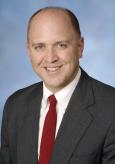
Dr. William Crenshaw, MD
Seattle, WA
Accepting patients
Affiliated with a Castle Connolly Top Hospital
Who is Dr. Crenshaw, Vascular & Interventional Radiologist in Seattle, WA?
Dr. William Crenshaw, MD is a Vascular & Interventional Radiologist, who primarily practices in Seattle, WA with 2 additional practice locations. He is board certified. Dr. Crenshaw completed his residency at Mass Gen Hosp, Vascular & Interventional Radiology; Mass Gen Hosp, Diagnostic Radiology. Dr. Crenshaw is fluent in English and French, and is currently seeing new patients. Dr. Crenshaw’s practice accepts Kaiser Permanente, Medicare and other major insurance plans. To book an appointment or to confirm insurance options, please call Dr. Crenshaw’s office at (206) 520-5000.
Where did Dr. Crenshaw go to medical school and complete their residency?
Residency: Mass Gen Hosp, Vascular & Interventional Radiology; Mass Gen Hosp, Diagnostic Radiology
Medical School: University of Va Sch of Med, Charlottesville Va
Is Dr. Crenshaw board certified as a Vascular & Interventional Radiologist?
Yes, Dr. William Crenshaw, MD is board certified by the American Board of Radiology
What languages does Dr. Crenshaw speak?
Dr. Crenshaw and their clinical team can communicate with patients in the following languages:
English
French
What conditions does a Vascular & Interventional Radiologist like Dr. Crenshaw typically treat?
As a Vascular & Interventional Radiologist, Dr. Crenshaw diagnoses, treats, and manages a wide range of conditions. This condition information is derived from anonymized insurance claims and highlights the medical conditions most commonly treated by Dr. Crenshaw. It provides insight into the doctor’s areas of experience and expertise based on real-world patient encounters from the past two years, updated quarterly. Learn more about our claims-based healthcare methodology.
Also known as:
- Vascular Access Device Management
- Vascular Access Care
- Port Management
- Catheter Care
ICD-10 Codes:
- Z452: Encounter for adjustment and management of vascular access device
Also known as:
- Localized Swollen Lymph Nodes
- Enlarged glands in one area
- Local lymphadenopathy
- Swollen glands
ICD-10 Codes:
- R590: Localized enlarged lymph nodes
Also known as:
- Cancer Spread to Liver and Bile Duct
- Liver Cancer
- Metastatic Liver Cancer
- Secondary Liver Tumor
- Liver Metastasis
ICD-10 Codes:
- C787: Secondary malignant neoplasm of liver and intrahepatic bile duct
Also known as:
- Single Nontoxic Thyroid Nodule
- Thyroid Disease
- Benign Thyroid Nodule
- Solitary Thyroid Nodule
ICD-10 Codes:
- E041: Nontoxic single thyroid nodule
Also known as:
- Single Lung Nodule
- Other Abnormal Findings on Lung Scan
- Lung Disease
- Lung Spot
- Pulmonary Nodule
- Spot on Lung Scan
- Unusual Lung Scan Results
- Atypical Lung Imaging
- Nonspecific Lung Abnormality
ICD-10 Codes:
- R911: Solitary pulmonary nodule
- R918: Other nonspecific abnormal finding of lung field
Also known as:
- Fluid in Abdomen
- Liver Disease
- Ascites
- Abdominal fluid buildup
- Peritoneal fluid
ICD-10 Codes:
- R188: Other ascites
Also known as:
- Other Kidney and Ureter Disorder
- Kidney Disease
- Ureteral Disorder
- Kidney and Ureter Problems
- Renal and Ureteral Disorders
ICD-10 Codes:
- N2889: Other specified disorders of kidney and ureter
What procedures does a Vascular & Interventional Radiologist like Dr. Crenshaw typically perform?
As a Vascular & Interventional Radiologist, Dr. Crenshaw performs a variety of medical procedures. This procedure information is derived from anonymized insurance claims and highlights the medical procedures most commonly performed by Dr. Crenshaw. It provides insight into the doctor’s areas of experience and expertise based on real-world patient encounters from the past two years, updated quarterly. Learn more about our claims-based healthcare methodology.
Also known as:
- Liver Biopsy (Needle)
- Ultrasound-Guided Fine Needle Biopsy
- Lung or Chest Biopsy
- Biopsy
- Ultrasound
- Percutaneous liver biopsy
- Needle liver sample
- Liver tissue biopsy
- Liver needle aspiration
- FNA Biopsy with Ultrasound
- Image-Guided Biopsy
- Fine Needle Aspiration
- First Lesion Biopsy
- Percutaneous lung biopsy
- Mediastinum core needle biopsy
- Image-guided lung biopsy
CPT Codes:
- 47000: Biopsy of liver, needle; percutaneous
- 10005: Fine needle aspiration biopsy, including ultrasound guidance; first lesion
- 32408: Core needle biopsy, lung or mediastinum, percutaneous, including imaging guidance, when performed
Also known as:
- Inserting a Long-Term IV Port (Central Line)
- Tunneled central venous catheter insertion
- Subcutaneous port placement
- Central line with port
CPT Codes:
- 36561: Insertion of tunneled centrally inserted central venous access device, with subcutaneous port; age 5 years or older
Also known as:
- Superficial Lymph Node Needle Biopsy
- Biopsy
- Needle Lymph Node Biopsy
- Cervical Lymph Node Biopsy
- Inguinal Lymph Node Biopsy
- Axillary Lymph Node Biopsy
CPT Codes:
- 38505: Biopsy or excision of lymph node(s); by needle, superficial (eg, cervical, inguinal, axillary)
Also known as:
- Needle Biopsy of Abdominal or Pelvic Mass
- Percutaneous Abdominal Biopsy
- Retroperitoneal Mass Biopsy
- Abdominal Needle Biopsy
CPT Codes:
- 49180: Biopsy, abdominal or retroperitoneal mass, percutaneous needle
Also known as:
- Abdominal Fluid Drainage with Imaging Guidance
- Guided Abdominal Paracentesis
- Ascites Drainage with Ultrasound
- Fluid Removal from Belly
CPT Codes:
- 49083: Abdominal paracentesis (diagnostic or therapeutic); with imaging guidance
Does Dr. Crenshaw accept my insurance?
Dr. Crenshaw accepts most major insurance plans. Important: Please call our office at (206) 520-5000 before your appointment to verify that your specific plan and network are accepted.
What insurance plans does Dr. Crenshaw accept in Seattle, WA?
Dr. Crenshaw in Seattle, WA accepts plans from many carriers. While this list is updated regularly, it is not a guarantee of coverage.
Top Insurances
Blue Cross Blue Shield Association
Cambia Health Solutions
CVS Health (formerly Aetna)
Kaiser Permanente
Medicare
Molina Healthcare
Premera Blue Cross
State of Washington
UnitedHealth Group
Unknown
View All Insurances
Where is Dr. Crenshaw's office located?
Dr. William Crenshaw's Primary Practice
1959 NE Pacific St
Seattle, WA 98195
(206) 520-5000
What is Dr. Crenshaw's NPI number?An National Provider Identifier (NPI) is a unique ID number that identifies doctors and healthcare providers nationwide.
Dr. Crenshaw's National Provider Identifier (NPI) number is 1912971623.
What common questions do patients ask about Dr. Crenshaw?
Here are answers to patients Frequently Asked Questions (FAQ’s) about Dr. Crenshaw
What is Dr. William Crenshaw's specialty?
Dr. Crenshaw is a Vascular & Interventional Radiologist near Seattle, WA.
What does a Vascular & Interventional Radiologist do?
A vascular and interventional radiologist is responsible to diagnose and treat diseases using various imaging modalities, including fluoroscopy, digital radiography, computed tomography, sonography, and magnetic resonance imaging.
Is this Dr. William Crenshaw affiliated with a ranked Castle Connolly Top Hospital?
Yes, Dr. Crenshaw is affiliated with Uw Medical Center - Montlake, Fred Hutchinson Cancer Center which are a Castle Connolly Top Hospitals. Castle Connolly Top Hospitals are healthcare institutions recognized for their excellence in specific medical procedures and overall patient care. They are identified through a rigorous peer nomination process, evaluating factors like patient outcomes, quality of care, and expertise. The list recognizes hospitals that excel in 20 or more specific medical procedures, representing the top 25% nationwide. Castle Connolly Top Hospitals
When to see a Vascular & Interventional Radiologist?: Guides for symptoms, conditions, and treatments
Understand your symptoms and know when it’s time to see a Vascular & Interventional Radiologist. Explore insights from trusted medical experts on EverydayHealth.com, where you'll find the most relevant content and helpful condition guides for up-to date information about symptoms, causes, diagnosis, treatment and more. See all our health guides to find trusted information on medical conditions from our experts at Everyday Health.
Is William Crenshaw accepting new patients in Seattle, WA?
Yes, Dr. William Crenshaw is accepting new patients at this time.
Does Dr. William Crenshaw offer online booking?
Please contact Dr. Crenshaw's office at (206) 520-5000 for information about online booking, telehealth, or to schedule an appointment.
How can I make an appointment with William Crenshaw?
Please contact Dr. Crenshaw's office at (206) 520-5000 for information regarding telehealth appointment availability or for scheduling assistance.
Which board certifications does Dr. William Crenshaw have?
Dr. William Crenshaw is certified by the American Board of Radiology.
Other Vascular & Interventional Radiologist Near Seattle, WA
JC
Vascular & Interventional Radiologist
 Accepting patients
Dr. Jeffrey Forris Chick, MD is a Vascular & Interventional Radiologist, who primarily practices in Seattle, WA with 2 additional practice locations.
Seattle, WA
AJ
Vascular & Interventional Radiologist
Accepting patientsDr. Arthie Jeyakumar is a Vascular & Interventional Radiologist, who primarily practices in Seattle, WA with 2 additional practice locations.
Seattle, WA
JJ
Vascular & Interventional Radiologist
Accepting patientsDr. James Jeffries, MD is a Vascular & Interventional Radiologist, who primarily practices in Seattle, WA with 2 additional practice locations.
Seattle, WA