
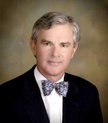
Affiliated with a Castle Connolly Top Hospital
Who is Dr. Mcdonald, Specialist in San Francisco, CA?
Where did Dr. Mcdonald go to medical school and complete their residency?
Fellowship: MEDICAL COLLEGE OF WISCONSIN
Residency: University of Southern California Medical Center, Los Angeles, CA | Medical College of Wisconsin Affiliated Hospitals | USC/LAC-Keck School of Medicine
Medical School: University of California
What languages does Dr. Mcdonald speak?
Dr. Mcdonald and their clinical team can communicate with patients in the following languages:
- English
- Russian
- Spanish
What conditions does a Specialist like Dr. Mcdonald typically treat?
As a Specialist, Dr. Mcdonald diagnoses, treats, and manages a wide range of conditions. This condition information is derived from anonymized insurance claims and highlights the medical conditions most commonly treated by Dr. Mcdonald. It provides insight into the doctor’s areas of experience and expertise based on real-world patient encounters from the past two years, updated quarterly. Learn more about our claims-based healthcare methodology.
Also known as:
- Wet Macular Degeneration
- Macular Degeneration
- Exudative AMD
- Neovascular Macular Degeneration
- Wet AMD
ICD-10 Codes:
- H353231: Exudative age-related macular degeneration, bilateral, with active choroidal neovascularization
- H353211: Exudative age-related macular degeneration, right eye, with active choroidal neovascularization
- H353210: Exudative age-related macular degeneration, right eye, stage unspecified
Also known as:
- Aging of the eye's gel
- Eye Disease
- Vitreous Detachment
- Vitreous syneresis
- Eye gel breakdown
- Vitreous aging
ICD-10 Codes:
- H43813: Vitreous degeneration, bilateral
What procedures does a Specialist like Dr. Mcdonald typically perform?
As a Specialist, Dr. Mcdonald performs a variety of medical procedures. This procedure information is derived from anonymized insurance claims and highlights the medical procedures most commonly performed by Dr. Mcdonald. It provides insight into the doctor’s areas of experience and expertise based on real-world patient encounters from the past two years, updated quarterly. Learn more about our claims-based healthcare methodology.
Also known as:
- Eye Injection
- Intravitreal Injection
- Retinal Injection
- Macular Degeneration Injection
- Eye Medication Injection
CPT Codes:
- 67028: Intravitreal injection of a pharmacologic agent (separate procedure)
Also known as:
- Retinal Detachment Repair with Vitrectomy
- Vitrectomy Eye Surgery
- Vitrectomy for Macular Pucker
- Vitrectomy for retinal detachment
- Retinal reattachment surgery
- Eye surgery for detached retina
- Pars Plana Vitrectomy
- Retinal Surgery
- Eye Gel Removal Surgery
- Retinal Membrane Removal
- Macular Pucker Surgery
CPT Codes:
- 67108: Repair of retinal detachment; with vitrectomy, any method, including, when performed, air or gas tamponade, focal endolaser photocoagulation, cryotherapy, drainage of subretinal fluid, scleral buckling, and/or removal of lens by same technique
- 67036: Vitrectomy, mechanical, pars plana approach;
- 67041: Vitrectomy, mechanical, pars plana approach; with removal of preretinal cellular membrane (eg, macular pucker)
Also known as:
- Retina Repair for Macular Hole or Edema
- Vitrectomy with Membrane Peel
- Macular Hole Repair
- Diabetic Macular Edema Surgery
- Internal Limiting Membrane Removal
CPT Codes:
- 67042: Vitrectomy, mechanical, pars plana approach; with removal of internal limiting membrane of retina (eg, for repair of macular hole, diabetic macular edema), includes, if performed, intraocular tamponade (ie, air, gas or silicone oil)
Also known as:
- Complex Retinal Detachment Repair
- Vitrectomy for Retinal Detachment
- Proliferative Vitreoretinopathy Repair
- Diabetic Retinal Detachment Surgery
CPT Codes:
- 67113: Repair of complex retinal detachment (eg, proliferative vitreoretinopathy, stage C-1 or greater, diabetic traction retinal detachment, retinopathy of prematurity, retinal tear of greater than 90 degrees), with vitrectomy and membrane peeling, including, when performed, air, gas, or silicone oil tamponade, cryotherapy, endolaser photocoagulation, drainage of subretinal fluid, scleral buckling, and/or removal of lens
Also known as:
- Eye Fluid Removal
- Anterior Chamber Paracentesis
- Aqueous Humor Removal
- Eye Pressure Relief Procedure
CPT Codes:
- 65800: Paracentesis of anterior chamber of eye (separate procedure); with removal of aqueous
Does Dr. Mcdonald accept my insurance?
Dr. Mcdonald accepts most major insurance plans. Important: Please call our office at (415) 972-4600 before your appointment to verify that your specific plan and network are accepted.
What insurance plans does Dr. Mcdonald accept in San Francisco, CA?
Dr. Mcdonald in San Francisco, CA accepts plans from many carriers. While this list is updated regularly, it is not a guarantee of coverage.
Top Insurances
Alignment Healthcare
Centene Corporation
Cigna Group
Connective Rx
CVS Health (formerly Aetna)
Health Plan of The Redwoods
North East Medical Services
Other Health Care Provider
The Health Care Group
UnitedHealth Group
View All Insurances
Where is Dr. Mcdonald's office located?
Dr. Richard Mcdonald's Primary Practice
1445 Bush St
San Francisco, CA 94109
(415) 972-4600
What hospitals are Dr. Mcdonald affiliated with?

Castle Connolly Top Hospital
This doctor is affiliated with a Castle Connolly Top Hospital.
Dr. Mcdonald has admitting privileges at the following hospitals:



What is Dr. Mcdonald's NPI number?A National Provider Identifier (NPI) is a unique ID number that identifies doctors and healthcare providers nationwide.
Dr. Mcdonald's National Provider Identifier (NPI) number is 1720056567.
What common questions do patients ask about Dr. Mcdonald?
Here are answers to patients Frequently Asked Questions (FAQ’s) about Dr. Mcdonald