
Affiliated with a Castle Connolly Top Hospital
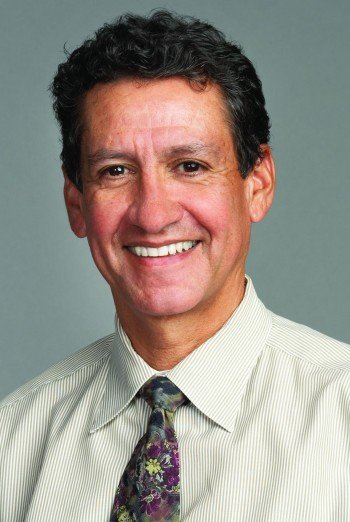
Who is Dr. Esquivel, Surgeon in Palo Alto, CA?
Dr. Carlos Esquivel, MD, PHD is a Surgeon, who primarily practices in Palo Alto, CA with 1 additional practice location. Dr. Esquivel graduated from Universidad de Costa Rica Facultad de Medicina. Dr. Esquivel is fluent in English and Spanish, and is currently seeing new patients. Dr. Esquivel’s practice accepts Aetna, Cigna, UnitedHealthcare and other major insurance plans. To book an appointment or to confirm insurance options, please call Dr. Esquivel’s office at (650) 497-8000.
What are Areas of Expertise for Dr. Esquivel?
Dr. Carlos Esquivel, MD, PHD is a highly-rated, board-certified Surgeon known for expertly diagnosing, treating, and managing a wide array of related conditions and procedures. Utilizing the latest medical advancements and evidence-based practices, Dr. Esquivel empowers patients to confidently navigate their health journey, specializing in Transplant-Liver-Adult & Pediatric, and comprehensive wellness support. Serving the Palo Alto, CA community, Dr. Esquivel is dedicated to enhancing lives through expert, patient-centered care.
Where did Dr. Esquivel go to medical school and complete their residency?
Medical School: University of Costa Rica / Faculty of Medicine | Universidad de Costa Rica Facultad de Medicina
What languages does Dr. Esquivel speak?
Dr. Esquivel and their clinical team can communicate with patients in the following languages:
English
Spanish
What conditions does a Surgeon like Dr. Esquivel typically treat?
As a Surgeon, Dr. Esquivel diagnoses, treats, and manages a wide range of conditions. This condition information is derived from anonymized insurance claims and highlights the medical conditions most commonly treated by Dr. Esquivel. It provides insight into the doctor’s areas of experience and expertise based on real-world patient encounters from the past two years, updated quarterly. Learn more about our claims-based healthcare methodology.
Also known as:
- Having a Kidney Transplant
- Kidney Transplantation
- Kidney Transplant
- Renal transplant
- Kidney replacement surgery
- Post-kidney transplant
ICD-10 Codes:
- Z940: Kidney transplant status
Also known as:
- Liver Transplant Aftercare
- Liver Transplantation
- Liver Transplant
- Post-liver transplant care
- Liver recipient follow-up
- Liver transplant recovery
ICD-10 Codes:
- Z4823: Encounter for aftercare following liver transplant
Also known as:
- Liver Transplant
- Liver Transplantation
- Hepatic Transplant
- Liver Graft
- New Liver
ICD-10 Codes:
- Z944: Liver transplant status
Also known as:
- Kidney Transplant Aftercare
- Kidney Transplantation
- Post-kidney transplant care
- Kidney transplant follow-up
- Renal transplant recovery
ICD-10 Codes:
- Z4822: Encounter for aftercare following kidney transplant
What procedures does a Surgeon like Dr. Esquivel typically perform?
As a Surgeon, procedures performed by Dr. Carlos Esquivel may include:
- Abdominal Wall Reconstruction
- Amputation
- Appendicitis / Appendectomy
- Brain Aneurysm Treatment
- Brain Surgery
- Brain Tumor Evaluation
- Central Line Placement
- Cerebral Shunt
Please contact Dr. Esquivel's office directly to confirm care for your specific procedure, for more information, or to schedule a consultation.
Does Dr. Esquivel accept my insurance?
Dr. Esquivel accepts most major insurance plans. Important: Please call our office at (650) 497-8000 before your appointment to verify that your specific plan and network are accepted.
What insurance plans does Dr. Esquivel accept in Palo Alto, CA?
Dr. Esquivel in Palo Alto, CA accepts plans from many carriers. While this list is updated regularly, it is not a guarantee of coverage.
Top Insurances
Aetna
All Other Third Party
Blue Cross Blue Shield
Blue Cross Blue Shield of Illinois
Blue Cross Blue Shield of Michigan
California Water Service Group
Capital Blue Cross
Cigna
Elevance Health Inc. (formerly Anthem)
Harvard Pilgrim
View All Insurances
Where is Dr. Esquivel's office located?
Recognitions
Publications
PI3K Inhibition Augments the Efficacy of Rapamycin in Suppressing Proliferation of Epstein
, 2013
Syk-Induced Phosphatidylinositol
, 2013
Current options for magement of biliary atresia
, 2013
Liver transplantation for urea cycle disorders in pediatric patients: A single-center experience
, 2013
Geographical Rural Status and Health Outcomes in Pediatric Liver Transplantation
, 2013
The impact of hepatic portoenterostomy on liver transplantation
, 2012
Grafts too big or too small: Business as usual in pediatric liver transplantation
, 2012
Emerging therapeutic strategies for Epstein-Barr virus+ post
, 2012
A Common Peripheral Blood Gene Set for Diagnosis of Operatiol Tolerance in Pediatric
, 2012
Changes in tural killer cell subsets in pediatric liver transplant recipients
, 2012
Liver Transplantation With Dotion After Cardiac Death A Treacherous Field!
, 2011
Effects of rural status on health outcomes in pediatric liver transplantation
, 2011
Toll-Like Receptor 4 Contributes to Small Intestine Allograft Rejection
, 2010
Alysis of clinical variables associated with tolerance in pediatric liver transplant recipients
, 2010
A review of abdomil organ transplantation in cystic fibrosis
, 2010
Expression of Soluble HLA-G Identifies Favorable Outcomes in Liver Transplant Recipients
, 2010
Acute Rejection of Small Intestine Allografts Is Associated With Increased Expression of Toll
, 2010
Biliary Complications Following Liver Transplantation
, 2010
Liver Transplantation: Where We Are and Where We Are Heading
, 2010
Long-term outcome following pediatric liver transplantation for metabolic disorders
, 2010
Induced Tolerance to Rat Liver Allografts Involves the Apoptosis of Intragraft T Cells
, 2010
Acute Liver Failure at 26 Weeks' Gestation in a Patient with Sickle Cell Disease
, 2009
Clinical models of tolerance induction in pediatric transplantation
, 2009
Transarterial Chemoinfusion for Hepatocellular Carcinoma as Downstaging Therapy
, 2009
Decreases in circulating CD4(+)CD25(hi)FOXP3(+) cells
, 2009
SIR 2008 annual meeting film panel case: Alagille syndrome
, 2008
Factors affecting survival to intestil transplantation in the very young pediatric patient
, 2008
Non-adherence to post-transplant care
, 2008
Alloimmunization to red blood cell antigens affects clinical outcomes in liver transplant patients
, 2007
Mutations to bid cleavage sites protect hepatocytes from apoptosis after ischemia
, 2007
Liver allografts are toleragenic in rats conditioned with posttransplant total lymphoid irradiation
, 2007
Outcomes of transplantation in children with primary hepatic maligncy
, 2007
EBV can protect latently infected B cell lymphomas from death receptor-induced apoptosis
, 2006
Pediatric intestil transplantation at Packard children's hospital
, 2006
Adolescent non-adherence: Prevalence and consequences in liver transplant recipients
, 2006
Improved pain magement in pediatric postoperative liver transplant patients using parental
, 2006
Keratins as susceptibility genes for end-stage liver disease
, 2005
IFN-gamma, produced by NK cells that infiltrate liver allografts early after transplantation
, 2005
Complete immunosuppressive withdrawal as a uniform approach to post
, 2004
One hundred percent patient and kidney allograft survival with simultaneous liver and kidney
, 2003
Identification of Epstein-Barr virus-specific CD8
, 2002
Thirteen years' experience in pediatric liver transplantation
, 2002
Liver transplantation for fulmint hepatitis at Stanford University
, 2002
Epstein-Barr virus infection is associated with endothelial bcl
, 2002
Resistance to Fas-mediated apoptosis in EBV
, 2001
Apoptosis and allograft rejection in the absence of CD8(+) T cells
, 2001
Mortality rate correlated with the number of pediatric liver transplants performed at a center
, 2001
Center experience in liver transplantation for hepatocellular carcinoma associated with cirrhosis
, 2001
Orthotopic liver transplantation for carcinoid tumour metastatic to the liver: anesthetic magement
, 2000
Radiolabeled annexin V imaging
, 2000
Significance of detecting Epstein-Barr
, 2000
Major hepatic resection without blood transfusion: Experience with total vascular exclusion
, 1999
Does Asian race affect hepatitis B virus recurrence or survival following liver transplantation
, 1999
Resection versus transplantation for hepatocellular carcinoma
, 1999
Effect of intraoperative blood transfusion on patient outcome in hepatic transplantation
, 1999
Increased dosage requirement
, 1998
CD30 expression identifies a functiol alloreactive human T-lymphocyte subset
, 1998
Effect of cyclosporine and tacrolimus on the growth of Epstein-Barr virus-transformed B-cell lines
, 1998
Allograft rejection after liver transplantation for autoimmune liver diseases
, 1998
CD8(+) cells are not necessary for allograft rejection or the induction of apoptosis in an
, 1998
Human hepatocytes produce an isoform of Fas that inhibits apoptosis
, 1998
Current status of living-related liver transplantation.
, 1998
Experience with the piggyback technique without caval occlusion
, 1998
New approaches to supporting the failing liver
, 1998
Liver transplantation at Stanford University Medical Center.
, 1998
Cholic acid synthesis is reduced
, 1997
Neurodevelopmental outcome of young children with extrahepatic biliary atresia 1 year after liver
, 1997
Transjugular intrahepatic portosystemic shunt placement in a child complicated by perforated Roux
, 1997
Current status and outcome of pediatric liver transplantation.
, 1997
Factors affecting survival after orthotopic liver transplantation in infants
, 1997
Emergency transjugular intrahepatic portosystemic shunt (TIPS) in an infant: A case report
, 1997
Liver transplantation from non-heart beating donors in rats
, 1997
Liver transplantation in Asian patients with chronic hepatitis B
, 1997
Rapid development of hepatocellular siderosis after liver transplantation
, 1996
Primary liver transplantation without transfusion of red blood cells
, 1996
Orthotopic liver transplantation for hepatocellular carcinoma - Factors affecting long
, 1996
Continuous venovenous hemofiltration with dialysis in combition with total hepatectomy
, 1996
Cyclosporine and tacrolimus both suppress activation of kupffer cells in vitro
, 1996
Oral tacrolimus (FK506) induction therapy in pediatric orthotopic liver transplantation
, 1996
Expression of cytokines and immune mediators during chronic liver allograft rejection
, 1995
A REASSESSMENT OF ABO INCOMPATIBILITY IN PEDIATRIC LIVER-TRANSPLANTATION
, 1995
EFFECTS OF PENTOXIFYLLINE PRETREATMENT ON KUPFFER CELLS IN RAT-LIVER TRANSPLANTATION
, 1995
AN INCREASED INCIDENCE OF EPSTEIN-BARR
, 1995
ACUTE LIVER ALLOGRAFT-REJECTION IN THE RAT - AN ALYSIS OF THE IMMUNE RESPONSE
, 1995
MODIFICATION OF REJECTION BY POLYETHYLENE-GLYCOL SMALL-BOWEL TRANSPLANTATION
, 1994
What is Dr. Esquivel's NPI number?An National Provider Identifier (NPI) is a unique ID number that identifies doctors and healthcare providers nationwide.
Dr. Esquivel's National Provider Identifier (NPI) number is 1942343504.
What common questions do patients ask about Dr. Esquivel?
Here are answers to patients Frequently Asked Questions (FAQ’s) about Dr. Esquivel
What is Dr. Carlos Esquivel's specialty?
Dr. Esquivel is a Surgeon near Palo Alto, CA.
What does a Surgeon do?
General surgeons are experts in diagnosing and managing surgical conditions which includes preoperative, operative, and postoperative care, as well as addressing complications. Their expertise include the areas such as the alimentary tract, breast, abdomen, skin and soft tissue, endocrine system, head and neck, pediatric surgery, surgical critical care, surgical oncology, trauma, burns, and vascular surgery. General surgeons increasingly utilize minimally invasive and endoscopic techniques to provide proper care. In addition to this, many general surgeons have expertise in transplantation, plastic, and cardiothoracic surgery.
Is this Dr. Carlos Esquivel affiliated with a ranked Castle Connolly Top Hospital?
Yes, Dr. Esquivel is affiliated with Stanford Health Care - Stanford Hospital which is a Castle Connolly Top Hospital. Castle Connolly Top Hospitals are healthcare institutions recognized for their excellence in specific medical procedures and overall patient care. They are identified through a rigorous peer nomination process, evaluating factors like patient outcomes, quality of care, and expertise. The list recognizes hospitals that excel in 20 or more specific medical procedures, representing the top 25% nationwide. Castle Connolly Top Hospitals
When to see a Surgeon?: Guides for symptoms, conditions, and treatments
Understand your symptoms and know when it’s time to see a Surgeon. Explore insights from trusted medical experts on EverydayHealth.com, where you'll find the most relevant content and helpful condition guides for up-to date information about symptoms, causes, diagnosis, treatment and more. See all our health guides to find trusted information on medical conditions from our experts at Everyday Health.
Is Carlos Esquivel accepting new patients in Palo Alto, CA?
Yes, Dr. Carlos Esquivel is accepting new patients at this time.
Does Dr. Carlos Esquivel offer online booking?
Please contact Dr. Esquivel's office at (650) 497-8000 for information about online booking, telehealth, or to schedule an appointment.
How can I make an appointment with Carlos Esquivel?
Please contact Dr. Esquivel's office at (650) 497-8000 for information regarding telehealth appointment availability or for scheduling assistance.
Other Surgeon Near Palo Alto, CA
Surgeon
 Accepting patients
Surgeon
Accepting patients
Thoracic Surgeon
Accepting patients